
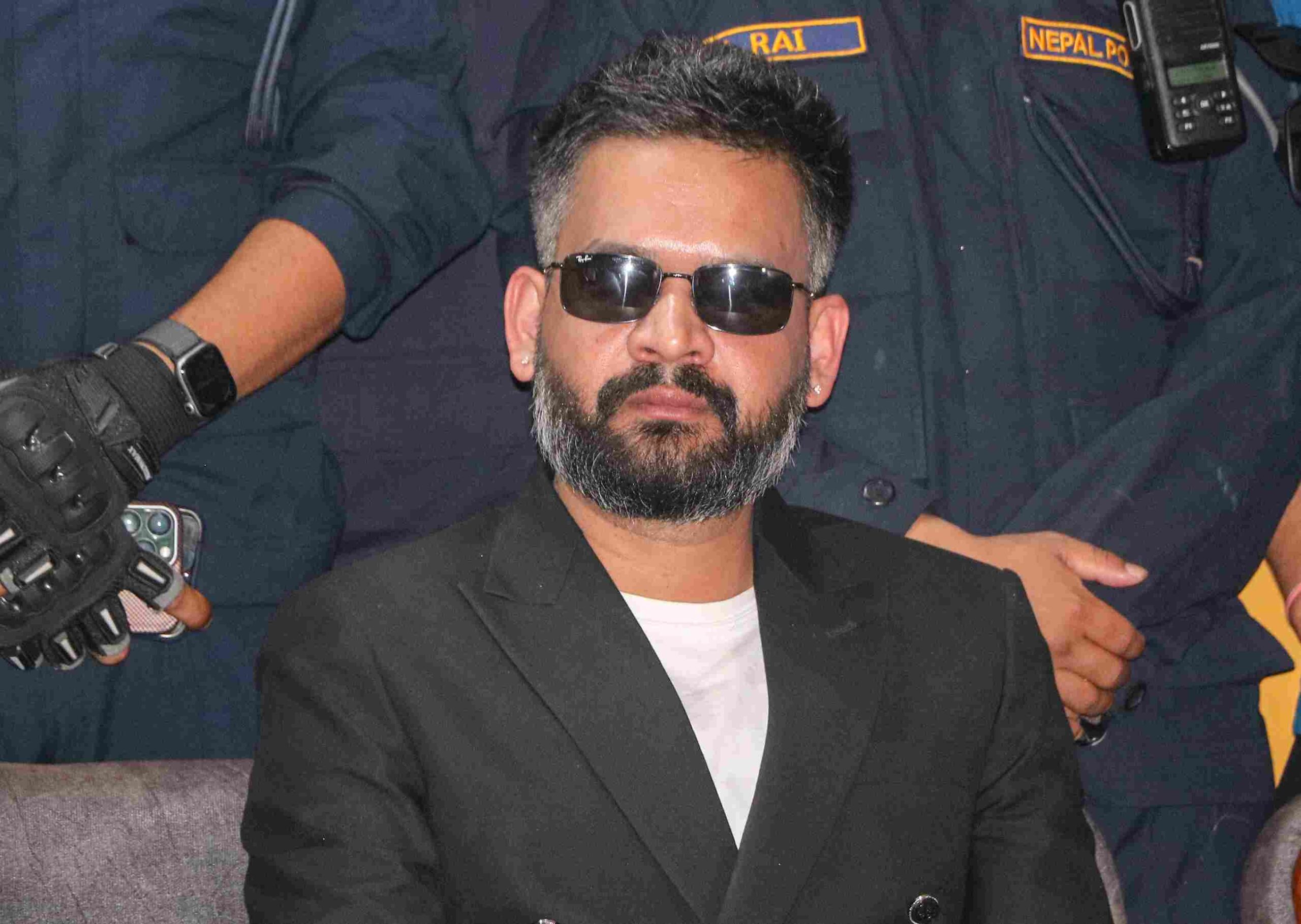
In a surprising turn of events, Rapper-turned-politician Balendra Shah has beaten former Nepalese Prime Minister KP Sharma Oli in his own parliamentary constituency, bringing him a step closer to becoming the next Prime Minister of Nepal, the country’s Election Commission announced.
Shah, 35, polled 68,348 votes against 18,734 votes polled by his rival Oli in the landmark general elections held on Thursday, the first since large-scale youth-led protests ousted the previous government in September.
In the landmark general elections held on Thursday, the first since large-scale youth-led protests ousted the previous government in September, new political leaders are emerging to the fore as the country’s youth vote is being courted by new politicians against the old guard in the Himalayan nation.
Shah’s Rastriya Swatantra Party (RSP) seems likely to perform well in the national election.
Official election results released on Sunday show Shah in the lead in directly elected contests and likely en route to a big majority. Official election data also shows Shah in front in the proportional representation count.
For more than two decades, a small circle of parties, including two main Communist parties, has controlled Nepal’s politics, leading to coalition governments that are precarious at best.
Observers say this election was seen as a test of whether a younger generation could break into politics and wrest power from the established elite into a new generation of leaders.
Some 800,000 citizens voted in this election for the first time, a critical demographic in any election.
Shah, also known by his stage name Balen, is a prominent figure in Nepal’s hip-hop culture.
Read Also: Young Voters Propel Rapper Toward Nepal Leadership
His music video “Balidan,” in which he discusses sacrifice, has managed to garner millions of views on YouTube.
He rose to prominence during the September 2025 protests, which were sparked by the government’s decision to impose restrictions on social media platforms in the country, headed by Oli’s administration.
During this time, the protesters, mostly consisting of young citizens of Nepal, expressed their discontent with the political system in the country and raised concerns regarding inequality in society, such as the political families’ control over the state.
As per a BBC investigation, a total of 77 people died during this protest, as the police were ordered to use lethal force against the protesters, who were largely unarmed.
During this time, Shah sided with the protesters and called Oli a “terrorist” who had “betrayed” the nation.
Although Shah prefers to avoid engaging with the media, during his campaign, in an interview with the Financial Times, he expressed his intention to be “the candidate for all of Nepal.”
RSP launched its party manifesto in February, focusing on economic development and social reforms.
In the party’s manifesto, RSP promised to generate 1.2 million jobs, curb forced migration, and increase Nepal’s per capita income to $3,000 from the current $1,447 within the next five years.
RSP has also promised to increase health insurance coverage and raise Nepal’s gross domestic product to $100 billion.
These policies aim to address the general discontent among Nepali youth over unemployment, wages, and job opportunities within the country.
Read Also: Nepal Votes In Post-Protest Election, RSP Favoured To Lead
Shah’s election to the Nepali parliament from his home constituency marks a departure from the traditional Nepali political tradition that has seen leadership change hands among a select group of leaders.
The election occurs after a series of political uprisings in Nepal.
In September, young activists and students protesting on social media sparked a wave of nationwide protests against the government of Oli.
The protests began as a reaction to the social media ban. However, the protests expanded to include a wide range of issues related to the government.
The protesters have adopted the term “Nepo Babies” to describe the children of prominent politicians in Nepal.
Shah’s RSP has not yet announced the final results.
However, the trends indicate that the RSP will change the political landscape of the country. Analysts argue that the emergence of a government formed by the RSP will be a major generational change in the political scene of Nepal.