
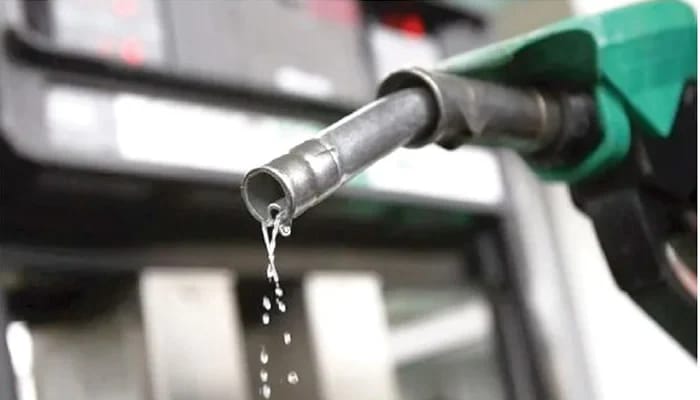
Nigeria’s largest refinery slashed fuel prices Tuesday after crude oil dropped below $90 a barrel for the first time since fighting erupted in the Middle East, offering relief to consumers who had absorbed three consecutive increases in two weeks as the conflict pushed global energy costs higher.
Dangote Petroleum Refinery cut petrol to ₦1,075 per litre from ₦1,175, a ₦100 reduction that reversed part of the spike triggered when American and Israeli strikes on Iran sent Brent crude climbing toward $120. Diesel fell ₦190 to ₦1,430 per litre, the company said.
Anthony Chiejina, chief communications officer for Dangote Group, said coastal distribution would sell at ₦1,050 per litre, down ₦122 from previous rates.
The adjustments track international benchmarks that have eased as President Donald Trump declared the campaign against Iran “very complete, pretty much.”
“As responsible corporate citizens operating in a high-governance code and ethical environment, we believe it is imperative to reduce the price of our products as a reflection of the decline in global crude oil prices,” the refinery said in a statement.
The reversal came one day after the facility had raised petrol to ₦1,175, the third increase since March 2 when it sold for ₦874 per litre. That rapid escalation mirrored crude market panic as Iran retaliated for the killing of Supreme Leader Ayatollah Ali Khamenei with missile and drone strikes across Gulf states hosting critical energy infrastructure.
Read also: Dangote Raises Petrol To N1,175 As Iran War Hits Nigeria
Trump told CBS News by phone that Iran had been stripped of military capability. “If you look, they have nothing left. There’s nothing left in a military sense,” he said, claiming the United States was “very far” ahead of his initial four-to-five-week timeline for operations.
At a Florida news conference, he said fighting would “be ended soon, and if it starts up again, they’ll be hit even harder.” Asked whether resolution would take days or weeks, he replied: “I think soon. Very soon.”
But Trump also threatened what he called an attack of “incalculable” size if Tehran blocks oil shipments through the Strait of Hormuz, the chokepoint carrying one-fifth of global supplies. That warning, combined with his recent statement that only Iran’s “unconditional surrender” would be acceptable, has kept markets volatile despite his optimistic military assessments.
Oil marketers cautioned Nigerians that prices could still climb toward ₦1,500 per litre if fighting continues or escalates, even as Tuesday’s reduction provided temporary respite.
Dr. Billy Gillis-Harry, national president of the Petroleum Products Retail Outlets Owners Association of Nigeria, said product availability mattered more than cost at a moment when supply disruptions threatened energy security. He described the Dangote facility as “the salvation for us due to the consistent source of product.”
“The availability of product is much more important than pricing,” Gillis-Harry said on Channels Television. “It is better for us to have the product available, be able to do our business, and get some level of energy security than not having it.”
Read more: Dangote Industrial Expansion Eyes Steel, Energy, Ports
His comments reflected anxiety that Nigeria’s dependence on imported refined products had left it exposed to price shocks from distant conflicts. The Dangote refinery, which began commercial operations in recent months with capacity to produce 650,000 barrels daily, represents the country’s first major domestic refining capacity in years.
David Bird, the facility’s chief executive, said last week the refinery was not immune to global shocks because it procures crude at international benchmarks. All crude supplies are priced at global rates plus a $3 to $6 premium, with foreign exchange paid at prevailing market rates without subsidy, the company said Tuesday.
“For the avoidance of doubt, the crude supplied under the Naira-for-Crude arrangement is priced according to the global benchmark price plus a premium which is then converted to naira using the prevailing market exchange rate,” the statement added.
Nigeria had negotiated arrangements for the refinery to purchase domestic crude in naira rather than dollars, an effort to reduce pressure on foreign exchange reserves and stabilize costs.
But the mechanism still ties pricing to international markets, meaning Middle East turmoil directly affects what Nigerians pay at the pump.
The ₦100 reduction brings petrol below levels reached during the sharpest spike but leaves prices well above where they stood before fighting began. Nigerians earning minimum wage of ₦70,000 monthly face transport costs consuming growing shares of income as fuel fluctuates.
Whether Tuesday’s cut holds or reverses again depends partly on how quickly the Middle East conflict resolves and whether disruptions to Strait of Hormuz traffic materialize. Insurance costs for tankers transiting the waterway have climbed, and any sustained closure would send crude prices spiking regardless of Trump’s military progress claims.
Gillis-Harry’s warning that ₦1,500 per litre “is not far-fetched” suggests marketers expect volatility to continue even if active combat winds down. He urged Nigerians not to panic over price swings, framing steady supply as more critical than stable costs.
The Dangote refinery said it remains committed to strengthening national energy security “in line with the economic realities faced by Nigerians,” language that acknowledges pressure to balance commercial operations with public expectations that domestic refining would insulate the country from global shocks it cannot control.