
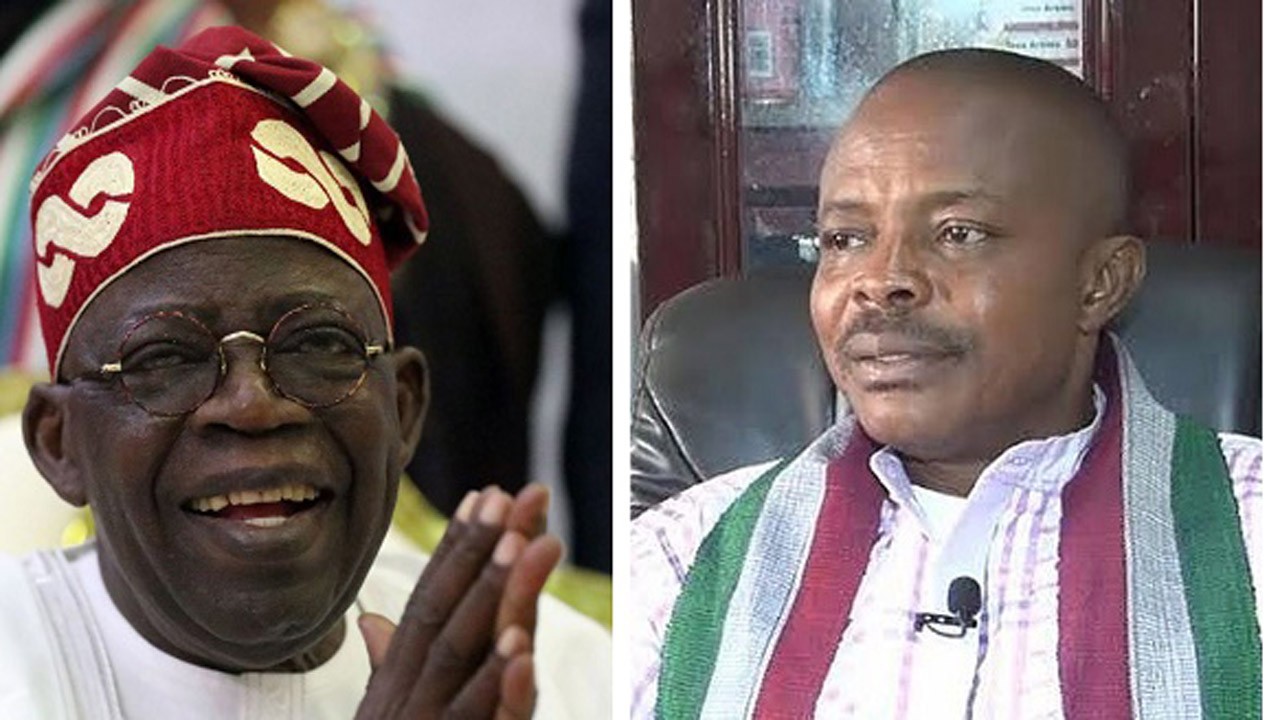
There is something deeply indecent about a government that celebrates wage reform in public while workers still measure reform by a simpler and harsher standard: whether their salaries arrive when they should. That is the real scandal in Nigeria’s labor crisis. Not the speeches. Not the announcements. Not even the latest agitation over a new minimum wage. The scandal is that many workers remain trapped inside old promises—delayed salaries, unpaid wage awards, unpaid promotions, and obligations that continue to mock the dignity of labor—while the Federal Government behaves as though a signed figure on paper is the same thing as justice delivered.
This situation is where the Tinubu administration deserves its severest judgment.
Announcing reform is easy. Any government can sign a law, issue a statement, and congratulate itself. But governance begins where headlines end. The real test is implementation. Can the state pay what it has promised? Can it meet obligations on time? Can it convert policy into something workers can actually live on? That is where this government has looked weak, inconsistent, and far too comfortable with excuses. A salary delay may be dressed up as a technical problem, but to the worker waiting for transport fare, rent money, medicine, or school fees, there is nothing technical about it. Delay is not an abstraction. It is hardship in real time.
And the wider economic setting makes the government’s posture even more offensive. Prices remain punishing. Food inflation has eaten into real incomes. Household budgets are under pressure. In such conditions, the late payment of wages is a serious administrative violation. It is a direct wound to survival. It tells workers exactly where they rank in the moral priorities of the state. A government that cannot reliably pay on time, yet still speaks in the grand language of reform, has crossed into a dangerous form of hypocrisy. The government is asking citizens to admire its policy while it crushes them with its poor execution.
That is the Tinubu pattern now visible across too many fronts. This administration announces before it prepares. It proclaims before it implements. It speaks of correction, sacrifice, and discipline but too often fails to build the administrative seriousness that would make such sacrifice honorable rather than humiliating. Whether the issue is wages, subsidy pain, or the wider economy, the same habit returns: ordinary Nigerians are asked to endure suffering in the name of reform, while the state behaves as though delivery is an optional second act. That is not reform. It is extraction disguised as seriousness.
Still, fairness demands that labor also be addressed with honesty.
Joe Ajaero deserves respect. He is clearly trying. He has kept labor visible in a climate where silence would amount to betrayal. He has publicly voiced the concerns of workers whose dignity inflation, delayed implementation, and government evasiveness steadily erode. This is significant, and it deserves clear acknowledgment. But respect is not the same as exemption from criticism. The Nigeria Labour Congress must now do more than speak forcefully. It must act more strategically.
This is precisely why the complaint now coming from federal government workers deserves serious attention. Many of them are openly questioning the wisdom of pushing for an increase in the minimum wage from ₦70,000 to ₦154,000 when, in their experience, the existing ₦70,000 wage has not yet been fully implemented. Their argument is simple, practical, and morally difficult to dismiss: before labor raises fresh demands, it should first compel the government to honor the one already on the table. They are also accusing the Labour Congress of not paying enough attention to the immediate distress many federal workers are facing, including failed salary payments for December, January, and February, as well as unpaid promotions and unresolved wage awards. That criticism is not frivolous. This issue directly impacts credibility.
Read also: Minimum Wage: FG Begs For Time As Strike Begins Tomorrow
The immediate problem, then, is one of sequence. Arguing that inflation has already weakened the current minimum wage may be economically reasonable. It may also be reasonable to demand a more realistic figure. However, labor undermines its own position when it seems more adept at future demands than at current enforcement. Workers do not live in negotiation rooms. They live in rent cycles, transport expenses, food prices, school-fee deadlines, and household emergencies. Before the argument moves too far upward toward larger numbers, the unresolved obligations below must be forced into compliance. Salaries already owed must be paid. Wage awards already promised must be honored. Promotion arrears already earned must be settled. Anything less creates the painful impression that labor is managing headlines while workers manage hunger.
This is where Ajaero must step up.
Respectfully, but firmly, he should invest more in training, institutional discipline, and strategic collaboration. The labor movement needs deeper technical capacity, stronger negotiation architecture, and more sustained partnerships with economists, labor lawyers, policy researchers, and civil-society advocates who can strengthen both its bargaining power and its enforcement strategy. Outrage alone is not enough. Moral clarity is not enough. Labor must become more coordinated, more data-driven, more legally aggressive, and more administratively prepared. Ajaero is trying, yes. But trying is no longer sufficient. He must do more. He must build a labor movement that can not only protest injustice but also out-organize delay, out-negotiate evasion, and outlast the government’s habit of postponing accountability.
Yet the heavier burden still belongs to Tinubu.
This is because the primary issue at hand is governmental, not union-based. A labor movement may overreach, mistime, or missequence its demands. But only the state has the power to make lawful wages real in the lives of workers. Only the government can choose whether promises remain performative or become material. And when that government fails to pay promptly while asking workers for patience, patriotism, and productivity, it forfeits the right to moral grandstanding.
Read more: Philippians 3:10 And The Crisis Of Faithful Living
The way forward is not mysterious. The Federal Government should publish a clear, verifiable schedule for all outstanding wage obligations. It should state what has been paid, what remains unpaid, and where the bottlenecks lie. It should stop hiding behind vague administrative language and begin treating workers as citizens rather than spectators. Labor, in turn, should reset its priorities toward enforcement, training, alliances, and strategic capacity-building. Nigeria does not need another performance of concern. Nigeria requires a government that fulfills its promises and a labor movement robust enough to prevent any delay in fulfilling those commitments.
Because the most important truth in this whole dispute is also the simplest: a wage that survives only on paper is no wage at all. It is a press release. And a government that keeps workers waiting while congratulating itself for reform is not governing with dignity. It is governing with contempt.
Selected Sources
Ani, E. (2026, March 2). FG commences payment of February salary, blames technical glitch for delay. TheCable.
Central Bank of Nigeria. (2026, February). Inflation rate report. Central Bank of Nigeria.
International Labour Organization. (2022). Global wage report 2022–23: The impact of inflation and COVID-19 on wages and purchasing power. International Labour Office.
International Labour Organization. (2024). Social dialogue report 2024: Peak-level social dialogue for economic development and social progress. International Labour Office.
National Bureau of Statistics. (2026, February). Consumer price index report. National Bureau of Statistics.
National Minimum Wage (Amendment) Act, 2024.
Olowolagba, F. M. (2026, March 2). Nigerian govt begins February salary payment to workers. Daily Post.
Tolu-Kolawole, D. (2026, March 18). Hardship: Labour pushes N154,000 minimum wage. The Punch.
World Bank. (2024). Nigeria poverty and equity brief. World Bank.
World Bank. (2025). Macro poverty outlook: Country-by-country analysis and projections for the developing world: Nigeria. World Bank.