

Cycle Tracking And The Fertile Window
Pregnancy timing is biology before it becomes anxiety.
Cycle tracking can rescue a couple from guesswork, and it can just as easily become another engine of panic. A calendar app hands over clean colored days, confident and precise, while the body underneath does something else entirely: ovulating late, skipping ovulation, producing confusing mucus, or shifting under the weight of stress, illness, travel, breastfeeding, thyroid disease, or PCOS. The certainty on the screen is not biological proof. It is a prediction dressed up as a fact.
The biology of the fertile window is simple enough to explain and easy enough to misread. Sperm can survive for several days in good cervical mucus, while the egg stays viable for a much shorter stretch after ovulation. ASRM’s guidance on natural fertility defines the fertile window as the six-day interval that ends on the day of ovulation (Penzias et al., 2022). The days before ovulation are what matter most, because sperm need to already be waiting when the egg appears rather than racing to catch up afterward.
Counting cycle days works reasonably well for women whose cycles are fairly regular. In a textbook 28-day cycle, ovulation is often placed near day 14, but that estimate falls apart when a cycle runs 24 days one month and 38 the next. For many women the luteal phase is steadier than the follicular phase, which means a late ovulation usually drags the whole cycle later with it. A woman who always aims for day 14 can miss her own window month after month while doing everything the chart told her to do.
Read also: The Fertility Repair Series—Part 15
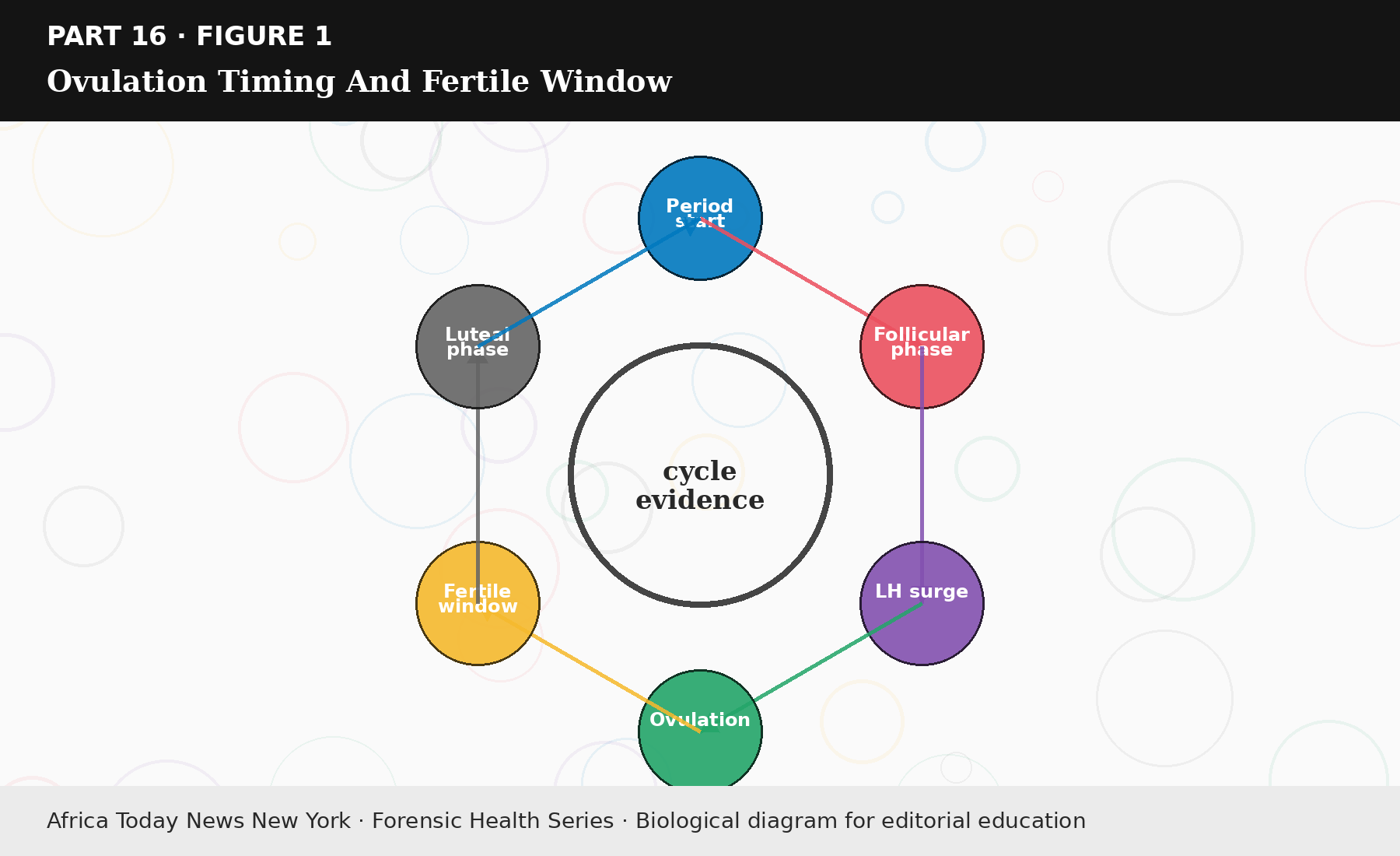
Figure 16.1: Ovulation Timing And Fertile Window.
Cervical mucus is useful precisely because the body produces it in response to its own hormonal state rather than a phone’s assumptions. As estrogen climbs toward ovulation, the mucus tends to turn clearer, stretchier, and more welcoming to sperm; dry or sticky days are usually less fertile, and the slippery, egg-white days often mark the peak. Reading it takes a little privacy, patience, and instruction, but it can keep a woman from surrendering all of her judgment to an algorithm. Ovulation predictor kits add another data point and their own set of traps. A positive suggests a surge of luteinizing hormone, which often comes shortly before ovulation, yet false positives, missed surges, diluted urine, mistimed testing, and the odd LH patterns of PCOS can all muddy the reading. Some women test compulsively and grow more anxious with every strip; others test too late and miss the surge entirely.