
Sex Timing Without Pressure Or Panic
Forced intercourse can destroy the very function it tries to schedule.
It starts with hope. The couple buys the ovulation strips, marks the calendar, and waits for the little smiley face, and for a while the planning feels like teamwork. Then the appointed night arrives and it does not feel like intimacy at all. It feels like an assignment with a deadline. The erection falters, or the body is too dry, or the pelvic pain flares, and someone gets quiet, and another month is lost, not because the biology was mysterious but because sex has been turned into a performance under threat.
The underlying advice is still sound. Intercourse every day or two during the fertile window gives sperm reasonable exposure without demanding one flawless moment, and daily sex is not required for most couples and can backfire when fatigue, pain, or resentment are already in the room. The problem is almost never that couples lack a schedule. It is that the schedule has been allowed to eat everything around it, including the desire it depends on.
Read also: The Fertility Repair Series—Part 16
Men under timed-sex pressure tend to collapse in a particular sequence. The dread begins hours ahead. A drink or two gets used to take the edge off, and the alcohol then dulls the erection it was meant to rescue. A partner’s urgency starts to feel like an examiner leaning over the desk. One failed attempt becomes a remembered injury, and by the next month the man is avoiding the window before it even opens. His body is no longer trying to have sex; it is trying to defend itself against a test it expects to fail.
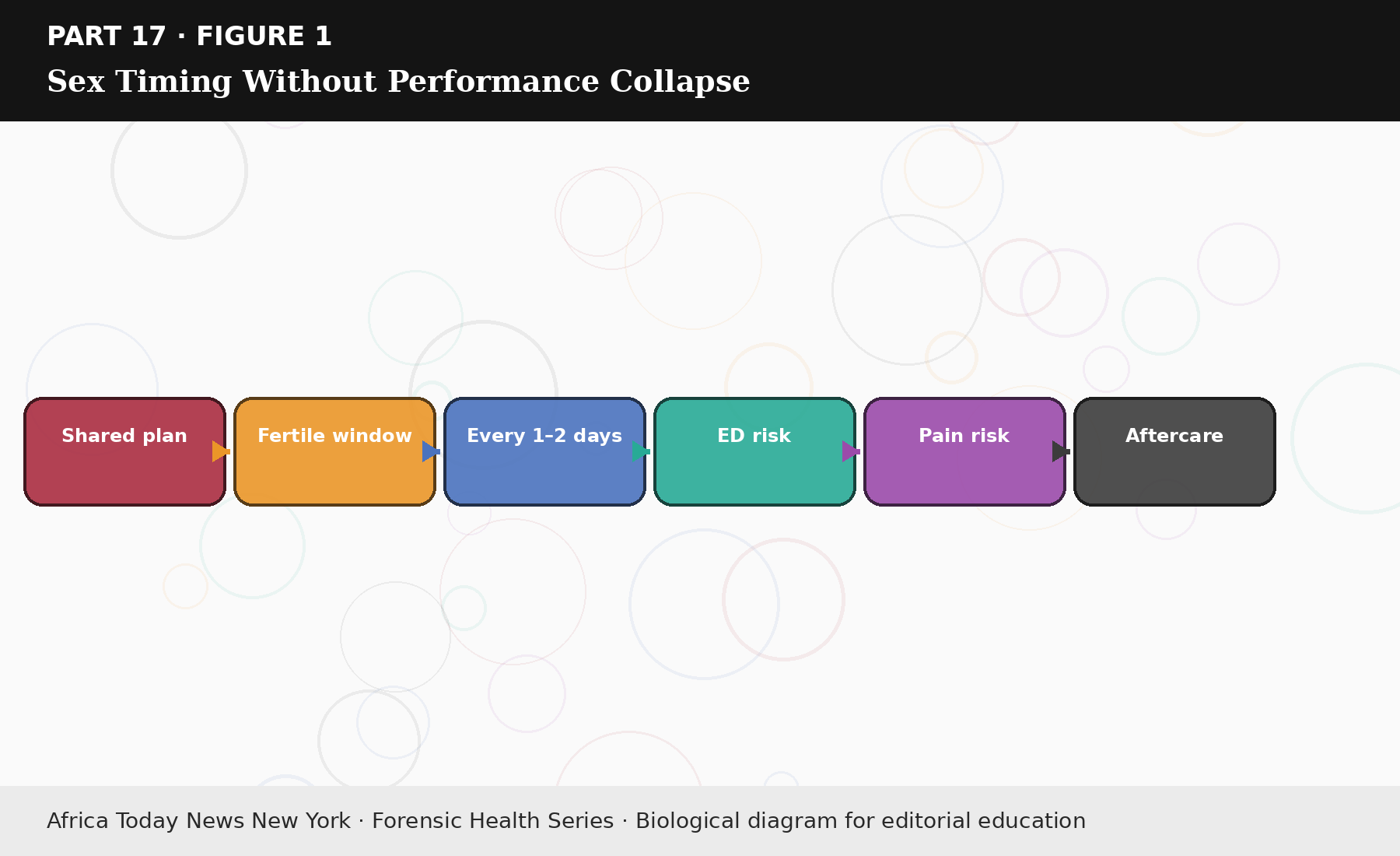
Figure 17.1: Sex Timing Without Performance Collapse.
Women collapse differently under the same pressure. A body that already hurts gets pushed into intercourse because the strip turned positive. Dryness is treated as a minor inconvenience to push through. Emotional readiness is skipped in the interest of timing. Some women endure sex while bracing, and the bracing feeds more pelvic tension and more dread, until the fertile window becomes something to survive rather than share. Timing that requires a woman to grit her teeth is not fertility care; it is coercion wearing the costume of hope, and it tends to make the next attempt worse.
Read more…
Read also: The Fertility Repair Series—Part 15
Lubricant belongs in this conversation, because dryness quietly wrecks both the timing and the sex. Some lubricants can impair sperm, so couples trying to conceive should use products tested as fertility-friendly when they need one, and they should also ask why the dryness is there in the first place. Low arousal, medications, breastfeeding, hormonal change, anxiety, infection, vulvar pain, and rushed foreplay can each be the cause, and a bottle does not answer any of those questions. Ejaculation timing deserves the same plain talk: very frequent ejaculation can lower sperm concentration in some men while long abstinence can raise DNA fragmentation and drop motility in others, which is exactly why the practical middle, every day or two during the window, tends to serve most couples better than either extreme.
Repairing the sexual side has to start before the window opens, not during it. A couple can decide in advance which days matter, how they will handle a failed attempt, how to stop for the night without blame, and how to keep affection alive on the days when nobody is counting. Non-demand touch, kissing, and simple closeness give desire somewhere to live when the test strip is negative, and they keep sex from becoming a summons that arrives only when the calendar says so.
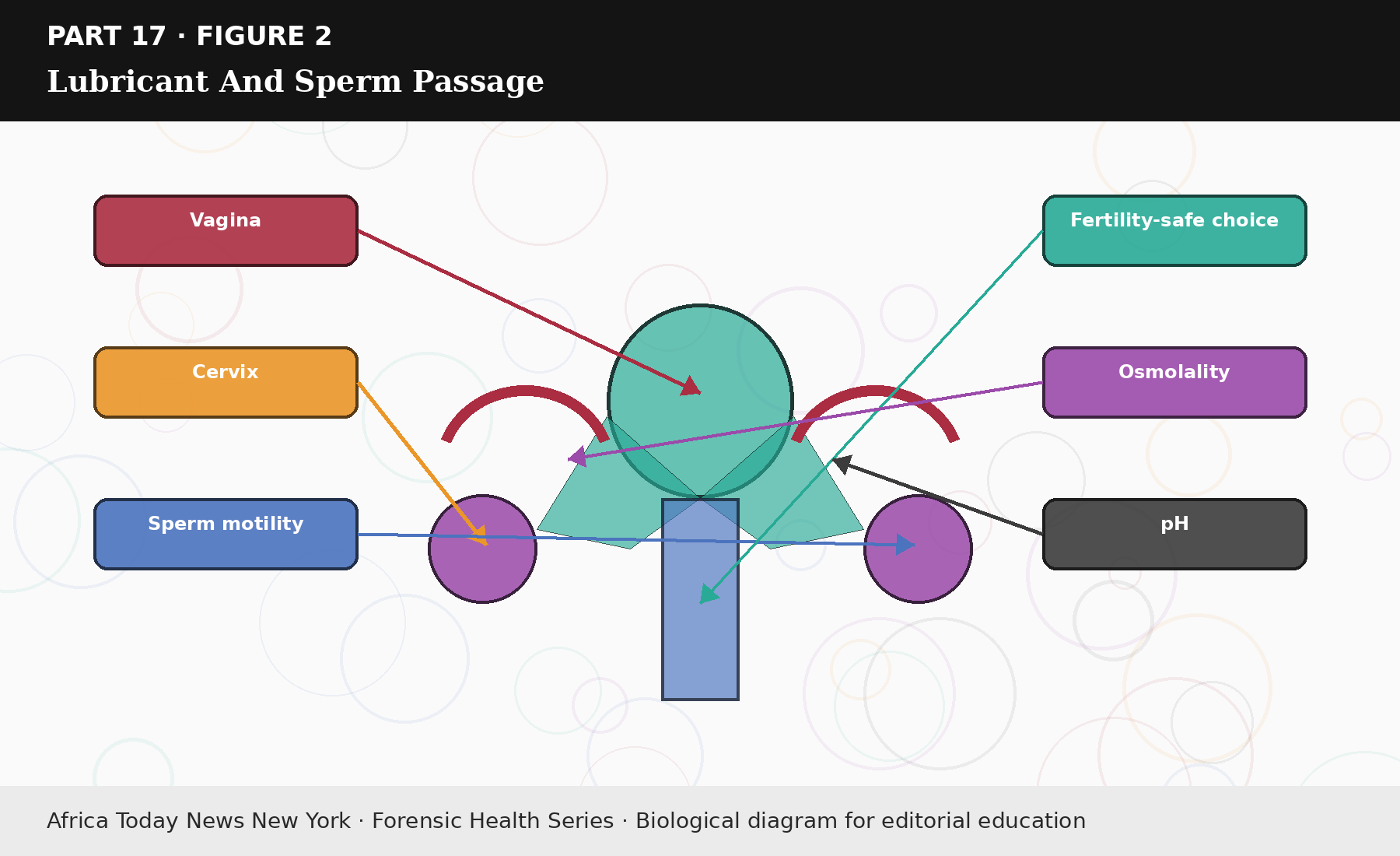
Figure 17.2: Lubricant And Sperm Passage.
Performance anxiety needs language that does not humiliate. A man should be able to say “I feel pressure tonight” without the sentence turning into a marital verdict, and a woman should be able to say “this hurts” without being accused of sabotaging a pregnancy. Couples who cannot manage that plainness usually need counseling more than they need another supplement. And when sex fails in the fertile window again and again, evaluation should come quickly rather than after a year of private failure. Erectile trouble may call for a look at cardiovascular health, glucose, medications, testosterone, or sleep apnea; painful sex may call for a pelvic exam, infection testing, an endometriosis work-up, or pelvic-floor therapy. Repeated failure to complete timed intercourse is not a moral shortcoming. It is an operational problem with causes that can be found.
Culture can make all of this brutal. Families ask when the baby is coming, religious language can reframe fertility as obedience, and friends volunteer positions, herbs, and rituals. Men sometimes withdraw emotionally while women absorb the public questioning, and under that scrutiny a couple can start treating sex as proof of loyalty rather than a shared pleasure. The pressure then damages the very relationship it claims to be protecting. Some of that pressure lifts the moment part of the mystery is moved into evidence: a semen analysis that comes back normal lets a couple stop blaming timing alone, and one that comes back abnormal lets them stop wasting months on it.
Frequency has to bend to real life. Travel, night shifts, illness, childcare, grief, fasting, pain, and erectile trouble all interfere, and a rigid command to perform on demand often yields worse results than a flexible plan that covers the fertile days across several attempts. The aim is coverage, not a theatrical perfect night. A written fertile-window agreement can sound unromantic, but repeated silent failure is far less romantic; setting out which days are targeted, how many attempts are realistic, and what happens if pain or erectile trouble shows up protects affection from turning into an interrogation.
Two quieter threads sometimes belong in the file. For some men, masturbation and pornography patterns matter, not as a moral failing but as sexual conditioning: a man who stays reliably aroused alone yet fails with his partner on fertile days may need a look at anxiety, relational pressure, stimulation habits, and the expectations formed outside partnered sex. Shame keeps that history hidden unless the question is asked without ridicule. After an unsuccessful cycle, a couple should review what happened without staging a trial, checking whether sex landed in the window, whether ejaculation occurred, whether pain or alcohol or erectile trouble intervened, and whether the LH result matched the mucus. That review should be short, factual, and kind, because a postmortem that curdles into accusation only damages the next attempt.
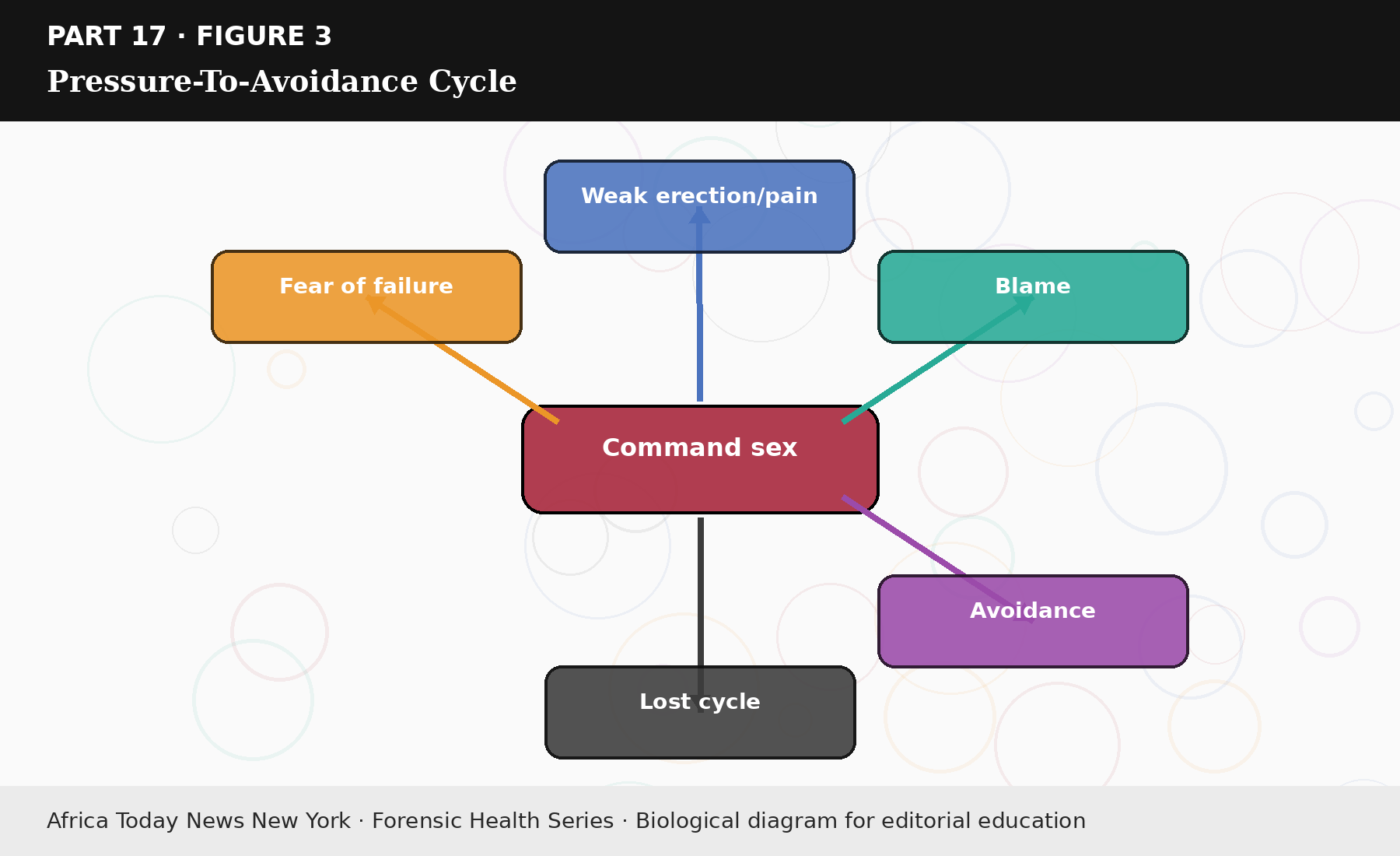
Figure 17.3: Pressure-To-Avoidance Cycle.
None of this means intercourse must carry every burden forever. When sex has become too damaged, pausing timed attempts for a single cycle can be therapeutic, provided medical urgency allows it and the pause is used for evaluation and repair rather than avoidance. Assisted reproduction is not a defeat, either; intrauterine insemination or IVF can protect a relationship by moving the logistics into a clinic instead of forcing intercourse to answer every question. And a few inherited beliefs deserve correction along the way, chief among them the idea that stored semen is always stronger. Semen quality is not a savings account, and extreme withholding can quietly backfire. The through-line is steady: pressure kills function by making the body defend itself, and timing works best when it is accurate enough to guide action and humane enough to keep desire alive.
Source & Clinical Standards
Note: The data, diagnostics, and clinical benchmarks throughout this series are drawn directly from peer-reviewed medical literature, epidemiological data, and established global healthcare consensus. To protect the narrative rhythm of this digital layout, individual article bibliographies have been unified.
A complete master registry—cataloging all underlying source literature, clinical trials, and institutional frameworks (including the WHO, AUA/ASRM, ESHRE, and Princeton IV Consensus)—is compiled in full at the conclusion of the complete volume.