
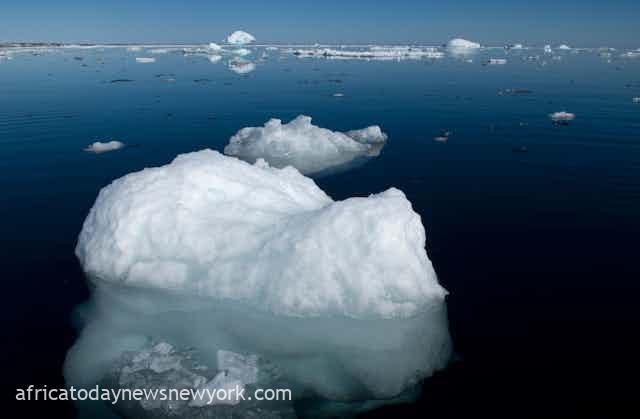
Dozens of leading polar scientists have warned that efforts to fight climate change by artificially manipulating the Arctic and Antarctic environment are dangerous, unworkable, and risk distracting from the urgent need to cut fossil fuel emissions.
The warning comes amid growing interest in “geoengineering” proposals designed to cool the planet through unconventional methods such as artificially thickening sea ice or releasing reflective particles into the atmosphere.
In a new assessment published in Frontiers in Science, over 40 researchers concluded that these polar geoengineering techniques could cause “severe environmental damage” while failing to meet basic feasibility and safety standards. They argue that the only proven path to limit global warming remains achieving net zero emissions.
Geoengineering is one of the most controversial areas of climate science. While removing carbon dioxide from the atmosphere through methods such as reforestation is widely accepted, more radical ideas like injecting aerosols into the atmosphere to reflect sunlight have raised alarm. Critics warn such approaches may disrupt global weather patterns and fuel geopolitical tensions, particularly in poorly governed polar regions.
Professor Martin Siegert of the University of Exeter, the report’s lead author, cautioned that these ideas “deal with the symptoms of climate change rather than the causes.” He warned that promoting them risks creating a false sense of security and delaying decarbonisation efforts.
Read Also: Russian Air Strike Kills 24 Pensioners In Ukraine
Among the proposals evaluated was a plan to pump seawater onto Arctic ice to thicken it during winter. But researchers estimate covering even 10 percent of the Arctic would require 10 million pumps—an impractical and costly undertaking.
Supporters argue that geoengineering research should not be dismissed outright, given the escalating climate crisis. Dr Shaun Fitzgerald of the University of Cambridge’s Centre for Climate Repair said further research could clarify whether such ideas are “helpful or bonkers,” but stressed emissions cuts must remain the top priority.
The UK government has recently announced £60 million for geoengineering research but maintains it has no plans for deployment. Scientists behind the assessment insist resources are better spent on decarbonisation and strengthening polar research.