
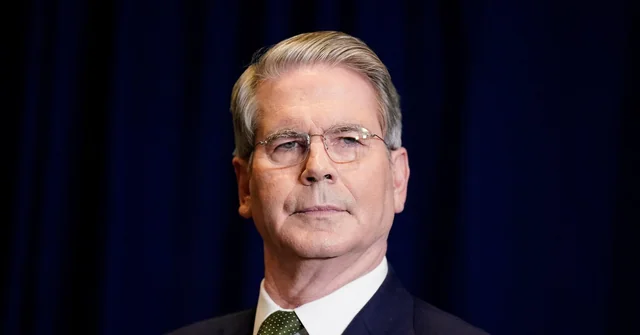
Washington and Buenos Aires are negotiating a potential $20bn currency swap line, part of a sweeping US effort to stabilise Argentina’s fragile economy, Treasury Secretary Scott Bessent announced on September 24 after high-stakes talks between Presidents Donald Trump and Javier Milei in New York.
“Yesterday, President Trump and I spoke extensively with President Milei and his senior team,” Bessent wrote on X. “As President Trump has stated, we stand ready to do what is needed to support Argentina and the Argentine people.”
The Treasury confirmed that US officials are prepared to acquire Argentine sovereign bonds and deploy emergency financing through the Exchange Stabilisation Fund, though terms remain under discussion. Such direct backing of a foreign currency marks a rare departure in US financial diplomacy, reflecting concern that mounting speculation against the peso could derail Milei’s market-oriented reforms.
Trump, speaking after the bilateral meeting at the UN General Assembly, rejected suggestions that Argentina needed a bailout. “We’re gonna help them but I don’t think they need a bailout. He’s doing a fantastic job,” he said, offering what he called his “full endorsement” for Milei’s 2027 re-election campaign.
Read also: Brazil, Argentina Move To Establish Common Currency
The urgency of US support became clear after Argentina’s central bank burned through $1bn in reserves in just 48 hours last week defending the peso’s 1,475-per-dollar ceiling, which the currency briefly breached on September 17.
Financial markets responded swiftly to Washington’s signal. Since Bessent’s first declaration of support on September 22, Argentine bonds due in 2029 jumped from 65 to 71 cents on the dollar, equities in New York surged 12 percent, and JPMorgan’s country risk index tightened by more than 17 percent to about 800 points.
The geopolitical dimension is unmistakable. Bessent described Argentina as a “systemically important” ally at a time when Washington seeks to blunt Beijing’s growing financial role in South America and tensions flare with Brazil’s President Luiz Inácio Lula da Silva.
Yet Argentina’s turbulence is rooted in domestic politics. Milei’s party recently lost heavily in Buenos Aires province, his sister and adviser Karina faces corruption allegations, and rebellious lawmakers have overturned presidential vetoes on spending bills—triggers for capital flight.
To restore confidence, the Milei government suspended export taxes on agricultural goods through month’s end to coax farmers into liquidating stocks at official rates. Meanwhile, the World Bank pledged to fast-track $4bn from its existing $12bn Argentine facility, focusing on infrastructure and extractive projects to bolster export earnings.