
Palestinian Islamic Jihad on Saturday endorsed Hamas’s response to U.S. President Donald Trump’s peace plan for Gaza, a rare show of unity between the two groups that could pave the way for the release of Israeli hostages and an end to the two-year war.
Hamas, which governs Gaza, announced on Friday that it had accepted several key elements of Trump’s proposal, including a ceasefire, Israel’s withdrawal, and a large-scale exchange involving Israeli hostages and Palestinian prisoners. The decision triggered cautious optimism among world leaders, who urged both sides to seize the opportunity for peace.
In a statement, Islamic Jihad — a smaller, Iran-backed faction known for its hardline stance — confirmed its support for Hamas’s move, saying it “participated responsibly in the consultations that led to this decision.” The endorsement could strengthen prospects for implementing the U.S.-brokered plan, which hinges on cooperation among Palestinian factions holding captives.
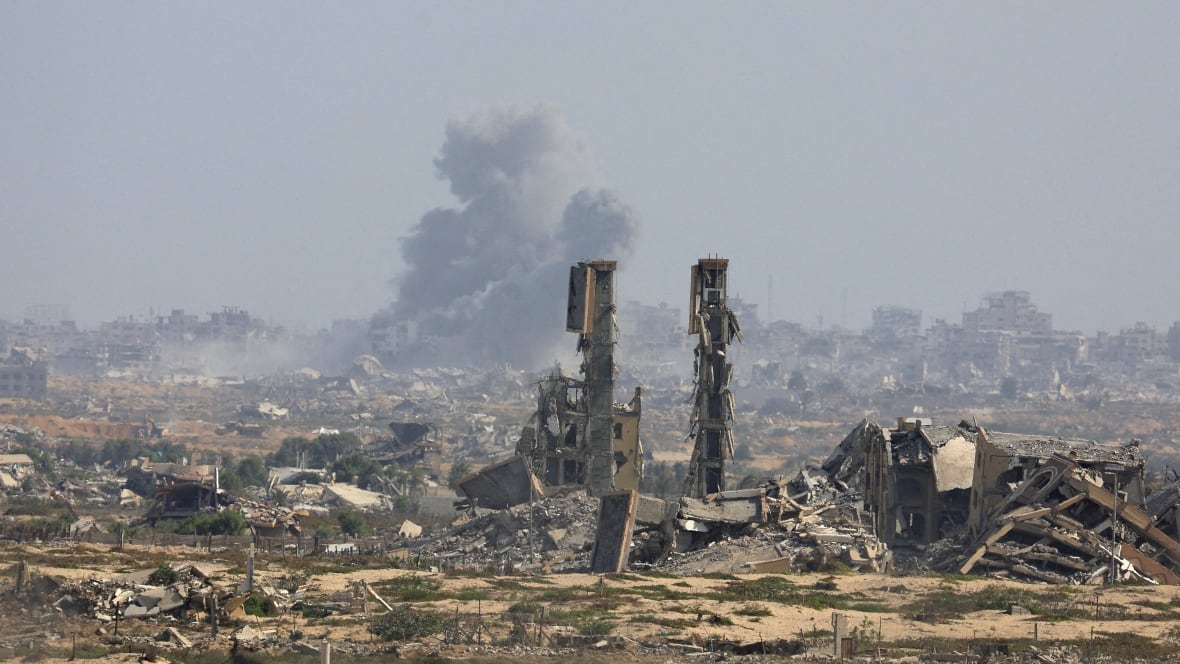
While international reactions poured in, the situation on the ground remained tense. Israeli airstrikes continued across Gaza on Saturday, though residents reported a slight reduction in intensity after Trump called for an immediate halt to bombing. The Gaza Health Ministry said at least 66 Palestinians were killed in the past 24 hours.
Read Also: Hamas Reviews US Ceasefire Ideas After Trump’s ‘Last Warning’
President Trump, who gave Hamas until Sunday to respond or face unspecified consequences, said the group’s acceptance showed it was “ready for a lasting peace.” He urged Israel to stop its bombardment so that “we can get the hostages out safely and quickly.”
Israeli Prime Minister Benjamin Netanyahu’s office said preparations were underway for the “immediate implementation” of the first phase of Trump’s plan, focused on releasing Israeli hostages. Israeli media later reported that military commanders had been instructed to scale back offensive operations in Gaza.
Despite the diplomatic momentum, deep mistrust remains. Some Palestinians expressed fears that Netanyahu’s far-right coalition could still derail the plan. “What is important is that Netanyahu does not sabotage this,” said Jamal Shihada, a Jerusalem resident. “Now that Hamas agreed, Netanyahu will disagree, as he usually does.”
In Gaza and the West Bank, weary civilians viewed the developments as a rare glimmer of hope. “May the suffering lift off the people of Gaza,” said Hebron resident Sharif al-Fakhouri. “Any ray of hope for the oppressed people is a victory.”
Families of Israeli hostages also urged an end to the fighting. “It’s time to end this horrific war and bring every single hostage back home,” said Efrat Machikawa, whose uncle, Gadi Moses, was freed in January. “We’re fed up with the war. We don’t want revenge. We want to concentrate on life.”
Israel’s war in Gaza began after the Hamas-led assault on October 7, 2023, which killed about 1,200 people and resulted in 251 hostages being taken. Israel says 48 remain in captivity, including 20 believed to be alive. Gaza’s Health Ministry reports that more than 67,000 Palestinians, mostly civilians, have been killed in Israel’s retaliatory campaign.
Israel says 48 remain in captivity, including 20 believed to be alive. Gaza’s Health Ministry reports that more than 67,000 Palestinians, mostly civilians, have been killed in Israel’s retaliatory campaign.