
Hidden Chemicals That Disrupt Fertility
Reproductive harm may come from plastic, pesticide, heat, solvent, smoke, and worksite exposure.
Chemical exposure almost never introduces itself as infertility. It arrives as a receipt handled a dozen times a day, a plastic container reheated in the microwave, a pesticide sprayed along the wall by the kitchen, a fragrance put on every morning, a solvent breathed at work, exhaust inhaled in traffic, cosmetics layered onto skin, or heat pressed against the testes through a job or a habit. By the time any of it might matter for a pregnancy, it has already become invisible, folded into a routine no one taught the couple to question.
Endocrine-disrupting chemicals are compounds that interfere with hormone signaling somewhere along the line, whether in production, receptor activity, transport, metabolism, or clearance. Phthalates, bisphenols, PFAS, pesticides, parabens, flame retardants, dioxins, and assorted industrial chemicals keep appearing in the reproductive literature because reproductive tissues depend so completely on hormonal timing and cellular communication. Recent reviews describe associations between this kind of exposure and female reproductive disorders and fertility outcomes, while being honest about the limits of measurement, the difficulty of studying mixtures, and the gap between association and proof (Tricotteaux-Zarqaoui et al., 2024; Tzouma et al., 2025).
Read also: The Fertility Repair Series—Part 18
That honesty about uncertainty is not a reason to do nothing. A couple does not need to prove that one plastic container ruined one cycle to justify reducing an exposure that repeats every single day. Use glass or stainless steel for hot food and liquids. Keep plastic out of the microwave. Cut back on unnecessary fragrance, wash produce, open a window, wear protective gear at work, and store chemicals away from where people sleep and eat. The reductions are small individually, and they matter precisely because the exposure is cumulative rather than dramatic.
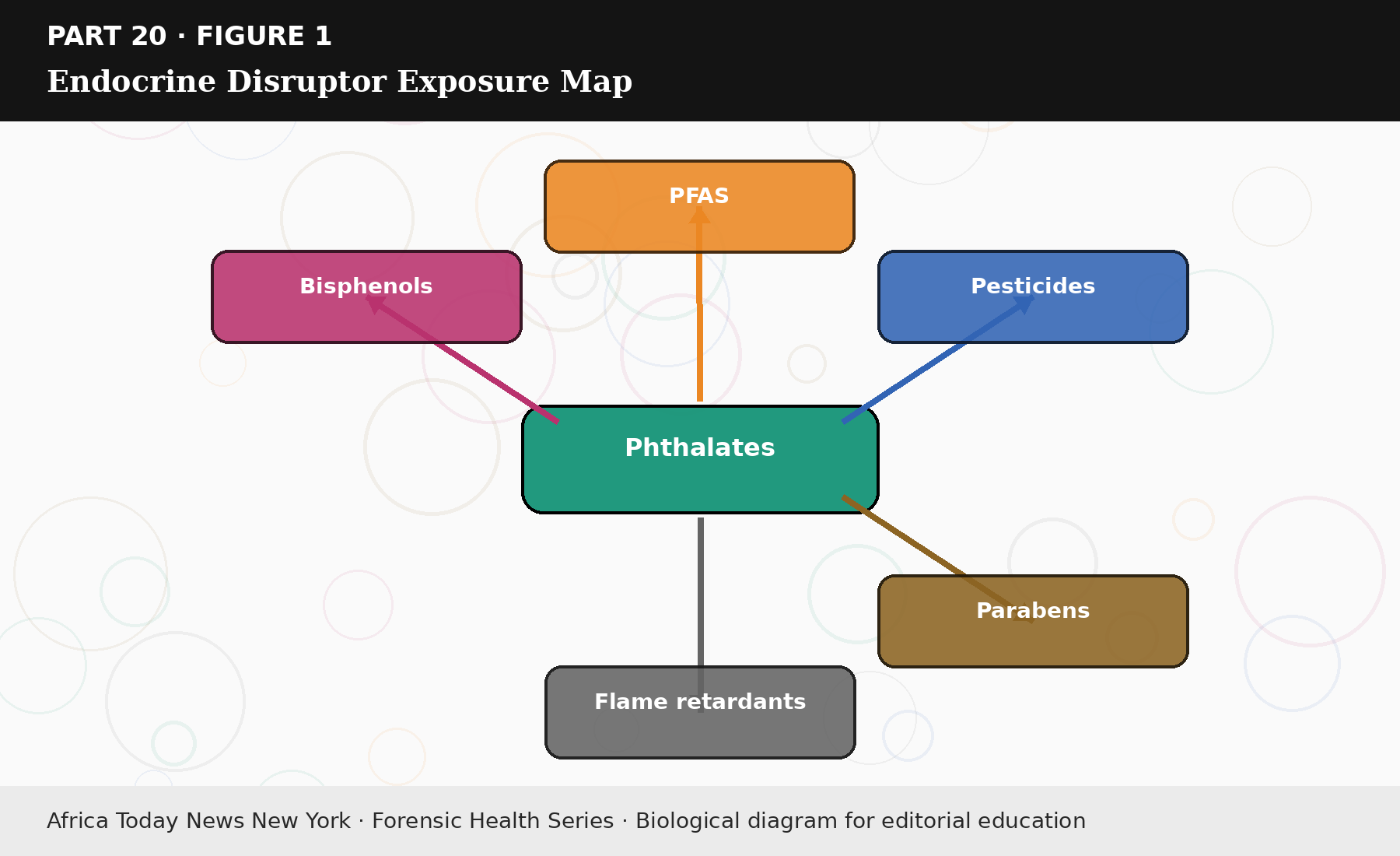
Figure 20.1: Endocrine Disruptor Exposure Map.