
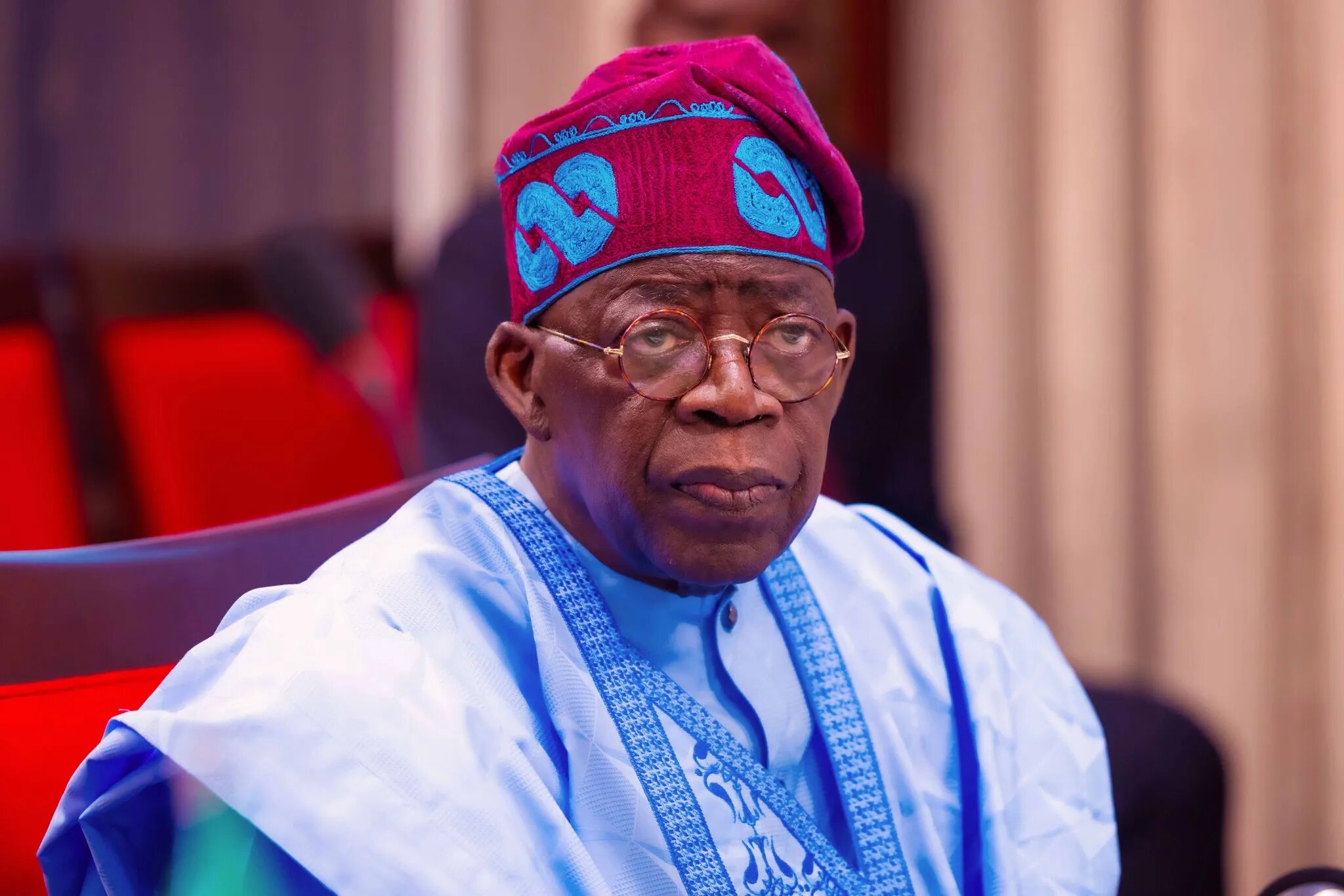
The Nigerian government has rejected the World Bank’s latest poverty assessment, saying the figures do not reflect the country’s real economic situation. In a statement on Thursday, President Bola Tinubu’s Special Adviser on Media and Public Communication, Sunday Dare, said the World Bank’s claim that 139 million Nigerians live in poverty was “unrealistic”
“While Nigeria values its partnership with the World Bank and appreciates its contributions to policy analysis, the figure quoted must be properly contextualised. It is unrealistic,” Dare wrote on his official X account.
He explained that the 139 million figure was based on the international poverty line of $2.15 per person per day, a benchmark set in 2017 using Purchasing Power Parity (PPP).
According to the Presidency, this benchmark does not represent a literal headcount of Nigerians living in poverty. “If converted nominally, that figure equals about ₦100,000 per month, far above Nigeria’s new ₦70,000 minimum wage,” Dare said. He added that the World Bank’s measure is “an analytical construct, not a direct reflection of local income realities.”
The Presidency said the administration remains committed to lifting Nigerians out of poverty through policies that promote inclusive growth.
”Economic recovery alone is not enough; it must be inclusive,” the statement read. “Our focus is to ensure that macroeconomic stability results in tangible benefits — affordable food, quality jobs, and reliable infrastructure.”
Read Also: Nigeria’s Reforms Fail To Lift 139m Citizens From Poverty — WB
The government mentioned ongoing investments in agriculture, small and medium-scale enterprises (SMEs), and power reliability. Programmes such as agricultural value chain expansion, gas-to-power projects, and new skills development hubs are expected to generate employment and lower living costs.
“Nigerians should begin to feel visible improvements in food prices, income, and purchasing power as these programmes mature,” the Presidency added.
Reaffirming President Tinubu’s economic agenda, the statement said Nigeria “rejects exaggerated statistical interpretations detached from local realities.” It added that the administration’s priority is to empower households, expand economic opportunity, and build “a resilient, inclusive economy where growth translates directly to improved living standards.”
“The reforms are necessary. The direction is right. The foundation for a fairer and more prosperous Nigeria is being firmly laid,” the statement concluded.
The World Bank had on Wednesday said that 139 million Nigerians still live in poverty despite ongoing economic reforms.