
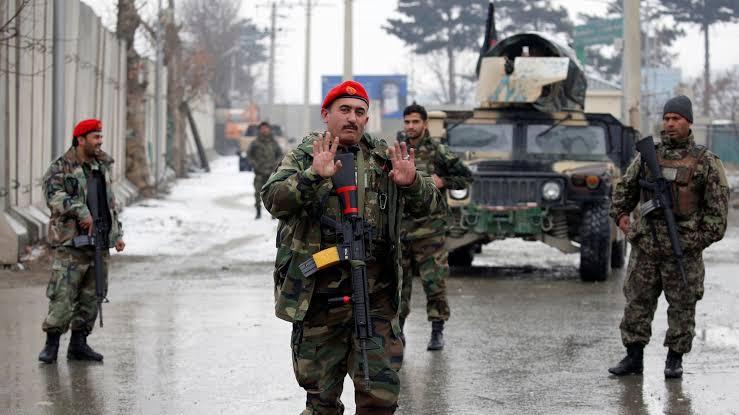
A fierce overnight clash between Afghan and Pakistani forces has left dozens dead on both sides, in one of the bloodiest escalations along the two countries’ volatile border in recent years.
Afghanistan’s Taliban government said on Sunday that its forces killed 58 Pakistani soldiers and wounded 30 others during coordinated retaliatory operations that followed an air strike on Kabul earlier in the week. Zabihullah Mujahid, the Taliban’s chief spokesman, told TOLOnews that Afghan forces had also seized a “significant cache” of Pakistani weapons and equipment during the engagements.
He acknowledged that more than 20 Taliban soldiers were either killed or wounded in the fighting, which spanned multiple provinces.
Pakistan has yet to publicly respond to the Taliban’s claims. But earlier reports from state media suggested a very different version of events — one that cast Islamabad’s forces as the victors. Citing security sources, Radio Pakistan said the army had seized 19 Afghan border posts after “intense combat,” claiming that Taliban fighters either fled or were neutralised. Video aired by Pakistan Television (PTV) showed burning outposts and what it described as Afghan soldiers surrendering in the Kurram region.
Read also: Survivors Tell Of Ruin, Death After Afghanistan Earthquake
According to the state broadcaster, Pakistani forces destroyed several Taliban strongholds, including the Manojba camp battalion headquarters, Jandusar Post, and Kharchar Fort. Officials in Islamabad accused Afghan troops of firing on civilian areas, calling the attack “unprovoked.”
“Firing by Afghan forces on civilian populations is a blatant violation of international law,” Interior Minister Mohsin Naqvi wrote on X. “Pakistan’s brave forces have given a prompt and effective response. No provocation will be tolerated.”
The Taliban, however, insists the violence was retaliation for “repeated violations” of Afghan territory by Pakistan, including Thursday’s air strikes near Kabul that the group blames on Islamabad. Pakistan has not accepted responsibility for those attacks, but it continues to accuse the Afghan Taliban of sheltering militants from Tehreek-e-Taliban Pakistan (TTP), who regularly stage cross-border assaults — an allegation Kabul denies.
The deadly exchange has drawn concern from regional powers. Iran, Qatar, and Saudi Arabia have all urged restraint, warning that further escalation could destabilise South Asia.
Iran’s Foreign Minister Abbas Araghchi appealed for “stability and calm,” while Qatar’s foreign ministry called on both sides to “prioritise dialogue and diplomacy.” Saudi Arabia echoed those appeals, urging “wisdom and restraint” to preserve regional peace.
The latest flare-up underscores the fragile balance between two uneasy neighbours — both battling insurgencies, both burdened by mistrust — yet bound by geography and history to a border that keeps bleeding.