
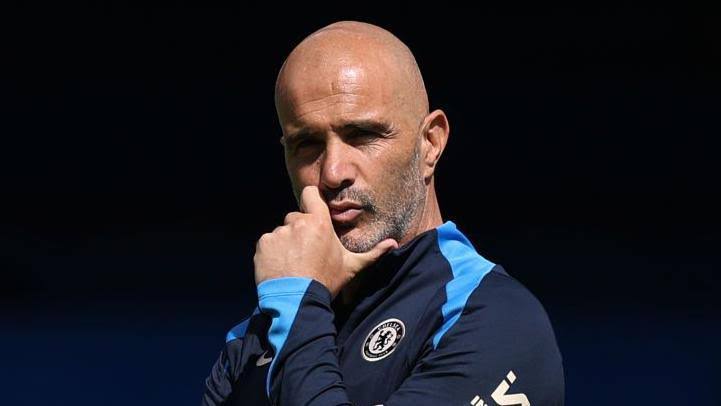
Chelsea head coach Enzo Maresca has spoken openly about the pressure he felt when he first signed for the club, particularly as an Italian manager yet to have won a major trophy in his home country. The comments, made at the Festival dello Sport, underlined the weight of expectation that came with replacing Mauricio Pochettino and steering a club with big resources back into elite contention.
“When I first signed, I felt the pressure of being the only Italian not to have won here (in Italy), but fortunately it hasn’t gone that way,” Maresca said. “Bringing this club back to the top is a very satisfying feeling.” These remarks came as part of reflections on the job he’s done so far — progress, trophies, and overcoming skepticism.
Maresca joined Chelsea in July 2024, signing a five-year deal. His arrival followed a season in which the Blues missed out on Champions League qualification and were in a state of transition. From the start, fans, pundits, and media debated whether he could overcome his relative inexperience at the highest level. But early signs suggest he has done just that: Chelsea have already added to their trophy cabinet under his leadership, and their style of play and competitiveness have improved.
Read Also: Oil Prices Climb Amid Optimism Over U.S.-China Trade Talks
Particularly noted by observers is how Chelsea handled critical moments last season — late goals, tight matches, pressure situations — which had previously proven challenges. Maresca’s tactical approach, blending youthful energy with structure, has offered a sharper edge than many anticipated. The coach himself acknowledges that while the pressure was real, it has become less consuming as the team’s results reflect progress.
There is still much to prove, especially in Europe, and consistency will be essential. But Maresca seems to be converting early doubts into belief, and criticism into momentum.
In football, narrative often leads before results. For Enzo Maresca, that journey has gone from expectation to affirmation — not just surviving pressure, but shaping a culture that believes in progress as much as prestige.