
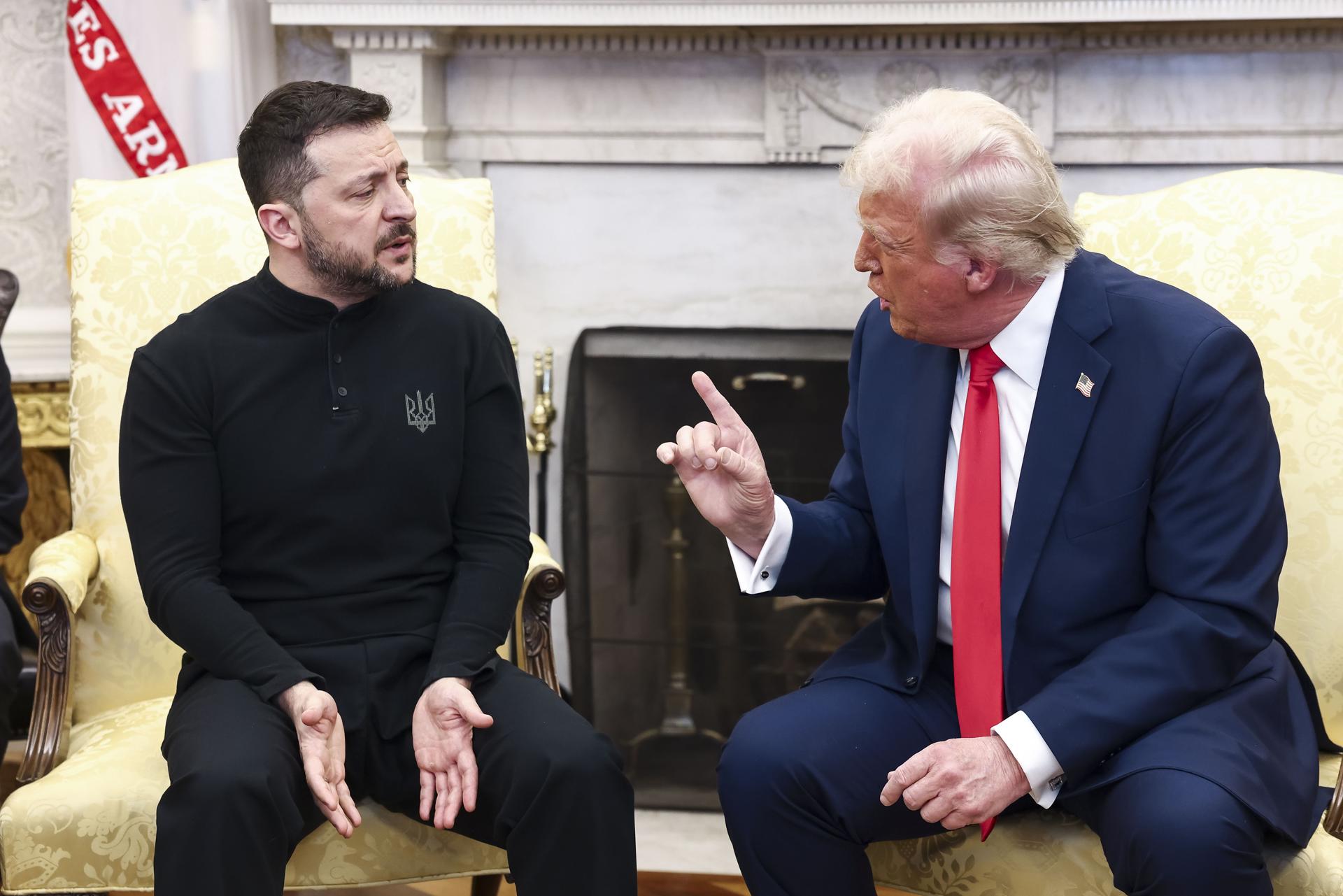
The President of Ukraine, Volodymyr Zelenskiy will meet U.S. President Donald Trump on Friday in Washington to push for American military support, especially the long-range Tomahawk missiles, as Russia continues to bombard them, destroying energy infrastructures.
This meeting comes at a very important moment for Ukraine. With Russian attacks on power grids and frequent drone attacks on even hospitals, Zelenskiy aims to win weapons that could extend Kyiv’s reach deep into Russia itself. Meanwhile, countries in NATO are on edge after reported drone and jet incursions into Polish and Estonian airspace, actions Moscow say are unintentional.
Zelenskiy sees the Trump meeting as a possible turning point. Officials expect Zelenskiy to press hard for U.S. Tomahawk cruise missiles, which, if approved, would allow Ukraine to strike targets within Russian territory. Trump has hinted he could supply them, ”if Putin fails to come to the negotiating table,” according to his statements.
In recent days, Zelenskiy and Trump have already held two conversations focused on strengthening Ukrainian air defence and long-distance strike capabilities. But delivering Tomahawks to Ukraine is both politically and militarily contentious as Moscow warned it would mark a serious escalation.
Read Also: Poland To Boost Military After Russian Drone Breach
Behind the scenes, both sides are trying to exert pressure ahead of any fresh diplomatic window. A former senior Ukrainian official (speaking anonymously) said, “two more months is quite enough for this round of escalation,” suggesting neither side can indefinitely maintain the current intensity.
Kyiv has responded to stalled diplomacy by intensifying drone and missile strikes on Russian oil refineries and energy assets, a campaign designed to snipe at Moscow’s war logistics. Since August 2025, Ukraine has launched more than 50 such strikes, stretching deep into Russian territory.
In retaliation, Russia has hammered Ukraine’s power grid, triggering blackouts across many regions. A recent attack on Kharkiv damaged its main hospital and forced evacuation of patients.
Estonia and Poland have both reported Russian airspace violations by drones and jets, that is seen as an alarming sign of Moscow probing alliance defenses. Germany and Denmark have reported drone incidents as well.
The United States and its allies are under renewed pressure to respond. U.S. Defense Secretary Pete Hegseth recently warned that if the war does not conclude soon, Washington and its partners stand ready to “impose costs on Russia for its continued aggression.”
However, actual arms shipments have dipped. In July and August, Western military aid to Ukraine fell by roughly 43 percent compared to the first half of the year. Some diplomats view a prospective drone-tech sharing deal between the U.S. and Ukraine as a way to keep Washington engaged. Meanwhile, Trump has shifted tone: in recent weeks he’s described Russia as a “paper tiger” and praised Ukrainian resilience, moving from earlier calls for Ukrainian concessions.
The Friday meeting will confirm whether Washington is going to still remain on the side lines or would actively be involved in the war. If Trump agrees on Friday, to supply Tomahawks, or broaden intelligence and air-defense assistance, the balance could shift. But the risks are real: Russia has already vowed a “tough response” to any U.S. action it deems hostile.