
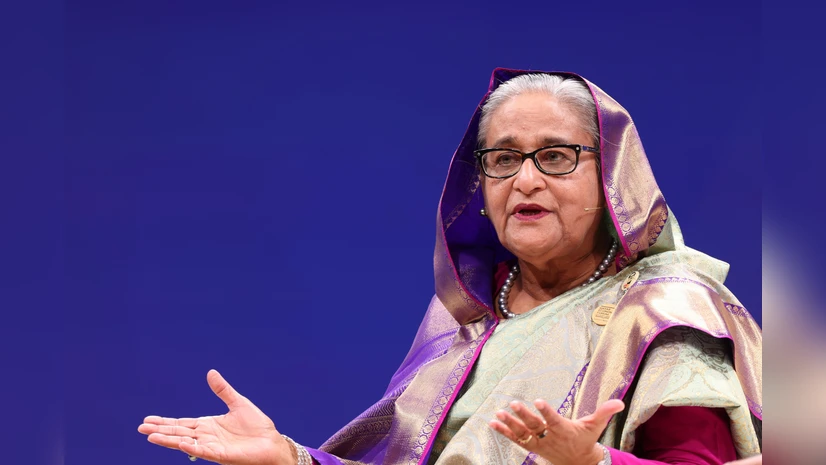
Prosecutors in Bangladesh have asked that former Prime Minister Sheikh Hasina receive the death penalty for alleged crimes against humanity connected to the deadly crackdown on student-led protests in mid-2024. Hasina is standing trial in absentia after fleeing to India.
If the court grants the request, it would mark one of the most significant legal and political developments in Bangladesh’s recent history.
Chief Prosecutor Muhammad Tajul Islam told the tribunal that although it would be impossible to deliver 1,400 separate death sentences for each life allegedly lost, Hasina “should be sentenced 1,400 times — but since that is not humanly possible, we demand at least one.” He accused Hasina, now 78, of being “the nucleus around whom all the crimes committed during the July-August uprising revolved.”
Former Home Minister Asaduzzaman Khan Kamal, who is also charged with involvement, was listed in the call for the death penalty. In the proceedings, former Police Chief Chowdhury Abdullah Al-Mamun, who is currently in detention and has entered a guilty plea, is receiving different treatment; the prosecution left it up to the tribunal to decide on his sentence.
Prosecutors charge Hasina with failing to prevent mass murder, ordering or allowing security forces to “use lethal weapons” on protesters, and leading a campaign that resulted in the deaths of up to 1,400 people during protests in July and August 2024. A leaked audio clip, verified by police, is central to the case; it allegedly captures Hasina ordering security forces to fire on protesters, saying “wherever they find [them], they will shoot.”
Read Also: Bangladesh Grieves As Garment Worker Dies Following Protests
Hasina is represented by a state-appointed lawyer but rejects the authority of the tribunal. Her party, the Awami League, which has been banned from political activities under the interim government, also denies the charges as politically motivated.
The trial is being handled by Bangladesh’s International Crimes Tribunal (ICT), which opened the case on June 1, 2025.
Bangladesh was shaken by the protests, initially sparked over civil service job quotas favouring relatives of those who fought in the 1971 independence war, before evolving into an uprising calling for Hasina’s removal.
Hasina already was sentenced in absentia to six months in prison for contempt of court earlier, related to a leaked audio in which she allegedly claimed a “license to kill.” Bangladesh is scheduled to hold national elections in February 2026, under an interim government led by Nobel Peace Prize laureate Muhammad Yunus, with significant restrictions placed on the Awami League.