
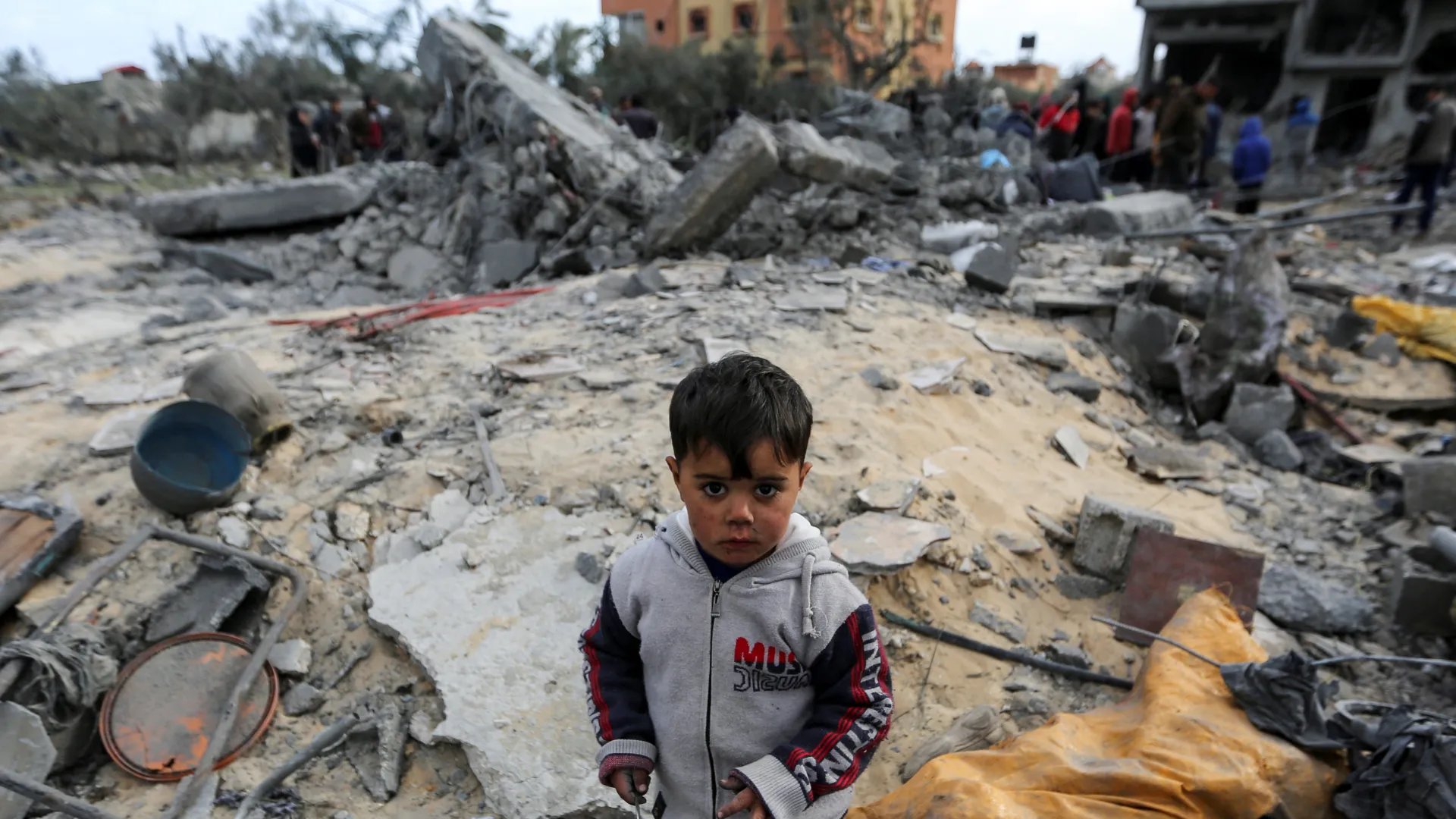
Israeli forces now control roughly 53 percent of the Gaza Strip, according to journalist Youmna Khoudary, as the fragile ceasefire between Israel and Hamas continues to unravel under the weight of renewed violence and deepening humanitarian distress.
While the exchange of captives and Palestinian prisoners remains ongoing under the truce agreement, at least 28 Palestinians have been killed by Israeli forces since the deal took effect. The killings have largely targeted areas in Gaza City, including the Shujayea neighbourhood, where five people were reportedly killed last week.
Simultaneously, Israel has tightened its blockade on the enclave, sealing the Rafah crossing with Egypt and obstructing other key entry points for humanitarian aid. The restrictions have throttled the inflow of food, medicine, and fuel — commodities desperately needed in a territory already pushed to the brink of famine.
Read also: Putin To Visit EU Territory For 1st Time Since Ukraine Invasion
The United Nations warns that humanitarian convoys are struggling to reach Gaza’s hardest-hit zones. Nearly half of the population, it said, now survives on less than six litres of drinking water per day — far below international emergency standards. The World Food Programme added that its deliveries since the ceasefire began average just 560 tonnes of food daily, far short of what is required to stave off widespread malnutrition.
Hamas, for its part, says it remains committed to the ceasefire terms, including the recovery and repatriation of the remains of Israeli captives buried beneath the rubble. The group has so far handed over 10 bodies since the start of the truce. It insists that further recoveries are being delayed because Israel continues to block the entry of heavy machinery needed for excavation.
Africa Today News, New York