
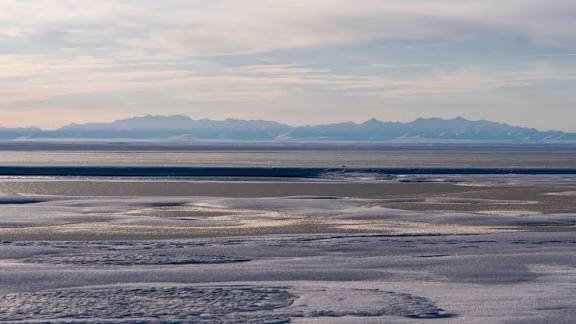
The Trump administration has finalised plans to allow oil and gas drilling in the coastal plain of Alaska’s Arctic National Wildlife Refuge (ANWR), a move that reignites deep tensions over conservation and Indigenous rights.
The U.S. Department of the Interior announced the decision on Thursday, stating that the coastal plain, situated on traditional Inupiaq and Gwich’in land, will be opened to resource exploration to “boost energy development and modernise land and resource management across Alaska.”
Announcing the shift, Interior Secretary Doug Burgum said: “From day one, President Trump directed us to unlock Alaska’s energy and resource potential while honouring commitments to the state and local communities.” He added that by reopening the Coastal Plain and advancing key infrastructure, the government was “strengthening energy independence, creating jobs and supporting Alaska’s communities while driving economic growth across the state.”
The coastal plain hosts internationally recognised habitat for migratory waterfowl and lies near the tip of the Alaska Peninsula. For the Indigenous Gwich’in communities, the region holds deep spiritual significance and has long been a site of opposition to industrial development in ANWR.
Read Also: Obama Amplifies Fela Kuti’s Legacy through Fresh Podcast
Conservation groups criticised the decision sharply. The Wilderness Society Alaska senior manager Meda DeWitt said the move “places corporate interests above the lives, cultures and spiritual responsibilities of the people whose survival depends on … the health of the Arctic Refuge.”
Conversely, the Inupiaq community in the town of Kaktovik, located within the refuge, welcomed the decision. The town’s Native village corporation, Kaktovik Inupiat Corporation, praised the announcement. Its president, Charles “CC” Lampe, said: “It is encouraging to see decision makers in Washington advancing policies that respect our voice and support Kaktovik’s long-term success.”
In the same announcement, Burgum confirmed a land-exchange deal to build a road connecting the communities of King Cove and Cold Bay through the neighbouring Izembek National Wildlife Refuge. The road has long been sought by King Cove residents; conservationists and Indigenous leaders have vowed legal challenges if wildlife protections are weakened.
Republican Senator Lisa Murkowski, who has championed the project, clarified: “It is still an 11-mile, one-lane, gravel, noncommercial-use road.” She said it was “important to remember that nobody’s talking about a multi-lane paved road moving lots of big trucks back and forth.”
The finalised policy opens the door to oil and gas lease auctions on the coastal plain of ANWR—something proposed in earlier legislation that called for at least four lease sales over ten years. Projects are expected to spark immediate environmental reviews and legal contests, particularly from Gwich’in groups and conservation organisations.