
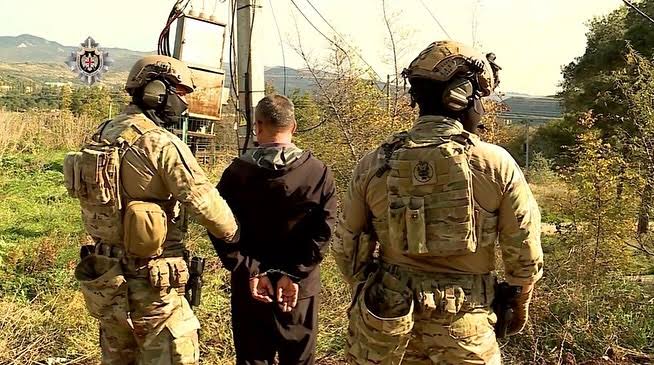
Three Chinese citizens have been arrested in Tbilisi while allegedly attempting to purchase 2 kg (4.4 lb) of uranium for illicit transport to China via Russia, State Security Service of Georgia (SSSG) announced on Saturday. The suspects are said to have coordinated the operation from China while negotiating the transaction in Georgia.
There has been mounting concerns about nuclear material smuggling from former Soviet states, and this goes to show that the efforts of Georgian authorities to intercept such illicit networks are effective.
According to the State Security Service of Georgia, the group planned to pay US$400,000 for the uranium and then move it through Russian territory, then into China.
One suspect, a Chinese national who was already in Georgia had breached visa rules. He allegedly brought in outside experts for the Uranium deal – to search for uranium across the country. The other members of the crew remained in China and coordinated the buy remotely. The SSSG said the arrests occurred during the negotiation phase of the deal.
The agency did not identify the suspects or disclose the exact timing of the arrests. Those detained now face charges under Georgia’s criminal code for “illegal handling of nuclear materials,” which carry penalties of up to ten years in prison.
Smuggling of uranium and other radioactive substances has a documented history in Georgia. In July, authorities arrested a Georgian and a Turkish national for unlawful purchase and possession of radioactive material that could have been used in a weapon, the SSSG said.
Read Also: Putin Unmoved As China And India Pause Imports Of Oil
Georgia, a former Soviet republic, has long been considered vulnerable to illicit trafficking of nuclear materials due to legacy stockpiles and porous borders. The successful interception of this attempted transaction show that the counter-smuggling operations are active.
Georgia’s SSSG said the investigation remains ongoing, with authorities examining financing and trafficking routes. The detained individuals will now proceed through the Georgian judicial system under strict security protocols. For the other members, it is not yet clear what would be done to them.