
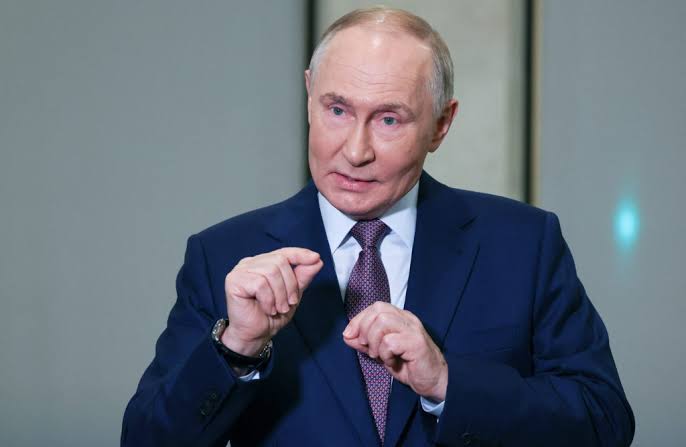
Russian President Vladimir Putin insisted that Washington’s latest sanctions on Russia’s largest oil companies would not change the country’s course. He called them an “unfriendly act” and “an attempt to put pressure on Russia”, adding that “no self respecting country ever does anything under pressure”.
He acknowledged that some economic damage is expected but argued the broader impact will be limited. Putin also suggested that President Donald Trump should “think about who his administration is really working for” when advisers recommend penalties on Russian oil.
The move comes as frustration grows in Washington over a stalled peace process. According to US officials, sanctions that briefly pushed global oil prices up by about five percent are designed to push Putin back to negotiations.
Early market shifts emerged within hours of the announcement. People familiar with the matter said that state energy firms in China have paused seaborne purchases of Russian crude over concerns about breaching American restrictions. Reliance Industries, India’s biggest buyer of Russian oil, said that it is reviewing supplies and will follow New Delhi’s guidance.
Read Also: EU Delays Verdict On Channeling Russian Funds To Ukraine
Both countries had previously resisted Western calls to reduce imports, arguing that discounted Russian barrels helped keep domestic fuel costs down. The oil and gas sector contributes roughly one fifth of Russia’s economic output, meaning any sharp drop in demand could be painful in Moscow, even as consumers elsewhere face higher costs.
While Putin stressed openness to dialogue with Washington, some figures in Moscow reacted angrily. Dmitry Medvedev, the former president who now holds a senior national security role, wrote that the United States “is our enemy” and accused Trump of pursuing a path “of war against Russia”.
Energy analysts in Russia said the sanctions could raise operational problems. Igor Yushkov, who advises the Financial University in Moscow, told Kommersant newspaper that Asian clients may avoid direct deals, forcing companies into complex shipping arrangements which increase costs.
The effectiveness of Washington’s plan will depend heavily on how strictly the measures are applied, analysts say. Western governments are considering secondary sanctions on foreign partners that continue to do business with Russia’s sanctioned companies. That risk could discourage banks and traders from facilitating shipments.
Russia has relied on indirect trade routes and what experts describe as a vast shadow fleet using older tankers registered under distant flags. This system helped maintain exports despite price caps and European embargoes over the past three years. Pro Kremlin commentators say the industry will adapt again, although at greater expense.