
Cameroonian authorities have detained approximately 30 politicians and activists associated with opposition presidential candidate Issa Tchiroma Bakary as the country prepares for the official announcement of the October 12 election results on Monday.
This wave of arrests heightens tensions in the oil- and cocoa-producing nation as supporters of Tchiroma, a former minister turned challenger to long-time incumbent Paul Biya, push for nationwide protests and accuse the government of undermining the electoral process.
Among the detainees are Anicet Ekane, leader of the MANIDEM (African Movement for New Independence and Democracy) party, and Djeukam Tchameni, a senior member of the Union for Change movement. Both had backed Tchiroma’s campaign.
Cameroon’s Interior Minister Paul Atanga Nji confirmed arrests during a press conference, saying they were connected to an “insurrectional movement,” though he did not reveal the total number of detainees or all the identities involved.
Read Also: Issa Tchiroma Bakary Claims Win In Cameroon Presidential Race
In a statement on his campaign’s Facebook page, Tchiroma rejected the insurrection allegations and claimed officials had tried to negotiate with detainees before their arrests. He asked: “They refused your proposals, and now you arrest them? So, when you were seeking to negotiate with them, they were not terrorists?”
Supporters of Tchiroma have staged demonstrations in multiple cities after provisional tallies suggested President Biya was heading toward re-election. Clashes with security forces have already led to casualties and mass arrests.
Tchiroma has called for nationwide protests beginning Sunday at 14:00 GMT against the detention of the opposition. The full result announcement by the Constitutional Council is scheduled for Monday.
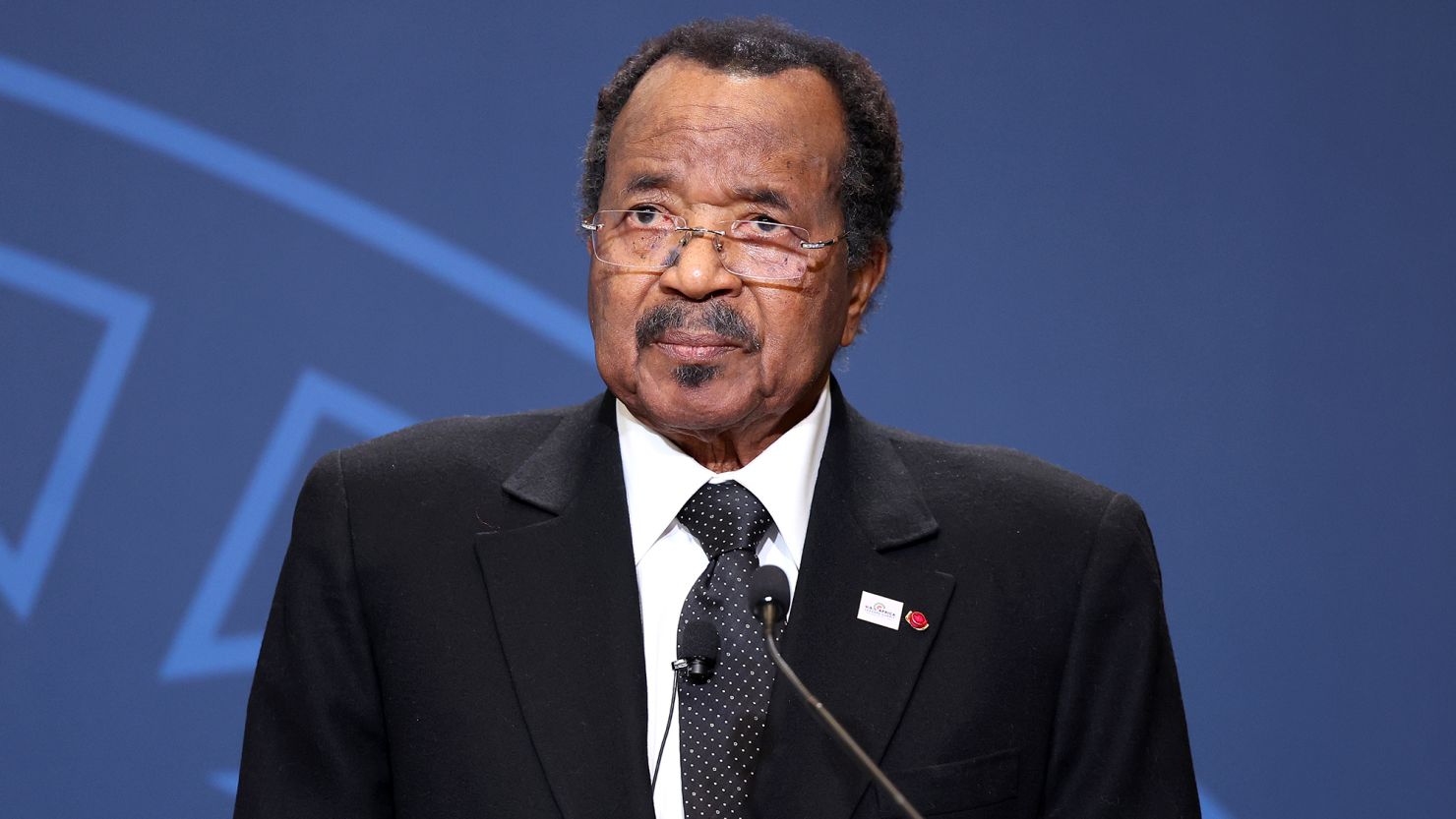
If President Paul Biya is officially declared the winner of Monday’s vote by Cameroon’s Constitutional Council, he would embark on another seven-year term despite being 92 years old — a continuation of his presidency that already spans more than 40 years, having first taken power in 1982. That would make him one of the world’s longest-serving leaders, raising questions about generational leadership, political renewal, and the durability of Cameroon’s democratic institutions. Meanwhile, the crackdown on just opposition figures raises concerns about freedoms, credibility of the vote, and the potential for escalation.