
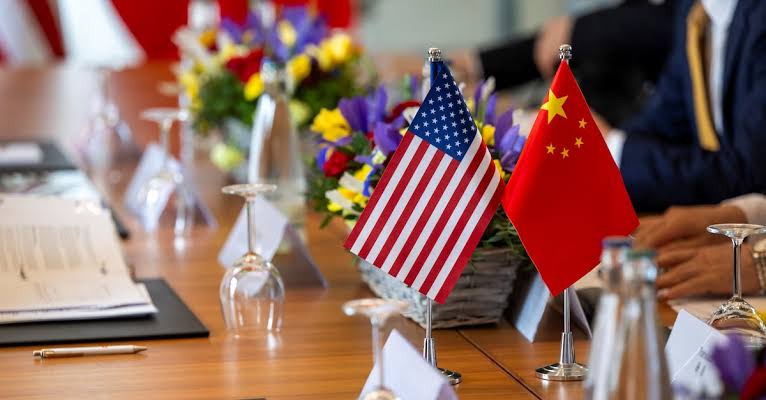
The world’s two largest economies have pulled back from the brink of a devastating trade confrontation, with American and Chinese negotiators hammering out a preliminary framework that could prevent punishing tariffs and reset commercial relations.
Treasury Secretary Scott Bessent revealed the breakthrough in an interview with CBS, saying discussions on the sidelines of an ASEAN summit in Malaysia had produced what he called “a substantial framework for the two leaders” ahead of Thursday’s meeting between Donald Trump and Chinese President Xi Jinping in South Korea.
The contours of the emerging deal address several flashpoints that have poisoned U.S.-China relations in recent months. Bessent confirmed it includes what he termed a “final deal” on TikTok’s American operations—resolving a years-long standoff over whether the Chinese-owned social media platform poses a national security threat. China has also agreed to delay implementing tighter export controls on rare earth minerals, the specialized materials critical to everything from smartphones to military hardware that Beijing had threatened to weaponize.
Most significantly, Bessent said he doesn’t expect the 100 percent tariff Trump threatened to slap on Chinese goods to take effect. In exchange, Beijing has committed to resume large-scale purchases of American soybeans, addressing a longstanding complaint from U.S. agricultural producers who’ve seen their Chinese market access evaporate during years of trade tensions.
“The tariffs will be averted,” Bessent declared, though he offered few specifics about what concessions Washington made to secure Chinese cooperation.
Beijing’s official statement struck a cautiously optimistic tone, acknowledging “constructive” talks that produced “a basic consensus on arrangements to address their respective concerns.” Chinese officials added that both negotiating teams “agreed to further finalise specific details”—diplomatic language suggesting the framework remains skeletal and vulnerable to collapse if implementation discussions falter.
Read also: Three Chinese Nationals Detained Over Illegal Uranium Deal
The talks unfolded in Malaysia, where Trump is touring Southeast Asia and attending the annual ASEAN summit. Bessent’s engagement with senior Chinese trade officials represented the highest-level direct contact between the two governments in months, following a period of escalating rhetoric and reciprocal threats that spooked global markets.
What remains unclear is how much substantive policy has actually changed versus how much both sides are simply declaring victory to avoid economic self-harm. Trump’s threatened 100 percent tariff was always more negotiating theater than serious policy—implementing it would devastate American consumers and businesses dependent on Chinese imports. Similarly, China’s rare earth export restrictions would have disrupted its own industrial customers and accelerated Western efforts to develop alternative supply chains.
The TikTok resolution is perhaps the most concrete achievement, though details remain scarce. Previous negotiations have stalled over questions of data security, algorithmic transparency, and whether any arrangement would genuinely address American intelligence concerns or simply provide political cover for both governments to move on.
China’s soybean purchase commitment matters enormously to American farmers in key electoral states, making it politically valuable for Trump regardless of its economic significance. Beijing stopped buying U.S. agricultural products during earlier trade war rounds, inflicting pain on Trump’s rural base while developing alternative suppliers in Brazil and Argentina. Restarting those purchases gives Trump a tangible win to showcase.
Thursday’s summit in South Korea will test whether this framework can survive contact with two leaders known for unpredictability. Trump’s transactional approach to foreign policy and Xi’s determination to project Chinese strength make any agreement inherently fragile. Previous Trump-Xi meetings have produced grand pronouncements that subsequently unraveled during implementation.