
A 22-year-old Syrian has landed in pretrial detention after German investigators say they caught him assembling the pieces for what they believe was a jihadist attack on Berlin—a discovery that has thrust the capital back into the uncomfortable spotlight it’s occupied since a Christmas market massacre eight years ago left the city traumatized.
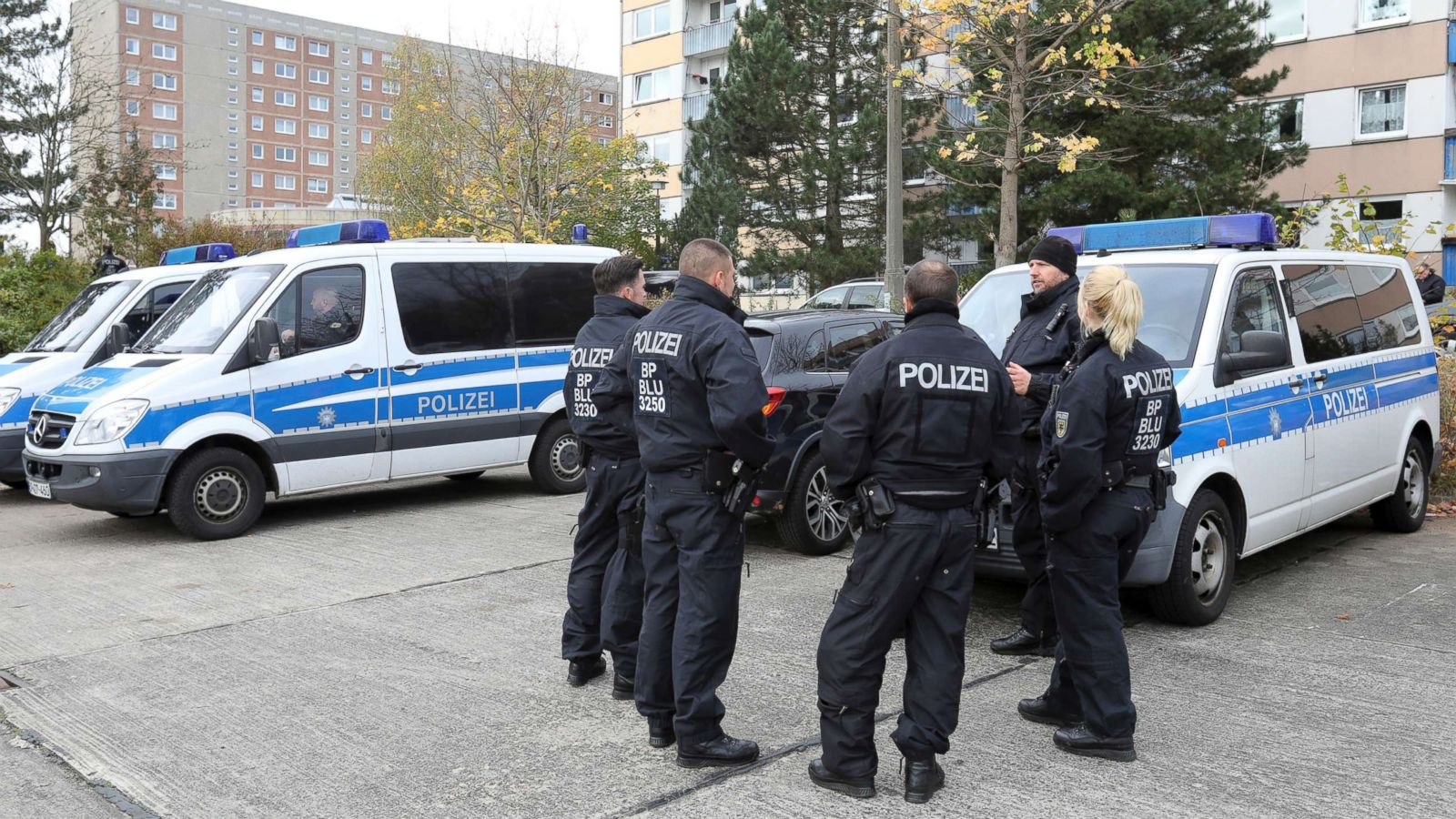
Special police units descended Saturday on three addresses across the city tied to the suspect, hauling away materials that investigators say could be fashioned into explosives. The raids centered on Neukölln, a gritty southern district where immigrant communities have long coexisted uneasily with gentrifying neighborhoods, and where authorities have periodically uncovered radicalization networks.
By Sunday, the suspect stood before a judge who ordered him held while prosecutors assemble what they’re calling a case of preparing “an act of serious violence against the state.” The additional charge—spreading propaganda for “anti-constitutional and terrorist organisations”—suggests he wasn’t working in isolation but rather consuming and possibly distributing jihadist material that caught intelligence services’ attention.
Interior Minister Alexander Dobrindt seized on the arrest as validation of Germany’s post-2016 security posture. “The terrorist threat in Germany, though often abstract, remains heightened,” he said, noting the Syrian had lived in the country since 2023. “His activities suggesting preparations for an attack were detected in time.”
That two-year gap between arrival and arrest will inevitably become political ammunition. Germany absorbed wave after wave of Syrian refugees during the civil war’s peak years, a humanitarian response that Chancellor Angela Merkel famously defended with “Wir schaffen das”—we can manage this. Most of those arrivals have rebuilt lives without incident, but each case of alleged radicalization hands fodder to parties demanding Germany slam its doors shut.
Read also: Ahmed Al-sharaa Corruption Crackdown Exposes Rifts In Syria
What authorities haven’t disclosed is how far along this plot actually was. Possessing explosive precursors is legally significant but doesn’t answer whether the suspect had selected targets, recruited accomplices, or moved beyond fantasy into operational planning. German counterterrorism law casts a wide net, allowing prosecution for preparatory conduct that in other jurisdictions might not yet constitute a crime—a tradeoff between early intervention and civil liberties that generates persistent debate.
The propaganda element hints at digital breadcrumbs. Modern counterterrorism operations increasingly pivot on monitoring online activity—who’s downloading bomb-making manuals, consuming execution videos, or participating in encrypted channels where ideology hardens into violence. That the suspect faces charges for disseminating extremist content alongside attack preparation suggests investigators tracked his radicalization trajectory through his virtual footprint.
Berlin’s security apparatus operates under the long shadow of Breitscheidplatz, where Anis Amri steered a hijacked truck through Christmas shoppers in December 2016, killing a dozen and shattering any illusion that Germany sat safely removed from jihadist violence. That attack exposed catastrophic intelligence failures—Amri was under surveillance, flagged as dangerous, yet still managed to execute his plan.
The subsequent reckoning forced Germany to fundamentally restructure how federal and state agencies share threat information, how surveillance targets are prioritized, and how quickly authorities can move from monitoring to arrest. This latest detention suggests those reforms are functioning, catching someone before rather than after blood spills.
Yet each arrest also reinforces the exhausting reality that vigilance can never lapse. Christmas markets are opening across Germany, their wooden chalets now surrounded by concrete barriers and armed police—festive spaces transformed into fortified zones. Berliners have learned to navigate their city with a low-grade wariness that wasn’t there a decade ago, and incidents like this week’s arrest ensure that anxiety never fully dissipates.
The timing stings particularly. Germany has recently weathered a spate of knife attacks bearing both jihadist and far-right signatures, each one reigniting arguments over whether the state is losing control of public safety. The political consequences have been stark, with the far-right Alternative for Germany surging in polls by promising draconian immigration restrictions and expanded police powers.