
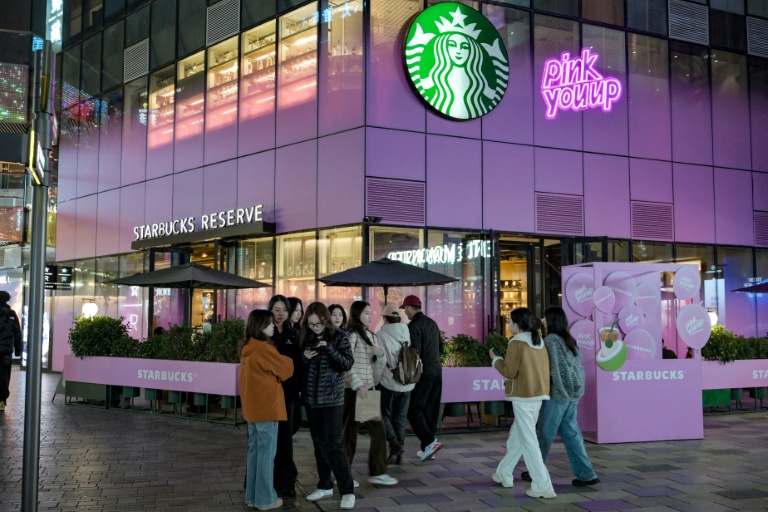
Seattle-based coffee giant Starbucks has struck a major partnership deal in China, agreeing to cede operational control of its retail business to investment firm Boyu Capital in a transaction valuing that unit at $4 billion. Under the terms, Boyu will hold up to 60 percent of a newly formed joint venture, while Starbucks retains 40 percent and continues licensing its brand and intellectual property.
Starbucks says this move is central to its strategy to reignite growth in China, where competition from low-price rivals like Luckin and Cotti has eroded its market share, and expand its footprint from the current ~8,000 stores to more than 20,000 over time.
For Starbucks, this is one of the largest divestments of a China unit by a global consumer brand in recent years, and it signals a shift in how multinationals might operate in China’s fiercely competitive consumer market.
By partnering with Boyu, Starbucks gains capital, local know-how, and logistical support to better compete in China’s lower-tier cities, where growth still remains largely untapped.
Read Also: Nvidia: Hits $5 Trillion, Becomes World’s Most Valuable Firm
Boyu will own up to 60 percent of the new venture; Starbucks holds 40 percent and licenses its brand to that entity. While the $4 billion reflects the operational retail business, Starbucks projects that, including its retained stake and future licensing, the total value of its China retail footprint will exceed $13 billion over the next decade.
Starbucks’ share in China has dropped to ~14 percent (2024) from 34 percent in 2019, per Euromonitor.
Starbucks plans to stick to its strength as a “third place” — a venue where customers spend time, rather than racing into a full price war. It’s also been trimming prices on non-coffee items and rolling out localized products.
Starbucks first entered the China market in 1999 and has long been credited with helping build the country’s coffee culture.
Boyu Capital, founded in 2010, is known for backing consumer and tech brands in China. Its founders include Alvin Jiang, grandson of former Chinese President Jiang Zemin.
Under the deal, Starbucks’ China headquarters will remain in Shanghai, and the agreement is expected to close in the second quarter of Starbucks’ fiscal 2026.