
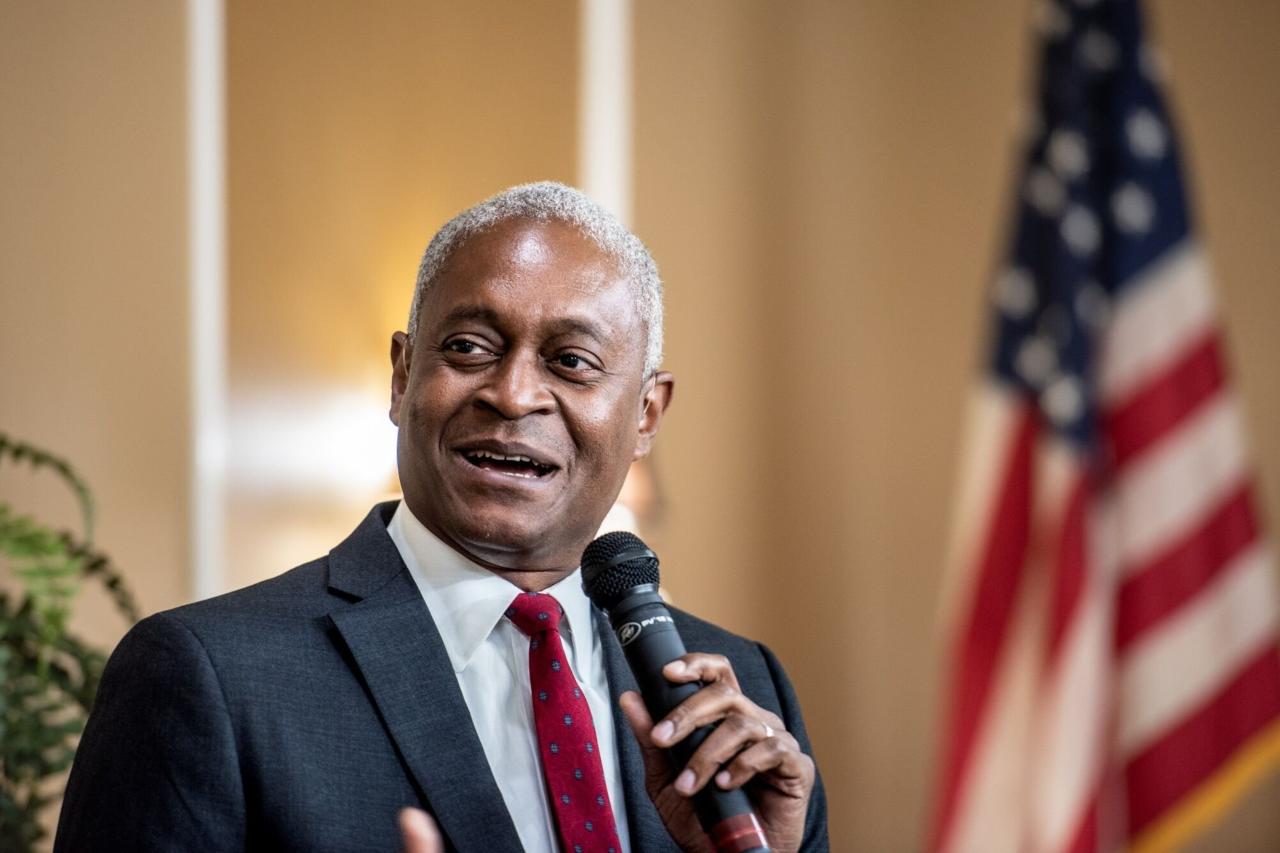
Atlanta Federal Reserve President Raphael Bostic, the first Black and openly gay leader of a regional Fed bank, announced Wednesday he will retire at the end of his current term on February 28, 2026, marking an unexpected early departure as President Donald Trump seeks to expand his influence over the central bank.
Bostic’s decision comes as the Fed faces heightened political scrutiny and uncertainty over its leadership. Trump does not directly appoint the 12 regional Fed presidents, but his administration is expected to play a key role in shaping the Board of Governors, which must approve all regional bank appointments. The president has also indicated he intends to replace Fed Chair Jerome Powell when Powell’s term ends next spring.
Bostic’s announcement follows a year of turnover within the central bank’s upper ranks, including the August departure of Governor Adriana Kugler, a prominent hawkish voice. His exit will remove another policymaker known for his cautious stance on rate cuts, at a time when the Fed is weighing whether to continue its monetary easing campaign that began in September or pause amid persistent inflation pressures.
Read Also: World Bank Launches Pay-For-Results Plan For Nigeria Broadband
Speaking Wednesday, Bostic said current labor market conditions “do not warrant an aggressive
All three Trump-appointed governors have publicly backed further and faster rate cuts, with the newest board member, Stephen Miran, calling for steeper reductions to spur growth.
Trump has long criticized Powell and the Fed for being “too cautious” in cutting interest rates. His renewed focus on the institution, including the attempted dismissal of Governor Lisa Cook, has raised concerns about the traditional independence of U.S. monetary policy.
Although regional Fed presidents like Bostic are not voting members of the Federal Open Market Committee (FOMC) every year, they participate in policy debates that shape the committee’s final decisions. Bostic would not have been a voting member until 2027 but has remained an influential voice in internal discussions.
Bostic was also subject to an internal Inspector General investigation into his personal investment disclosures. The inquiry concluded that his actions had created the appearance of a conflict of interest and of trading on confidential information, though it found no evidence of intentional misconduct.
Reflecting on his tenure, Bostic said in a statement, “It’s been my distinct honor and privilege to lead the Atlanta Fed for these past eight and a half years. I feel incredibly fortunate. I’m proud of what we accomplished to make the goal of an economy that works for everyone more of a reality.”
Federal Reserve Chair Jerome Powell praised Bostic’s contributions, calling his perspective “an enrichment to the FOMC’s understanding of our dynamic economy” and his leadership “a steady voice grounded in purpose.”
The Atlanta Fed’s board of directors, chaired by Gregory Haile, will form a search committee to identify Bostic’s successor. The selection process, normally routine, could be more politically charged this time given the Trump administration’s apparent interest in shaping Fed leadership at all levels.