
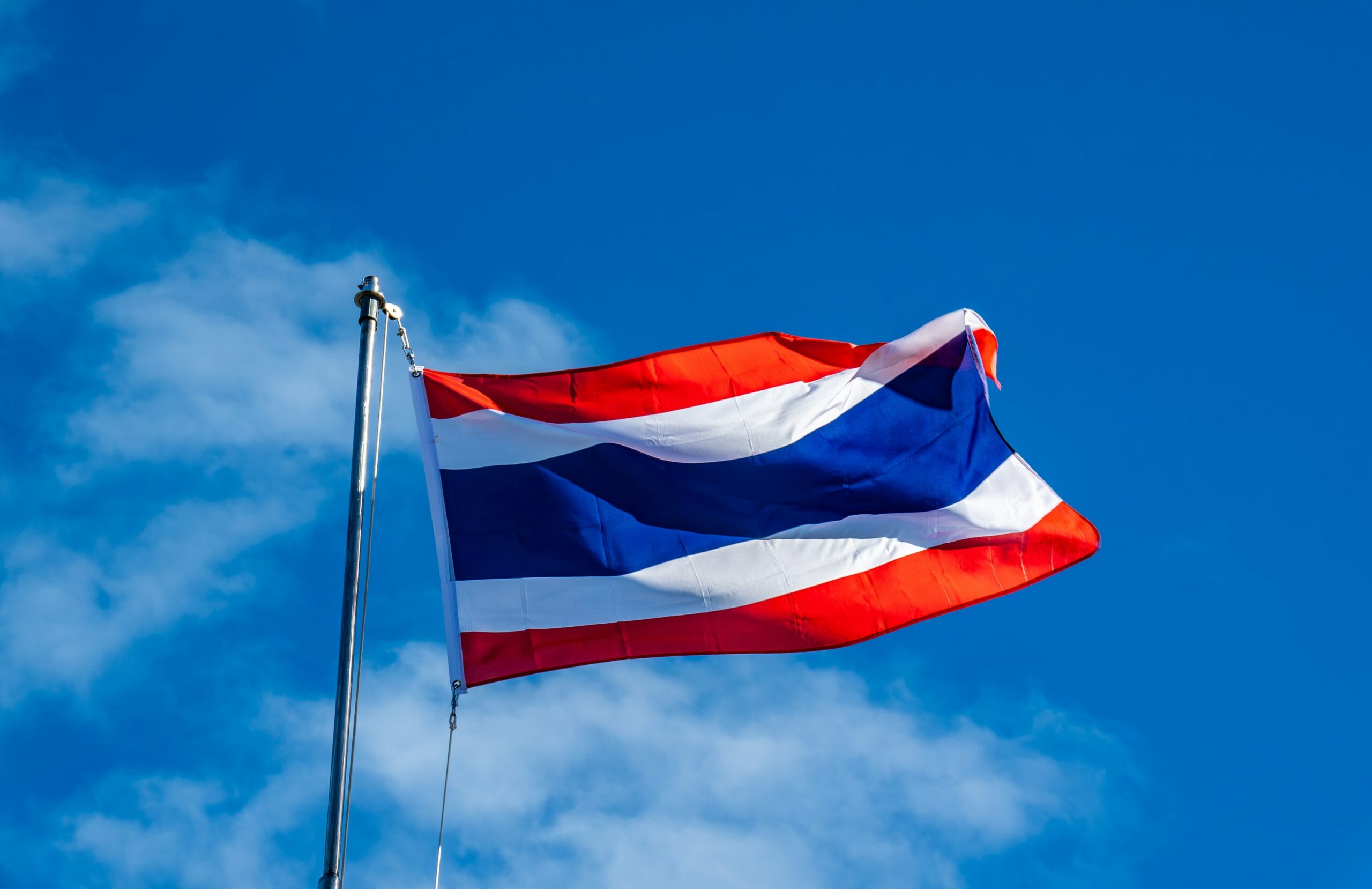
Thailand tightens SIM card rules to curb scams, while Bangladesh rolls out new data protection laws, aligning with global privacy standards.
Thailand and Bangladesh are ramping up digital security measures as governments seek to protect citizens from rising cybercrime and ensure safe digitization.
In Thailand, authorities unveiled stricter identity verification protocols to combat fraud on mobile networks and online platforms. The National Broadcasting and Telecommunications Commission (NBTC) is set to limit SIM card ownership to a maximum of five numbers per person and will enforce rigorous registration rules. Only authorized distributors can onboard new users, employing Dip Chip verification, while residents in high-risk border areas will face enhanced monitoring.
The Digital Economy and Society Ministry, led by Minister Chaichanok Chidchob, convened a high-level meeting with government agencies and private operators, including Google, TikTok, and Line, to address loopholes exploited by scam syndicates. The ministry also announced plans for “Survival SIMs” with global coverage and multi-network roaming, to be issued solely by the Department of Provincial Administration. Guidelines to compensate scam victims and expedite legal action against offenders are underway.
Read Also: Chinese Government Warn Students Over Japan, Taiwan Tensions
Chidchob emphasized the need for international cooperation and confirmed Thailand is progressing toward joining the United Nations Convention against Cybercrime (UNCC). Social media platforms face increased scrutiny, with calls for stricter user identification, real-name verification, and advertiser authentication to curb scams.
Meanwhile, Bangladesh is advancing its digital protections through new legislation. The Personal Data Protection Ordinance 2025 and National Data Governance Ordinance 2025 establish citizens as owners of their personal data and outline strict rules for consent, storage, sharing, and automated decision-making. Special provisions cover sensitive data, including health and financial information, and parental consent is required for minors.
The new governance framework creates a national data authority to oversee compliance, manage disputes, and maintain a National Source Code Repository. Violations may incur administrative penalties and fines. Observers note that Bangladesh’s regulations align closely with the European Union’s GDPR and India’s digital privacy laws, while addressing local socio-legal conditions.
These measures come as Bangladesh accelerates its digitization efforts, investing $208 million in AI and blockchain training, and exploring central bank digital currencies to regulate emerging financial technologies. Officials are also planning a National Responsible Data Exchange platform to streamline secure data sharing between government agencies and private enterprises.
Together, Thailand and Bangladesh illustrate a regional push to balance digital growth with cybersecurity, signaling a proactive approach to fraud prevention, data protection, and safe technological adoption in Southeast Asia.