
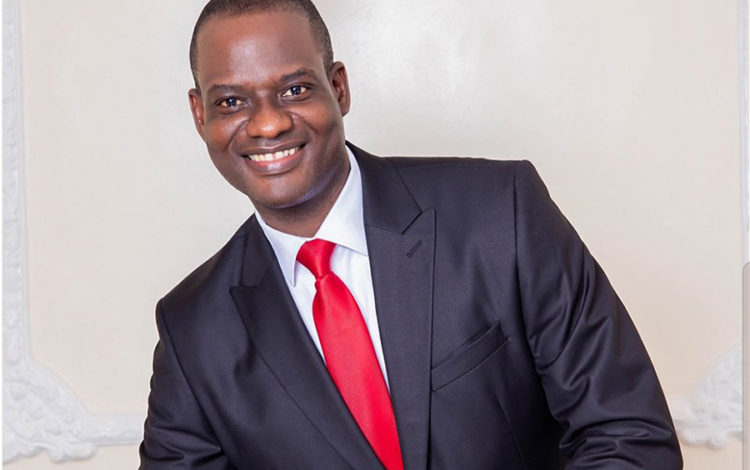
Nigerian Presidential Tax Committee Chairman, clarifies that religious leaders’ salaries are taxable under the new law, though low-income earners remain exempt.
Religious leaders in Nigeria, including pastors and imams, will be subject to taxation under the country’s new tax law, the chairman of the Presidential Committee on Fiscal Policy and Tax Reforms, Taiwo Oyedele, has clarified.
Oyedele made the announcement during a Mic On podcast hosted by Seun Okinbaloye on Saturday November 22, 2025, explaining how the federal government plans to apply tax rules to individuals working in religious organizations.
“When asked if the salaries of Imams and Pastors are taxable, the answer is yes,” Oyedele said. “It’s an income. The law exempts Churches and Mosques from paying taxes unless they start operating as businesses or commercial organizations. But individuals employed by these institutions are workers, just like anyone else.”
He emphasized that people working in religious institutions—including clergy, choir members, or administrative staff—are considered employees and their earnings fall under the taxable framework. Oyedele drew a comparison with other professions, saying, “The person who is selling food, or the farmer growing crops, is also working. Their income is taxed. Religious work is no different.”
Read Also:Nigerian FIRS: Enforces 7.5% VAT On Lawyers From January 2026
However, the chairman stressed that low-income earners within religious organizations would remain exempt from taxation if their income falls below the statutory threshold. “If what you’re earning is below the threshold for taxation, you are exempted—whether you are an Imam, Pastor, or do not follow any religion,” Oyedele said.
He added that the new tax law is designed to be neutral, without regard to gender, ethnicity, or faith. “The moment your income exceeds the taxable threshold, you pay tax. Tax law is blind to personal beliefs. High-income earners will pay more, low-income earners will pay less. That’s the principle,” he explained.
The clarification comes amid growing public interest in how Nigeria’s revised fiscal policies will affect individuals and institutions outside conventional business sectors. Oyedele’s remarks seek to reassure citizens that the government’s approach is intended to be fair, impartial, and applied consistently across society.
As Nigeria continues to modernize its tax system, these guidelines are expected to provide clearer direction for religious institutions and their employees, ensuring compliance while protecting low-income earners from undue financial burden.