
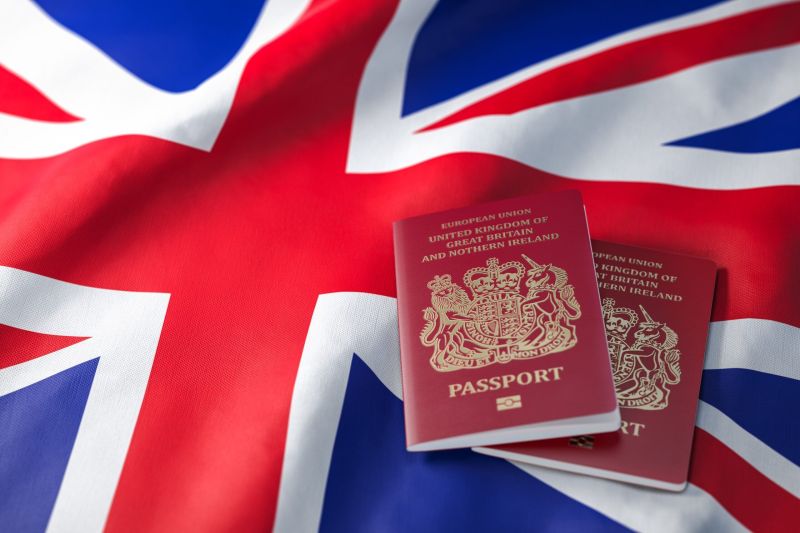
UK ONS figures show net migration dropped to 204,000, a sharp fall supporting Keir Starmer’s pledge as the government overhauls asylum and settlement rules.
United Kingdom’s long-term net migration fell sharply over the past year, official figures show, providing a potential political boost for Prime Minister Keir Starmer ahead of next year’s elections.
Data from the Office for National Statistics (ONS) estimates that net migration dropped to 204,000 in the year to June, down from 649,000 the previous year — a decline of more than two-thirds. Analysts say this marks the steepest annual fall since the post-COVID period and brings figures close to pre-Brexit levels.
The statistics indicate that around 898,000 people arrived in the UK over the period, a drop of 401,000 compared with the year before, while 693,000 left the country. Non-EU nationals accounted for approximately 75% of incoming migrants, with EU citizens numbering 85,000 and 143,000 arrivals being British nationals.
The fall coincides with government measures to overhaul asylum and settlement rules. Home Secretary Shabana Mahmood recently announced a program requiring refugees to undergo status reviews every 30 months, describing illegal immigration as “tearing our country apart” and pledging to increase removals, including families with children.
Read Also: UK, Canada And Australia Unite Against Visa Fraud In Nigeria
Labor has previously promised to reduce net migration, and the ONS figures are likely to be viewed as validating the party’s policy stance. Yet experts caution that public perception remains out of step with reality. A recent Ipsos/British Future survey found 56% of Britons believe net migration increased last year, despite figures more than halving from 848,000 to 345,000 since 2024.
Sunder Katwala, director of thinktank British Future, said: “Net migration has now dropped by two-thirds in the last year and by three-quarters since its post-COVID peak. Yet the public largely believes it is still rising. It is time the debate caught up with reality.”
The survey also found misconceptions over asylum: most respondents believed it made up a third of all migration, when in fact it accounted for about 14%. Attitudes toward immigration remain complex — while 41% of people want numbers to fall “a lot,” a majority still support maintaining essential migration for jobs such as healthcare, logistics, and seasonal work.
Experts stress the importance of a balanced debate. Gideon Skinner, Ipsos senior director for UK Politics, noted that while immigration is rising on the public agenda, Britons “prioritize a system that delivers control rather than simply reducing numbers to the lowest possible level.”
The report urges policymakers to expand agreements like the UK–France asylum deal, speed up settlement decisions, and create credible legal routes for migrants while distinguishing legitimate concerns from prejudice.