
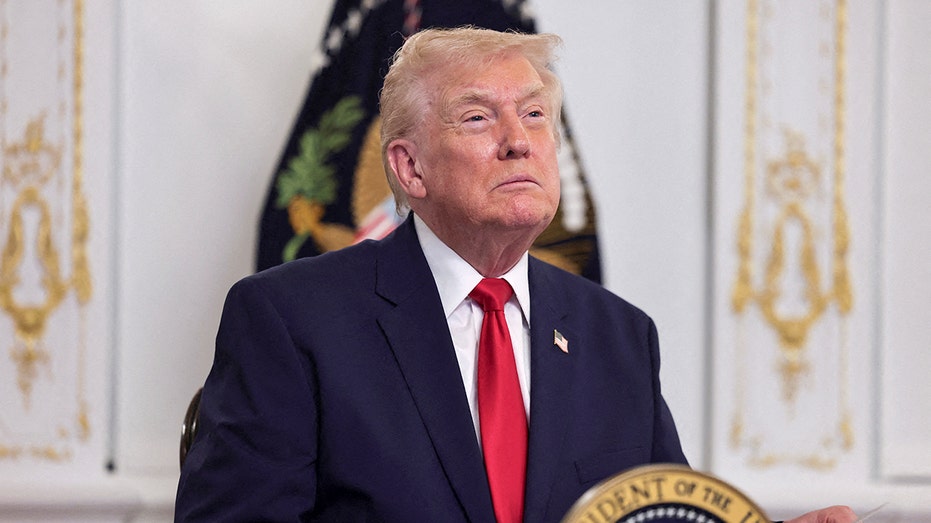
U.S. President Donald Trump said on Saturday that the airspace over Venezuela should now be treated as fully closed, a declaration that came without operational details as Washington increases pressure on President Nicolás Maduro’s government.
Trump delivered the warning in a Truth Social post, writing that airlines, pilots, drug traffickers and human traffickers should consider the airspace above and around Venezuela closed in its entirety. Neither the Pentagon nor Venezuela’s communications ministry responded to Reuters requests for comment.
The statement marks a further escalation in a months long U.S. push to curb alleged drug trafficking activities tied to Venezuela. Washington has already carried out a series of strikes against boats in the Caribbean and expanded its military presence in the region.
American forces have been targeting suspected drug vessels since September, conducting at least twenty one strikes in the Caribbean and the Pacific, according to figures cited by Reuters. Those operations have resulted in at least eighty three deaths.
Earlier this week, Trump told service members that U.S. ground operations aimed at stopping suspected Venezuelan traffickers would begin very soon. His administration has also authorised covert CIA missions in the country, according to sources cited by Reuters.
The Federal Aviation Administration recently warned major airlines about a potentially hazardous situation when flying over Venezuela due to concerns about worsening security conditions and elevated military activity. Following the alert, Venezuela cancelled operating rights for six international carriers that had suspended flights to the country.
Read Also: Trump Halts Immigration From ‘3rd World,’ Reviews Green Cards
Washington has repeatedly accused Maduro of drug trafficking ties, an allegation he has rejected. Maduro, who has been in power since twenty thirteen, has argued that the United States is trying to remove him and has said Venezuelans would resist any attempt to unseat his administration.
Tensions between the two countries have deepened over the past several years, with U.S. sanctions, diplomatic standoffs and periodic military activity shaping the relationship.