
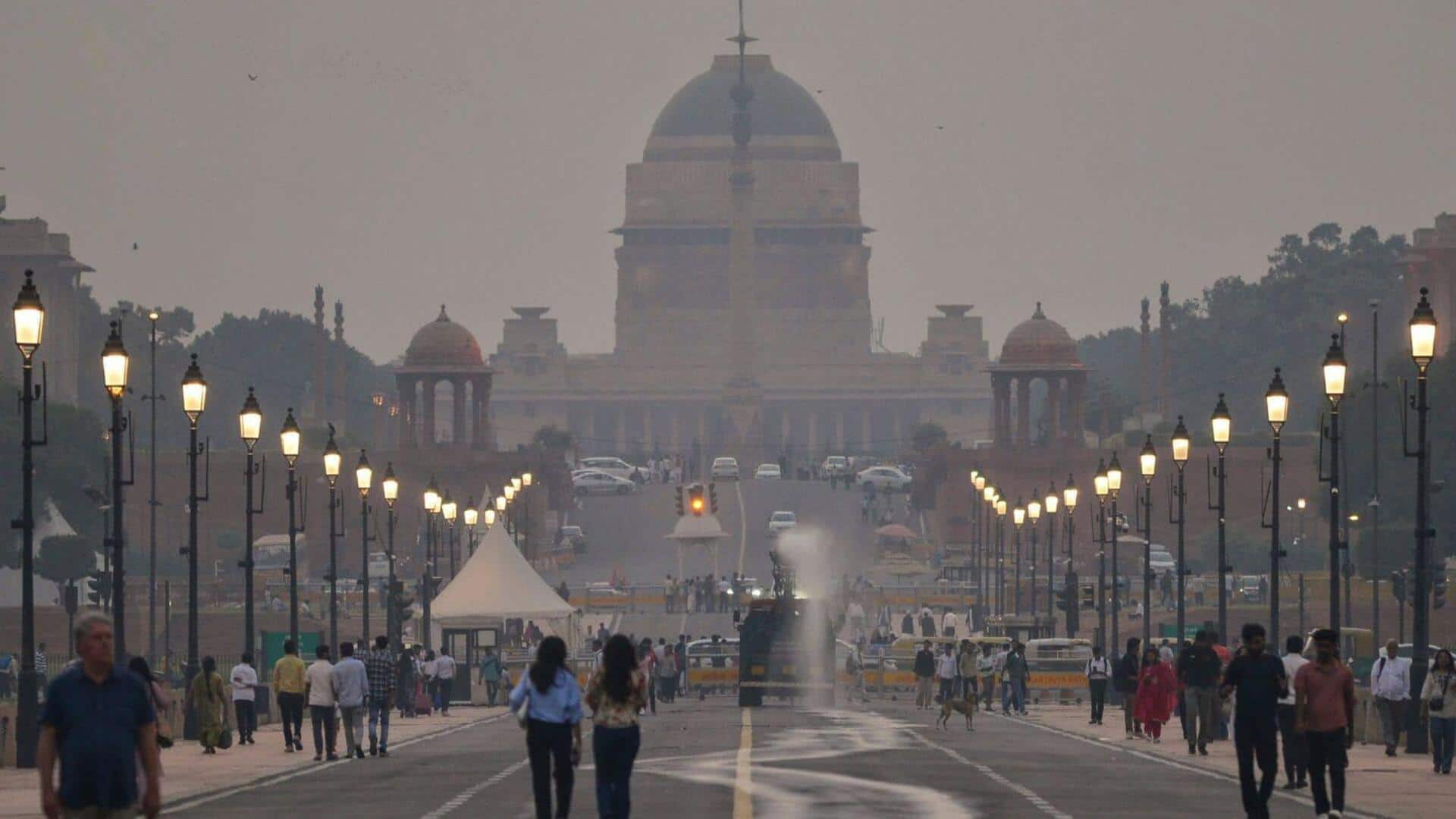
More than two hundred thousand acute respiratory cases were recorded across six state-run hospitals in Delhi from twenty twenty two to twenty twenty four as the capital continued to battle severe air pollution, the federal government told parliament this week. More than thirty thousand patients required hospital admission during the same period.
The figures highlight how Delhi’s worsening pollution has become a year-round threat, particularly as winter conditions trap harmful particles close to the ground. For several weeks, the city’s Air Quality Index, or AQI, has remained far above recommended limits, raising fresh concerns for vulnerable groups.
According to the government’s written reply, hospitals reported sixty seven thousand and fifty four acute respiratory cases in twenty twenty two, sixty nine thousand two hundred and ninety three in twenty twenty three, and sixty eight thousand four hundred and eleven in twenty twenty four. Officials said their analysis showed a clear increase in emergency department visits on days with heavier pollution. At the same time, they stressed that the data alone could not confirm a direct causal link. The statement noted that “this study design cannot provide confirmation that the association is causal.”
Delhi’s AQI has often crossed the four hundred mark in recent years, a level India classifies as severe. Readings at that threshold can harm even healthy residents and pose significant risks for those with asthma, chronic bronchitis, or heart disease. On Wednesday morning, the citywide average hovered around three hundred and eighty, according to Safar, a government-supported monitoring platform.
Read Also: Israel Affirms Strong Security Confidence In India Under Modi
Health experts contacted by outlets such as the BBC reported a steady rise in children arriving at hospitals in Delhi and surrounding districts with breathing difficulties, persistent coughs, and other pollution-related symptoms. Many parents have told doctors that their children’s symptoms worsen on days when smog blankets the capital.
Environmental researchers say Delhi’s pollution stems from a combination of slow winter winds, vehicle emissions, industrial output, and smoke from seasonal crop stubble burning in nearby states. These elements trap fine particulate matter, including PM2.5, which is small enough to enter the bloodstream after inhalation.
India’s higher courts have held multiple hearings on Delhi’s air quality over the past decade and have pressed authorities to implement stronger action. Later on Wednesday, the Delhi high court was expected to examine a new petition calling for immediate steps to reduce hazardous pollution levels. The outcome could add further pressure on local and federal agencies already struggling to contain the crisis.