
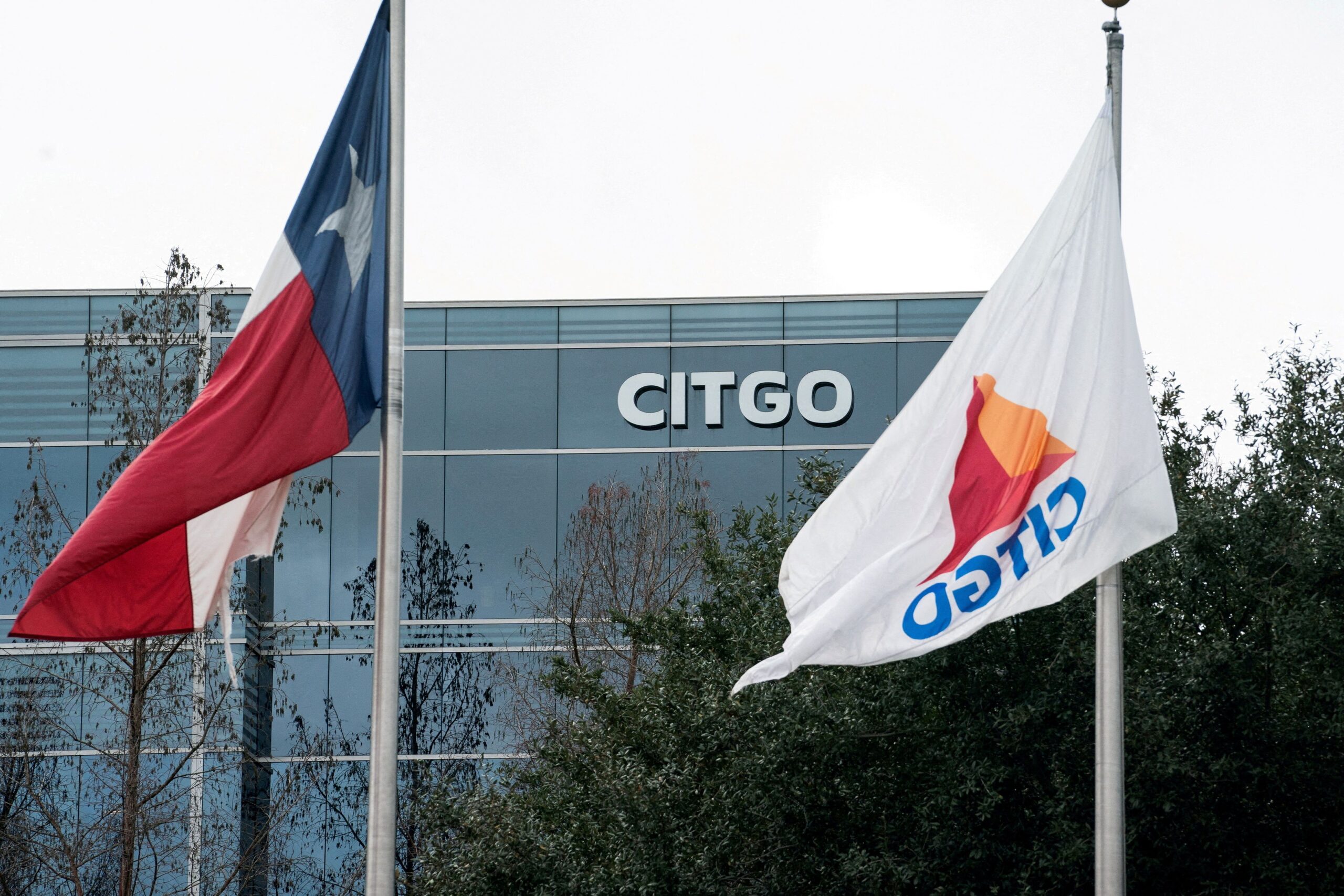
Venezuela erupted in criticism on Tuesday after Vice President and Petroleum Minister Delcy Rodriguez denounced a United States court ruling that clears the way for the forced sale of Citgo, the crown jewel of Venezuela’s foreign assets. Reading a statement on state television, Rodriguez condemned the order as a “fraudulent” manoeuvre and insisted that Caracas “energetically rejects” the ruling.
The ruling in question came from Delaware Judge Leonard Stark, who approved the sale of Citgo’s parent company to Amber Energy, an entity tied to the hedge fund Elliott Investment Management, for $5.9bn. The fund described the purchase as being backed by prominent US energy investors. That order arrives after years of legal battles linked to over $20bn in claims filed against PDVSA, Venezuela’s state oil giant and Citgo’s corporate parent.
Those claims grew from a mix of sovereign defaults, arbitration awards and old nationalisation disputes, including a $1.2bn award to Canadian mining company Crystallex after Venezuela seized the Las Cristinas gold deposit in 2008. Citgo became the central collateral for these debts as the country’s economy collapsed under broad US sanctions that gutted Venezuela’s once dominant oil sector.
Read also: Venezuela Urges OPEC Help As Tensions With U.S. Rise
The sale unfolds at a moment when President Nicolas Maduro is publicly accusing Washington of militarising the Caribbean Sea around Venezuela, framing the buildup as a precursor to seizing the country’s vast oil reserves. Caracas frequently underscores that it holds the world’s largest proven reserves, some 303 billion barrels, but its crude exports fell to barely $4bn in 2023 as sanctions intensified.
Maduro recently pressed fellow OPEC members to help Venezuela counter what he called escalating illegal threats from the US. Paolo von Schirach of the Global Policy Institute, however, argued that such an appeal is unlikely to gain traction inside the oil cartel.
Washington maintains that its regional military posture targets drug trafficking. That claim has done little to ease Venezuelan suspicions, shaped by two decades of deteriorating ties. Oil shipments to the US, once robust before Hugo Chavez’s rise in 1998, dwindled sharply under sanctions and have since been redirected to China, India and Cuba.
Meanwhile PDVSA, hamstrung by decaying infrastructure, mismanagement and sustained external pressure, continues to struggle with restoring its former capacity, even after a brief sanctions reprieve during the Biden years.