
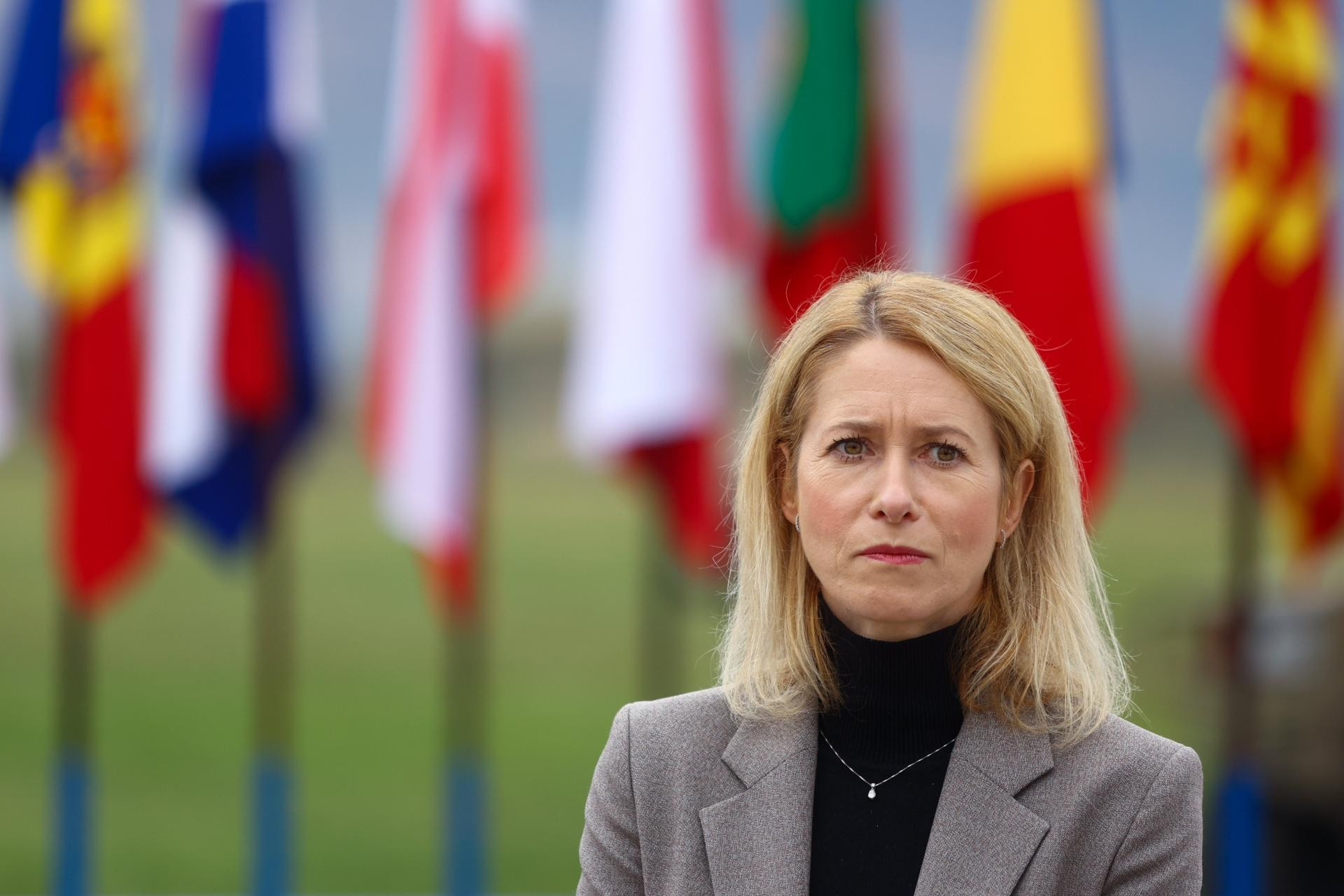
EU’s foreign policy Chief says U.S. remains Europe’s strongest partner even as sharp criticisms in US security strategy spark tension during Ukraine ceasefire efforts.
European Union foreign policy Chief Kaja Kallas says the United States remains Europe’s most important ally, despite a recent US national security document that delivered unusually harsh assessments of the continent’s strategic posture. Speaking Saturday at the Doha Forum in Qatar, Kallas urged both sides to remain aligned as ceasefire negotiations over the war in Ukraine intensify.
Kallas acknowledged that portions of the strategy paper, which accused Europe of lacking “self-confidence” and even facing “civilizational erasure,” touched on issues the bloc must confront. But she pushed back against the broader narrative, stressing that transatlantic unity remains essential at a moment of global instability.
“I think we haven’t always seen eye to eye-Russia on different topics, but the overall principle is still there,” she said. “We are the biggest allies. The United States should help Europe correct its current trajectory, not turn away from it.”
Read Also: NATO Declares Readiness To Shield Europe Amid Rising Tensions
The document’s tone echoed a series of criticisms leveled earlier this year by President Donald Trump’s administration, which has pressed European governments to significantly increase their NATO defense spending. Washington has repeatedly argued that many European states have relied too heavily on US military strength since Russia’s invasion of Ukraine in 2022.
Trump has taken a leading role in shaping current ceasefire proposals. His plan, which has prompted debate in Kyiv and European capitals, would require Ukraine to surrender territories Russia has failed to seize militarily in exchange for security guarantees that fall short of NATO membership. While Kyiv has resisted such concessions, US and Ukrainian officials continued negotiations for a third straight day on Saturday December 7, 2025.
Those talks follow five hours of discussions in Moscow on Tuesday December 2, 2025, where delegations confirmed that Russian President Vladimir Putin remains committed to sweeping territorial demands. After Friday December 5, 2025’s round of meetings, Washington said that “real progress” depends on Russia demonstrating “serious commitment” to de-escalation and an end to the killings.
Kallas warned that pressuring Ukraine to accept Russian terms would undermine long-term stability. “Placing limitations and stress on Ukraine does not bring us lasting peace,” she said. “If aggression is rewarded, we will see it happen again — not only in Ukraine or Gaza, but around the world.”
She added that Europe has often underestimated its own influence, even as concerns grow that the conflict could spill beyond Ukraine’s borders. Kallas said the bloc must remain strategically confident while preserving its partnership with Washington, which she described as central to confronting global security threats.