
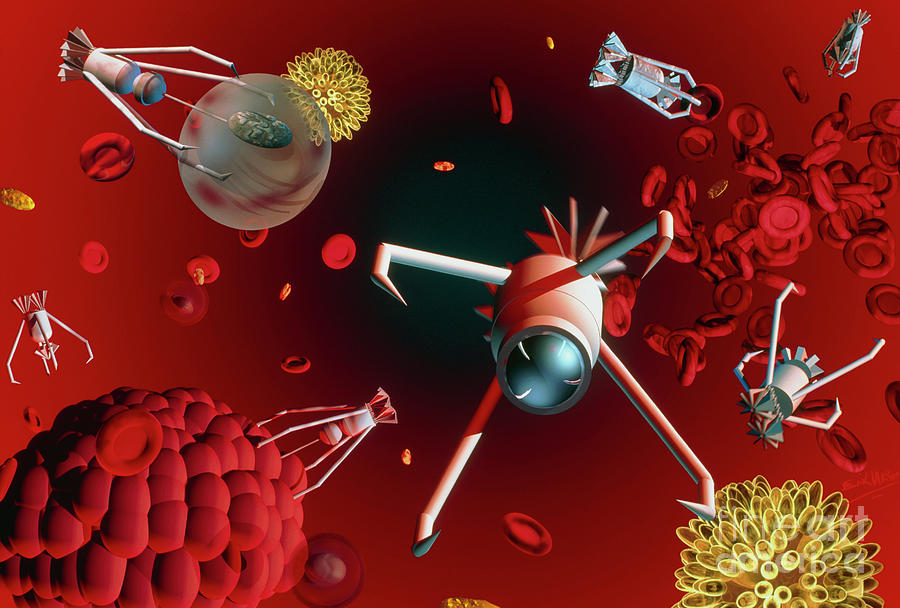
Microscopic robots could clear arterial plaque in minutes, offering a faster, safer alternative to stents, bypasses, and prolonged hospital care.
Swedish researchers have unveiled a breakthrough in cardiovascular care that could dramatically change the treatment of heart disease: microscopic nanobots capable of navigating arteries to remove plaque with unprecedented speed and precision.
The nanobots, designed at a cellular scale, target arterial blockages molecule by molecule, eliminating the need for traditional stents, bypass surgeries, or extended hospital stays. Early studies suggest the technology could clear arteries in mere minutes, potentially preventing heart attacks and strokes before they occur.
For decades, patients with coronary artery disease have faced repeated procedures, slow recovery periods, and high medical costs. This innovation offers a minimally invasive alternative, repairing damage from inside the bloodstream rather than relying on external surgical intervention.
The implications extend beyond individual patient outcomes. If widely adopted, the technology could reduce hospital admissions, cut healthcare costs, and lower mortality rates associated with cardiovascular disease, which remains the leading cause of death worldwide.
Read Also: Nigerian Teenager: Creates Smart Pad To Track Women’
“This is a game-changer,” said Dr. Ingrid Larsson, a cardiologist involved in the research. “We are not just treating symptoms; we are addressing the root causes of heart disease with a level of precision that was unimaginable a decade ago.”
Experts also suggest that the success of nanobots in cardiovascular care could pave the way for broader applications in medicine. Similar micro-scale technology may be used to target cancer cells, repair organs, or treat other complex diseases that currently require invasive procedures or long-term management.
While the technology is still in the experimental stage, early trials have demonstrated promising results in safely navigating blood vessels and effectively clearing plaque without damaging surrounding tissue. Researchers emphasize that regulatory approvals and larger-scale clinical testing are still required before the technology becomes widely available.
The emergence of nanobot-assisted treatments reflects a larger trend in healthcare toward automation, precision medicine, and non-invasive therapies. If successfully deployed, these innovations could fundamentally reshape the economics and logistics of medical care, offering patients faster recovery, lower costs, and improved long-term outcomes.
With these tiny machines, the future of medicine may arrive sooner than expected—turning life-threatening conditions into treatable problems in minutes, rather than months, and signaling a new era in preventive and restorative healthcare.