
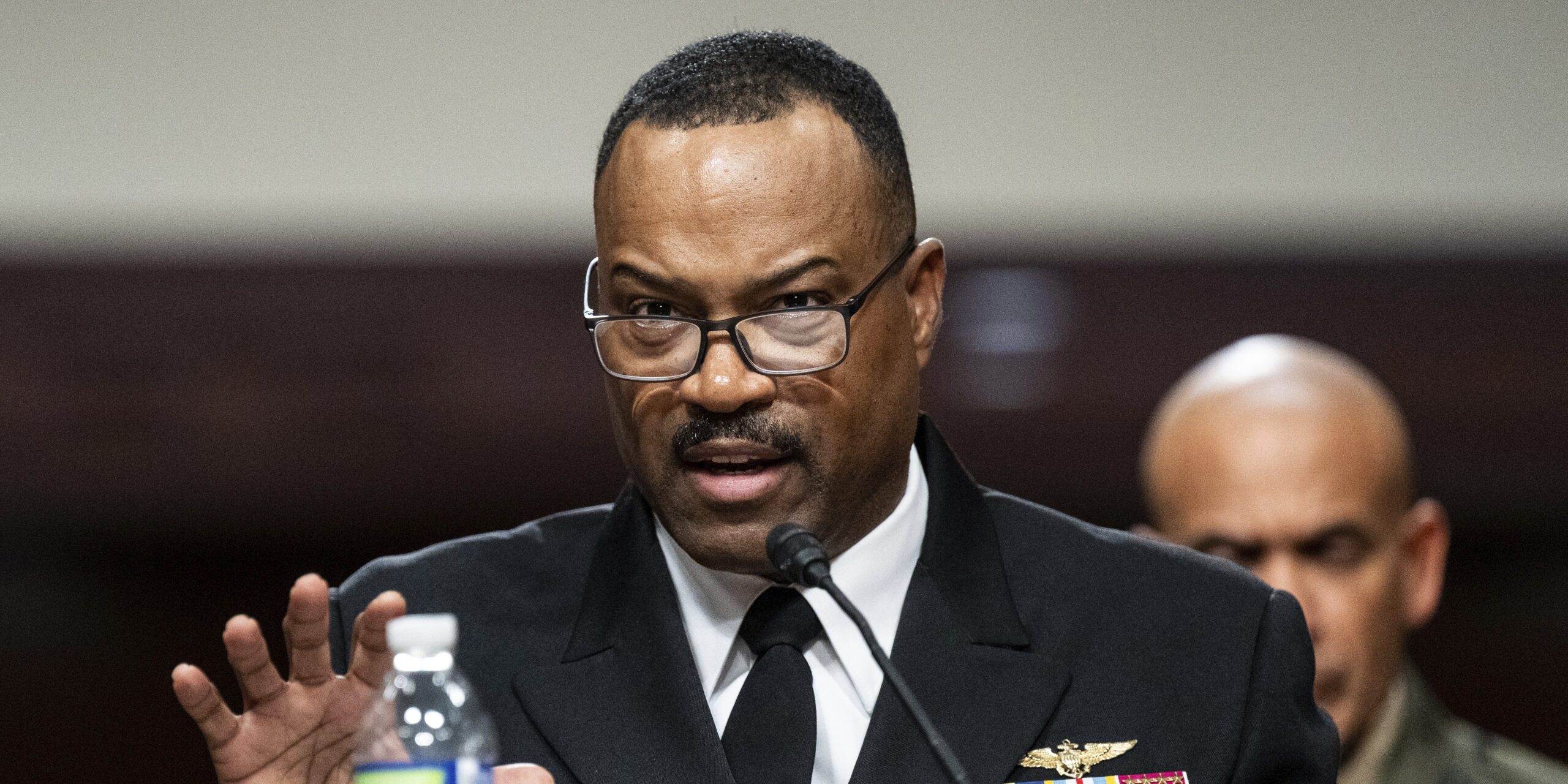
Admiral Alvin Holsey, the commander of U.S. military forces in Latin America, will step down Friday nearly two years ahead of schedule, a move that comes as Washington’s tensions with Venezuela intensify and questions swirl over the direction of U.S. operations in the region.
Holsey’s early exit follows internal friction at the Pentagon, according to three U.S. officials and two people familiar with the matter who spoke with Reuters. Defense Secretary Pete Hegseth had grown dissatisfied with the pace and posture of Southern Command’s planning as the administration sought a more forceful stance in the Caribbean and along Venezuela’s maritime borders.
Two officials said discussions about whether Hegseth would remove Holsey began about two weeks before the surprise announcement of his retirement.
Holsey, 59, has not publicly explained his decision. Some officials privately speculated he had opposed a recent wave of U.S. strikes targeting boats suspected of smuggling drugs in the Caribbean, operations that have resulted in more than twenty deadly engagements.
But in a closed-door briefing with senior lawmakers on Tuesday, Holsey denied any link between the missions and his early departure, according to comments shared by Rep. Mike Rogers and published by Politico.
Holsey’s deputy, Air Force Lt. Gen. Evan Pettus, will take over as acting commander during a ceremony on Friday morning.
A source familiar with internal discussions said President Donald Trump is expected to nominate Lt. Gen. Frank Donovan, the vice commander of U.S. Special Operations Command, as Holsey’s permanent replacement. The source cautioned that the decision has not been finalized and could still change.
Early retirements at senior combatant commands remain unusual but not without precedent. In 2008, Admiral William Fallon resigned one year into his leadership of U.S. Central Command after disagreements over public comments about Iran.
Holsey is the latest in a string of high-ranking officers who have stepped aside since Hegseth took charge of the Pentagon, joining abrupt departures by the chairman of the Joint Chiefs of Staff, C.Q. Brown, and the chief of naval operations, Lisa Franchetti.
Read Also: US Seizes Venezuela Oil Tanker As Trump Announces Operation
Holsey’s departure coincides with the administration’s push to revive a nineteenth-century principle that once defined U.S. influence in the region. A new strategy document released this week called for a return to the Monroe Doctrine, framing the Western Hemisphere as Washington’s sphere of influence.
That shift has been reflected in a growing U.S. military footprint. An aircraft carrier strike group has recently moved into the Caribbean, while new U.S. training teams have deployed to a restored jungle warfare school in Panama.
The policy turn comes as Venezuela’s government escalates confrontations over maritime borders and, this week, seized a commercial oil tanker in disputed waters.