
The Trump administration’s chief overseas envoy, Steve Witkoff, will travel to Berlin this weekend for talks with Ukrainian President Volodymyr Zelensky and senior European leaders, as Washington intensifies its push to broker an end to the war in Ukraine by the end of the year.
Witkoff, who has emerged as the White House’s central intermediary in negotiations with Kyiv and Moscow, is expected to present the latest iteration of a U.S.-backed peace proposal. The talks come amid mounting diplomatic activity but little evidence of an imminent breakthrough.
While the White House has not confirmed the full guest list, the Wall Street Journal reported that Britain’s Prime Minister Keir Starmer, France’s President Emmanuel Macron and Germany’s Chancellor Friedrich Merz are expected to attend, underscoring the stakes for Europe as Washington presses for progress.
The meeting follows Ukraine’s submission this week of a revised 20-point peace plan to the United States, the latest version of a framework that first circulated in late November. At its core lies the most contentious issue of the war: territory. Kyiv continues to reject any proposal that would formalize Russia’s occupation of eastern Ukrainian land, while Moscow has repeated its demand for full control of the Donbas.
Zelensky has voiced particular concern over a U.S. proposal that would see Ukrainian forces withdraw from parts of the region, which would then be designated a “special economic zone.” Under the plan, Russia would pledge not to advance into the vacated areas, creating what amounts to a demilitarised buffer. Zelensky has publicly questioned whether such assurances could be enforced. “What will restrain them from advancing?” he asked. “Or from infiltrating disguised as civilians?”
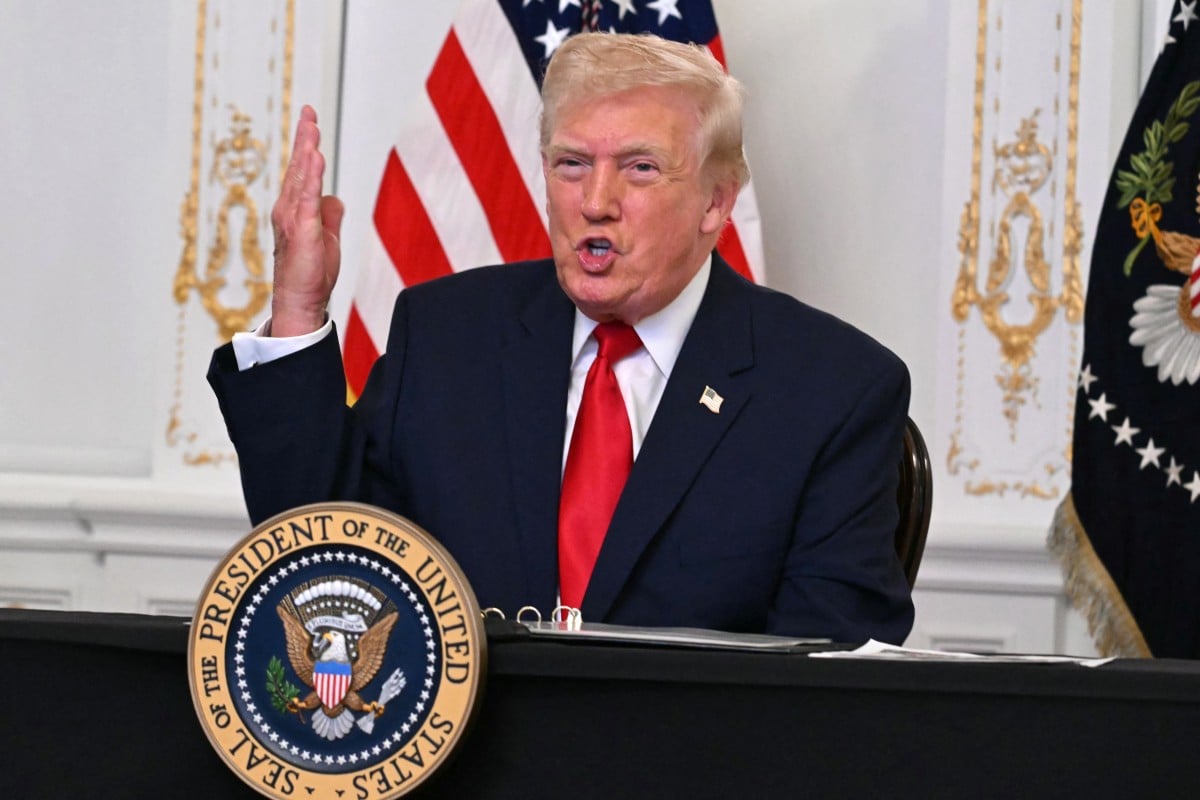
Despite public statements from European leaders describing the talks as constructive, there are signs of growing frustration in Washington. In an interview this week, President Donald Trump criticized European governments as “weak” and renewed calls for Ukraine to hold elections—something suspended under martial law since Russia’s full-scale invasion in 2022. Zelensky said elections could be held within 90 days if security guarantees were provided.
Beyond diplomacy, the financial dimension looms large. Ukraine faces a funding shortfall of €135.7bn over the next two years. On Friday, EU governments agreed to indefinitely freeze €210bn in Russian assets, a move that could allow the funds to be loaned to Kyiv if legal hurdles are cleared. Moscow has denounced the decision as theft and vowed legal action.
Read Also: Inside Tiger Base: Nigeria’s Hidden Atrocity—Intro
Meanwhile, the latest draft of the peace plan envisions Ukraine fast-tracking its entry into the European Union, potentially by 2027—an ambitious timeline that would reshape both Ukraine’s future and Europe’s political landscape.
As Witkoff arrives in Berlin, the talks reflect not only the urgency of ending the war, but the growing complexity of how peace—if it comes—would be sustained.