
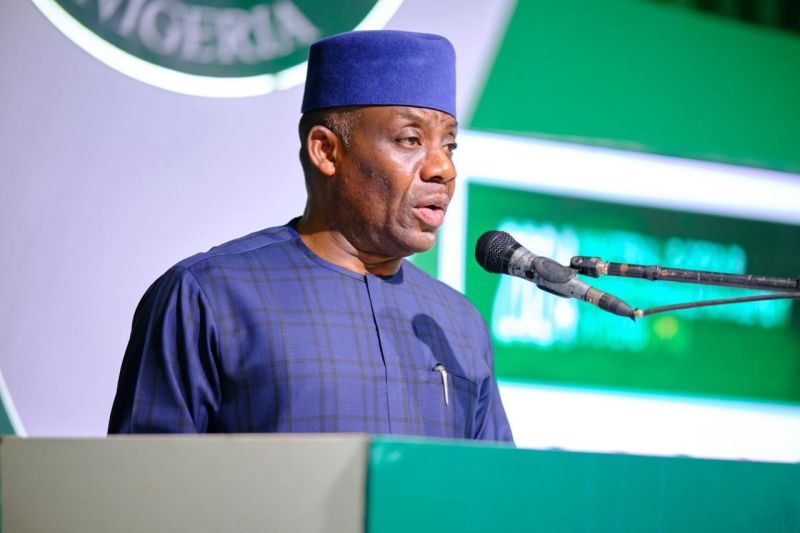
Federal Government restricts senior secondary transfers to curb exam malpractice and restore credibility in Nigeria’s education system.
Nigeria’s Federal Government has announced a sweeping ban on the admission and transfer of students into Senior Secondary School Three (SS3), affecting both public and private secondary schools nationwide.
The policy, unveiled on Sunday December 14, 2025, represents a major shift in the country’s student placement system and targets long-standing concerns over examination integrity. Education authorities say the measure aims to restore discipline and credibility in senior secondary education, particularly at the critical final-year level.
According to the Federal Ministry of Education, the decision responds to a rising trend of examination malpractice, including the use of unauthorized “special centers” for national exams. Such practices, the ministry said, have eroded public confidence in Nigeria’s education system.
“The integrity and credibility of Nigeria’s education system, especially at the senior secondary level, have been undermined by these activities,” the ministry said in a statement. “The new policy is designed to discourage last-minute transfers that give students unfair examination advantages, promote continuity in learning, and strengthen academic monitoring.”
Read Also: Nnena Kalu Makes History As First Disabled Turner Prize Winner
Under the new rule, which will take effect in the 2026/2027 academic session, schools will only be permitted to admit or transfer students into Senior Secondary School One (SS1) and Senior Secondary School Two (SS2). Admission or transfer into SS3 will be prohibited under any circumstances.
School proprietors, principals, and administrators have been directed to comply fully with the policy. The ministry warned that violations would attract sanctions in line with existing education regulations, emphasizing that enforcement will be strict and non-negotiable.
Education experts say the policy could have wide-ranging effects on student mobility, school competition, and examination outcomes, but they largely support it as a step toward fairness and improved standards in Nigeria’s secondary education system.
The move also aligns with broader Federal Government reforms aimed at strengthening academic standards, reducing examination-related fraud, and promoting transparency in public examinations nationwide. Officials believe these changes will not only improve educational outcomes but also restore global confidence in Nigeria’s academic credentials.
As the 2026/2027 academic year approaches, schools and students alike will have to adjust to the new framework, signaling a significant transformation in how secondary education is managed and monitored across the country.