
High-level delegation secures release of 11 Nigerian Air Force personnel, boosting regional cooperation and stability amid Sahel security challenges.
Burkina Faso has released 11 Nigerian Air Force (NAF) personnel following intensive diplomatic engagement by Nigeria, ending a standoff that drew attention to security and cooperation challenges in the Sahel region.
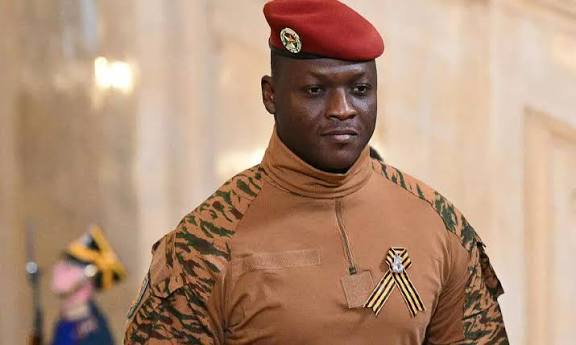
The release came after a high-level Nigerian delegation, led by Foreign Affairs Minister Ambassador Yusuf Tuggar, met with Burkinabè authorities, including President Captain Ibrahim Traoré, in Ouagadougou. The talks focused on easing tensions and resolving the issue through dialogue rather than escalation.
A spokesperson for Nigeria’s Ministry of Foreign Affairs, Kimiebi Ebienfa, confirmed the outcome, saying the release “reflects the success of constructive dialogue and Nigeria’s commitment to peaceful engagement with its neighbors.”
The Nigerian delegation also included senior officials from the Ministry of Defense and NAF Headquarters, tasked with clarifying circumstances surrounding the detention and preventing further diplomatic friction. Reports indicate that the team worked closely with Burkinabè counterparts to ensure a smooth resolution.
Read Also: Nigerian Military Aircraft Detained In Burkina Faso Dispute
A senior official familiar with the mission highlighted its broader strategic significance, noting that the visit reinforced Nigeria’s commitment to international aviation and military protocols while deepening regional ties. “It was a confidence-building initiative designed to strengthen trust and reaffirm shared responsibilities in addressing complex security challenges in the Sahel,” the official said.
Prior to the release, the Nigerian government had dismissed online claims suggesting that a C-130 aircraft was forced to land in Burkina Faso over espionage allegations. Authorities described the reports as false and misleading, emphasizing that the mission was routine and fully compliant with international standards.
Officials from both countries expressed optimism that the resolution would enhance bilateral cooperation, particularly in security coordination and intelligence sharing. The outcome is expected to bolster collective efforts to promote peace and stability across West Africa, a region grappling with insurgency, cross-border crime, and migration pressures.
The successful negotiation underscores the importance of sustained diplomatic engagement in resolving disputes and maintaining regional stability. Analysts note that the case highlights the role of dialogue and trust-building in preventing escalation, particularly in geopolitically sensitive regions like the Sahel.
By securing the release of its personnel, Nigeria has reinforced its reputation as a regional actor committed to peaceful dispute resolution and strengthened its ties with Burkina Faso, signaling a cooperative approach to addressing the complex security challenges facing West Africa.