
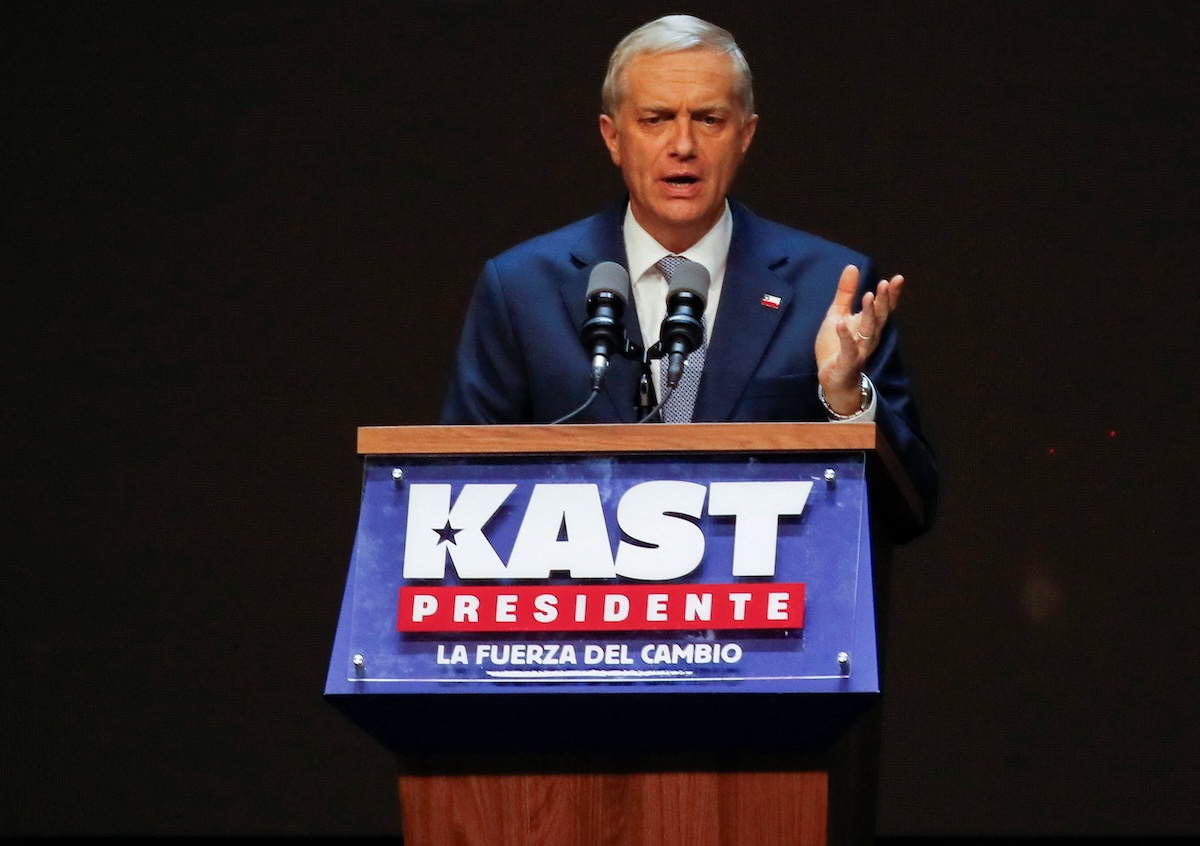
Far-right leader José Antonio Kast vows mass deportations and stricter border controls amid rising public concern over immigration and security.
Chile’s newly elected President, José Antonio Kast, has promised to launch a major crackdown on undocumented migrants following his decisive victory in Sunday’s election, winning more than 58% of the popular vote. The far-right politician built his campaign around immigration and crime, pledging stricter border enforcement, a border wall, and mass deportations of illegal residents.
Official figures show that by 2023, nearly two million non-nationals were living in Chile, representing a 46% increase from 2018. Government estimates indicate that roughly 336,000 of those are undocumented, many of them Venezuelans. Rapid population growth among foreign-born residents has fueled concerns over pressure on public services and local infrastructure.
Kast’s supporters argue that his policies aim to regulate legal migration rather than block it outright. Jeremías Alonso, a Kast backer, told the BBC that the government’s priority should be ensuring foreigners enter Chile “properly through the door, not through the window.” Alonso said his community has felt the social impact of irregular immigration, including heightened fears around crime and safety, though he emphasized that legal refugees would still be welcomed.
Read Also: Chile Election 2025: Chileans Vote In High-stakes Presidential Race
The president-elect has faced criticism for his hardline stance and past praise of General Augusto Pinochet, Chile’s former military dictator. Observers also note his family background, including a German-born father affiliated with the Nazi Party and a brother who served in Pinochet’s government.
Kast has linked rising crime rates to immigration in his campaign rhetoric, tapping into widespread public concern over security issues such as organized crime, drug trafficking, thefts, and carjackings. Analysts, however, point out that overall homicide rates in Chile have fallen since peaking in 2022, and studies suggest migrants commit fewer crimes on average than native residents.
Despite his electoral success, Kast’s party does not hold a working majority in the national parliament, which may limit his ability to fully implement his agenda. Some proposed measures—including maximum-security prisons and tougher sentencing laws—may face modifications or compromise during legislative negotiations.
Kast’s victory underscores a shift in Chilean politics, reflecting growing voter anxiety over immigration and public safety, even as questions remain about how his government will balance security priorities with international human rights obligations and legal migration policies.