
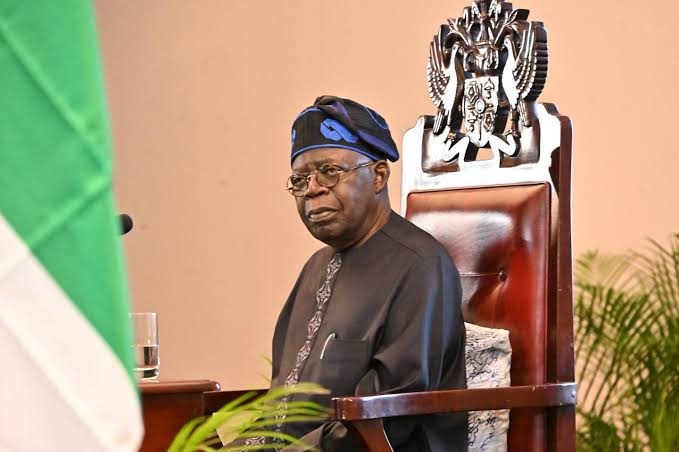
Presidency rejects claims of altered legislation, and says landmark reforms signed by President Bola Tinubu will take effect January 1, 2026 nationwide.
Nigeria’s Presidency said on Tuesday that implementation of the country’s newly enacted tax reform laws will proceed as scheduled, dismissing opposition criticism and allegations that key provisions were secretly altered after legislative approval.
The reforms, signed into law by President Bola Tinubu, are due to take effect on January 1, 2026, and represent what the government has described as the most sweeping overhaul of Nigeria’s tax system in decades. Officials say the changes are critical to boosting revenue, simplifying compliance, and reducing inefficiencies across federal, state, and local governments.
The presidency’s position comes amid mounting political pressure from opposition leaders and civil society groups who have called for a suspension of the reforms. Former Vice President Atiku Abubakar and Peter Obi, the Labour Party’s 2023 presidential candidate, are among those urging the government to pause implementation until concerns over the legislative process are addressed.
At the center of the dispute are claims that the versions of the tax laws gazetted and released to the public differ from the bills debated and passed by the National Assembly. Abdussamad Dasuki, a member of the House of Representatives, raised the issue during a plenary session, warning that any unapproved changes could expose the laws to legal challenges.
Dasuki argued that lawmakers must be allowed to scrutinize all harmonized versions of the bills, voting records, and proceedings from both chambers to ensure the integrity of the process. He called on the House leadership to submit the documents to a committee of the whole for full review.
Read Also: Nigerian Government Extends Tax Holidays For 149 Pioneer Firms
The presidency has firmly rejected the allegations. Temitope Ajayi, Senior Special Assistant to the President on Media and Publicity, said there is no evidence that the tax laws were altered after passage. He described the controversy as politically motivated and aimed at undermining a major government policy.
Ajayi said the reforms were enacted through due process and that relevant agencies have already been preparing for implementation for months. He added that an inter-agency implementation committee has been at work for the past six months and will not be distracted by what he called “opposition noise.”
“Opposition figures can say whatever they like,” Ajayi said, “but no competent authority has established that the laws were changed in any way.”
The House of Representatives has since set up a committee, led by Finance Committee Chairman James Faleke, to examine the allegations. Ajayi said the government would respect the outcome of the review but stressed that the timeline for implementation remains unchanged.
The tax reforms are a key pillar of President Tinubu’s economic agenda, as Nigeria grapples with budget deficits, high debt servicing costs, and pressure to expand its narrow tax base. Government officials argue that delaying the reforms would undermine fiscal stability and investor confidence at a critical time for Africa’s largest economy.