
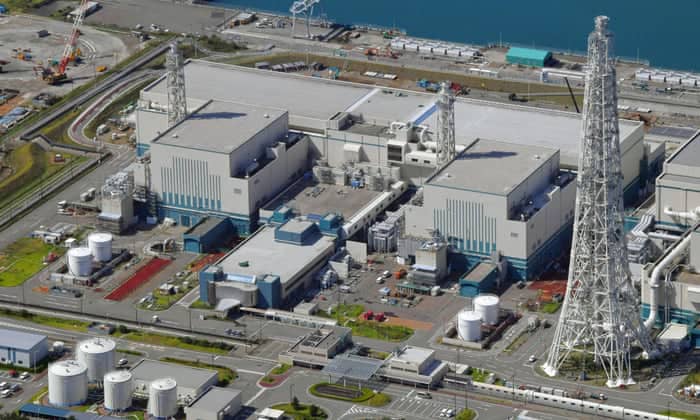
Japan has cleared the last political hurdle to restart the Kashiwazaki-Kariwa nuclear power plant, a decision that marks a decisive turn in the country’s long, uneasy return to nuclear energy nearly 15 years after the Fukushima disaster reshaped public trust and national policy.
The final approval came Monday when Niigata’s regional assembly passed a confidence vote in Governor Hideyo Hanazumi, who had endorsed the restart last month. The vote effectively gives Tokyo Electric Power Company, or TEPCO, the green light to bring the world’s largest nuclear plant back online. Kashiwazaki-Kariwa, located on the Sea of Japan coast about 220 kilometers from Tokyo, was shuttered in 2011 along with dozens of other reactors after an earthquake and tsunami triggered the Fukushima Daiichi meltdown.
For Japan’s central government, the moment is strategic. With energy prices volatile and imported fossil fuels still dominating the power mix, officials see nuclear energy as a stabilizer. Fourteen reactors have already resumed operations nationwide, and Kashiwazaki-Kariwa would be the first restart overseen by TEPCO itself, a company still closely associated in the public mind with Fukushima.
Read also: Toyota To Sell US-Built Vehicles In Japan Under Trump Policy
Governor Hanazumi described the vote as a milestone rather than a conclusion. He stressed that safety assurances must remain ongoing, an acknowledgment of the deep skepticism that persists across the prefecture. During the assembly session, lawmakers clashed sharply, with opponents accusing the government of forcing a political settlement that ignores public anxiety. Outside the building, several hundred protesters held placards rejecting the restart and invoking the memory of Fukushima.
Their fears are not abstract. Surveys conducted by the prefecture show that a majority of residents believe conditions for a restart have not been met, and nearly 70 percent remain uneasy about TEPCO’s ability to manage the facility. Among the protesters was Ayako Oga, who fled Fukushima in 2011 and still lives with the psychological scars of displacement. For her, the revival of nuclear power is not progress but a reopening of wounds.
TEPCO says it is committed to never repeating past failures and has pledged significant investment in the region to rebuild trust. The company is considering restarting the first reactor as early as January, a move that could boost electricity supply to the Tokyo area by an estimated two percent.
National leaders argue the stakes extend beyond Niigata. Japan spent more than 10 trillion yen last year on imported energy, and demand is expected to rise as data centers and digital infrastructure expand. To meet climate targets and strengthen energy security, the government aims to double nuclear power’s share of electricity generation by 2040.