
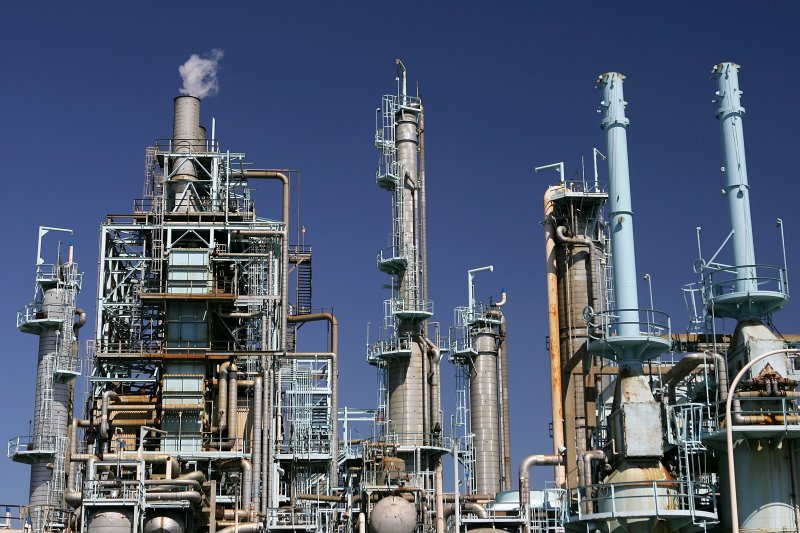
After years offline, Ghana’s Tema Oil Refinery resumes crude processing, reducing fuel imports and strengthening domestic energy supply.
Ghana’s Tema Oil Refinery (TOR) has resumed crude oil processing after several years of dormancy, marking a critical step toward boosting the country’s energy security. Operations restarted Friday, December 19, 2025, following a major maintenance program on the refinery’s crude distillation unit (CDU).
The turnaround maintenance, which ran from August 1 to October 30, 2025, included comprehensive system checks and upgrades. For the first time in years, petroleum product streams were successfully routed to storage tanks, signaling a return to operational stability.
The National Petroleum Authority (NPA) conducted thorough inspections and confirmed that TOR met all international safety and operational standards before granting approval to resume processing.
TOR will operate in a phased approach over the coming months to stabilize systems, optimize performance, and ensure sustained reliability. Among the key upgrades is a newly installed furnace, F-61, which will restore the refinery’s full crude processing capacity to 45,000 barrels per stream day, up from the current 28,000 barrels. Plans are underway to further expand capacity to 60,000 barrels per stream day with the addition of a new air-cooler. A formal commissioning date for the furnace has yet to be announced.
Read Also: Ghana Deports Israelis As Airport Row Widens
President John Dramani Mahama and Energy and Green Transition Minister John Abdulai Jinapor were credited by TOR for their support in overseeing the refinery’s restart. Company officials also acknowledged the efforts of the board, management, and workforce in executing the complex maintenance program.
The restart of TOR is expected to reduce Ghana’s reliance on imported refined petroleum products, potentially stabilizing domestic fuel prices and reinforcing energy self-sufficiency. Analysts highlight that restoring full refinery operations could have a ripple effect on the broader economy, from industrial production to transportation sectors.
Energy experts say the successful reboot of TOR underscores Ghana’s commitment to modernizing its energy infrastructure and aligns with regional ambitions to expand refining capacity across West Africa.
As TOR gradually ramps up production, the refinery is poised to play a pivotal role in meeting domestic fuel demand, creating jobs, and strengthening Ghana’s strategic position in the West African petroleum market. The restart also signals a renewed focus on long-term sustainability and self-reliance in the country’s energy sector.