
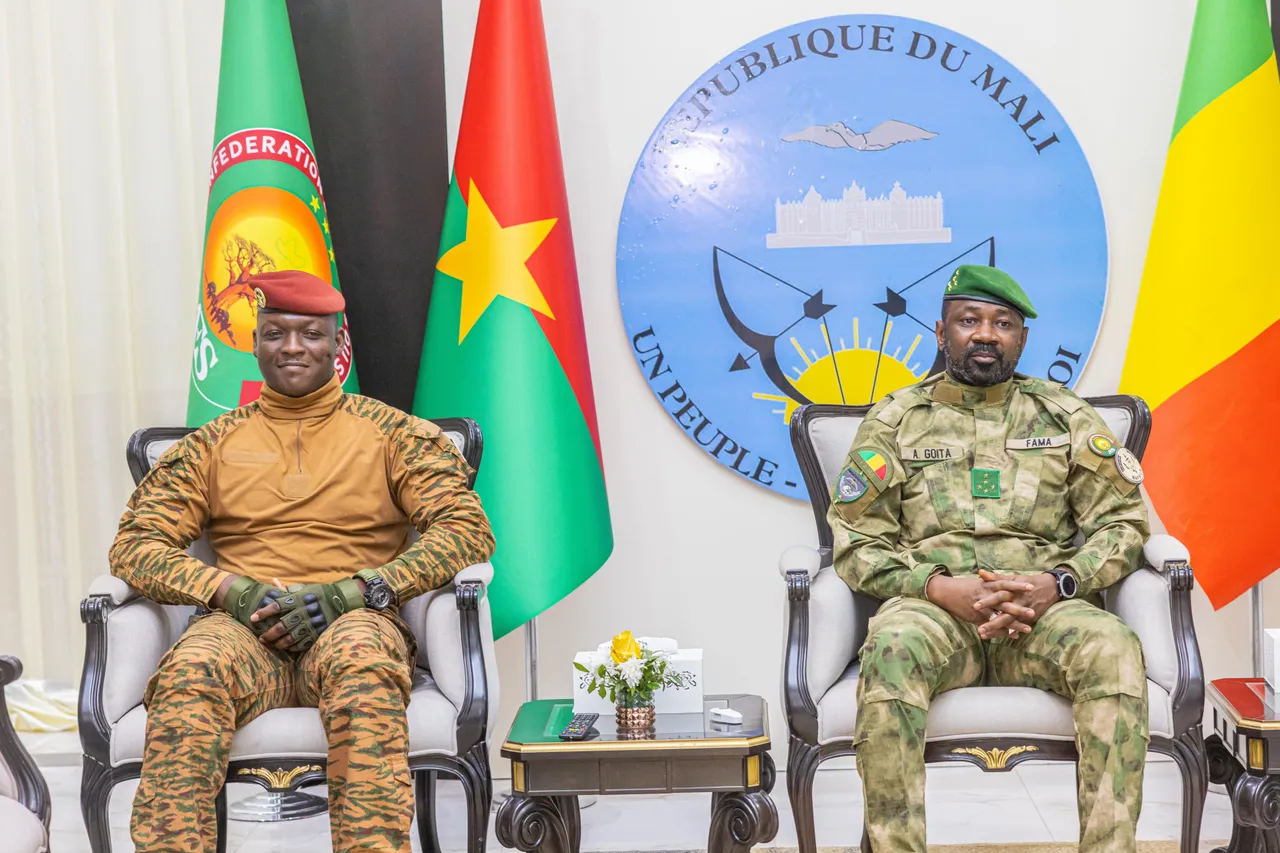
Mali and Burkina Faso announced new travel restrictions on U.S. citizens late Tuesday, saying the move was a direct response to Washington’s decision to impose a sweeping entry ban on their nationals.
In separate statements, the two West African governments said the measures were based on reciprocity after the Trump administration added them to a list of countries facing a full U.S. travel ban earlier this month.
The White House said on December 16 that President Donald Trump had expanded travel restrictions to include Mali, Burkina Faso, and five other nations. The ban, which is set to take effect on January 1, applies to countries the administration described as having serious shortcomings in screening, vetting, and information sharing related to security concerns.
Mali’s foreign ministry said the decision by Washington was taken without prior consultation and rejected the justification offered by U.S. officials.
The ministry said the rationale was not supported by what it called actual conditions on the ground, according to a statement released Tuesday.
Burkina Faso issued a similar response, confirming that U.S. citizens would now face restrictions equivalent to those imposed on Burkinabè nationals seeking entry into the United States.
The moves by Mali and Burkina Faso reflect a broader trend among West African states targeted by U.S. travel measures.
On December 25, neighboring Niger announced it would stop issuing visas to U.S. citizens, according to its state media, citing a diplomatic source.
Read Also: Guinea-Bissau Coup Protests Ban Issued Ahead Of ECOWAS Talks
Earlier this year, Chad also suspended visa issuance to Americans after it was included on a previous list of countries affected by U.S. travel restrictions.
The U.S. travel ban has drawn criticism from several governments, which argue that the policy risks worsening diplomatic relations and limiting cooperation on security and migration issues.
The White House has defended the restrictions as necessary to protect national security and public safety.
It remains unclear how long the reciprocal bans will stay in place or whether diplomatic talks could lead to changes before the U.S. measures take effect at the start of the new year.