
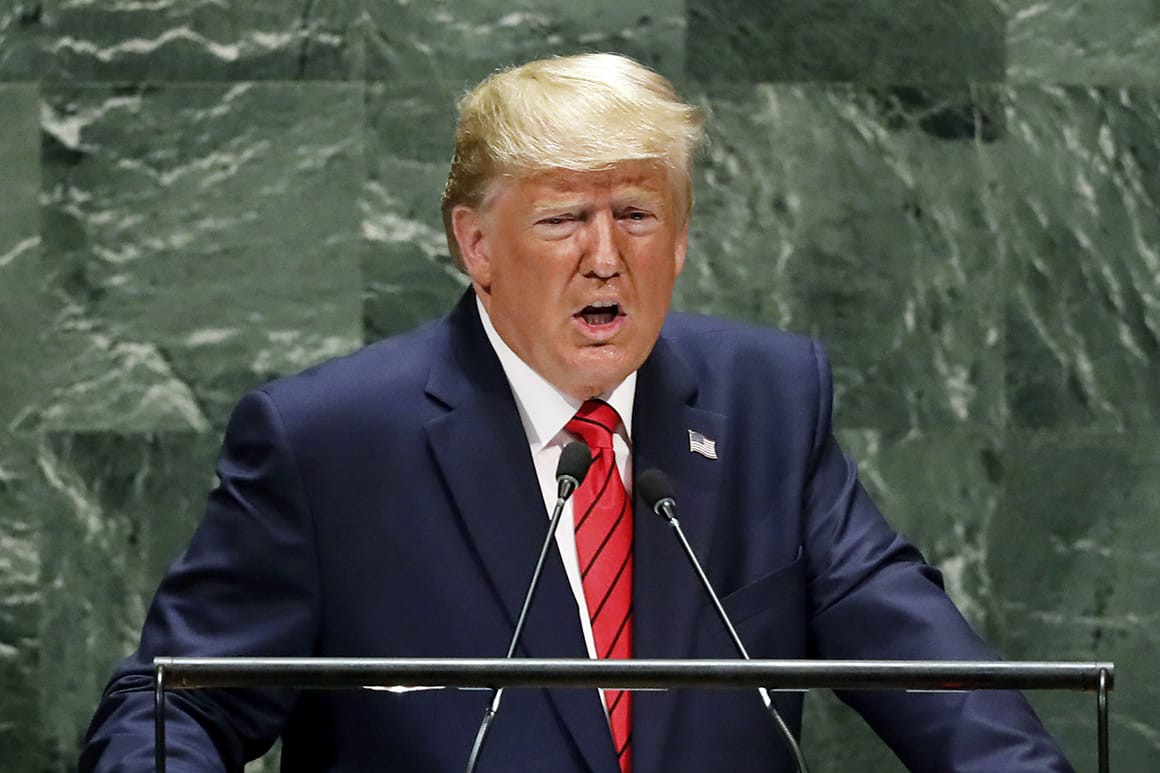
United States President Donald Trump has announced a sweeping decision to pull the country out of 66 United Nations bodies and international organizations, signalling a sharp retreat from multilateral cooperation on climate change, democracy, public health and conflict prevention.
In a presidential memorandum released by the White House on Wednesday night, Trump said the move followed an internal review of international agreements and institutions deemed inconsistent with what his administration describes as America’s national interest. As part of the decision, the United States will not only end its participation but also halt all financial contributions to the affected organizations.
The list includes 35 non UN bodies and 31 UN affiliated entities, among them some of the most influential platforms for global cooperation. Organizations affected range from climate science and environmental protection to democratic governance and humanitarian work. The withdrawal covers bodies involved in climate assessments, electoral assistance, conservation, maternal and child health, and the protection of civilians caught in armed conflict.
Read also: US Attempts To Seize Russia-Flagged Oil Tanker In Atlantic
One of the most consequential exits is from the UN Framework Convention on Climate Change, the central mechanism guiding global climate negotiations. Also affected are UN agencies focused on democracy promotion and reproductive health, as well as offices tasked with monitoring violations against children in war zones. Together, these institutions form a large part of the international system designed to coordinate responses to shared global challenges.
The announcement has prompted concern within diplomatic circles, especially given Washington’s continued influence at the United Nations. Despite its stated disengagement, the United States remains one of the most powerful actors in the system, holding veto power at the UN Security Council and exerting significant pressure through sanctions and diplomatic leverage. Trump has previously used that influence aggressively, including threats against diplomats, sanctions on UN officials, and pressure campaigns tied to votes on sensitive geopolitical issues.
Since returning to office, Trump has already reinstated withdrawals from the World Health Organization, the Paris climate agreement and the UN Human Rights Council, reversing reengagement efforts made under the previous administration. The formal exit from the WHO is scheduled to take effect in January 2026, a move that will leave a major funding gap for global health programs addressing pandemics and infectious diseases.
Critics warn the latest withdrawals could weaken international cooperation at a time of overlapping global crises, from climate disruption to armed conflict. Supporters within Trump’s political base, however, see the move as a reassertion of sovereignty and a rejection of institutions they argue constrain US decision making.