
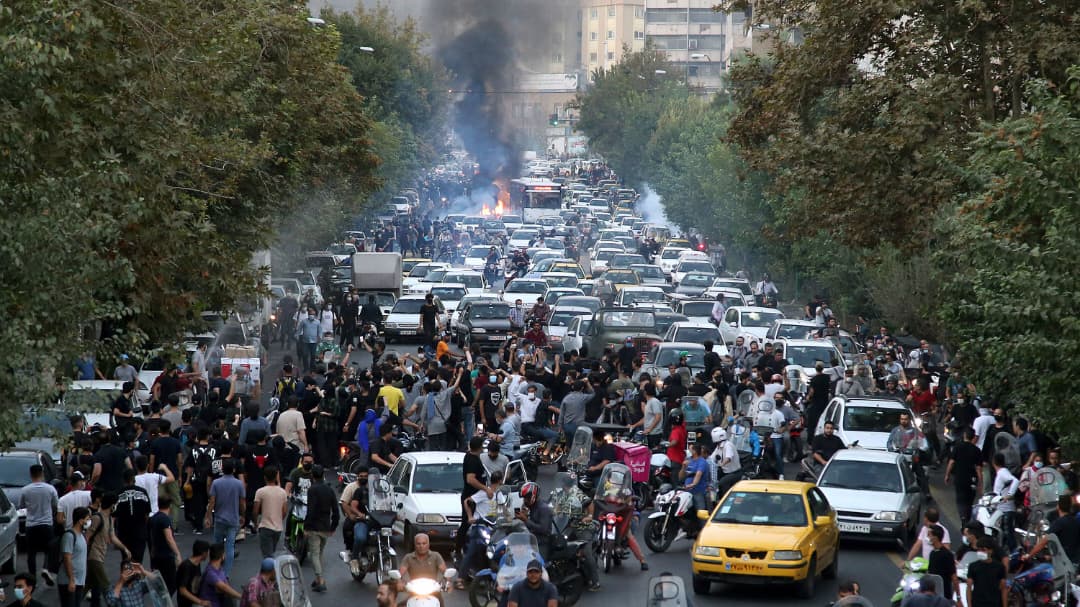
Iran’s government shut down internet access and international telephone services on Thursday night as protests spread across the country following a call for demonstrations by exiled crown prince Reza Pahlavi. The blackout coincided with large numbers of people chanting from windows and taking to the streets in cities and rural towns, actions that continued into Friday morning.
The demonstrations marked the first major test of Pahlavi’s ability to influence public anger that has been building over Iran’s worsening economic conditions. Protesters were heard shouting slogans against the Islamic Republic and the country’s leadership, with some openly praising the former shah, a rare and risky act that reflected the depth of public frustration.
Markets and traditional bazaars in several areas closed in apparent solidarity with protesters, signalling wider participation beyond nighttime rallies. Human rights monitors reported that at least 42 people have been killed since the unrest began, while more than 2,270 individuals have been detained. The growing scale of the protests has increased pressure on Iran’s civilian authorities and Supreme Leader Ayatollah Ali Khamenei.
Internet monitoring groups said the nationwide outage was the result of direct government interference. International calls into Iran failed, cutting the country’s population of more than 85 million off from the outside world. Such communication shutdowns have previously preceded intensified security crackdowns.
Read also: Japanese Nuclear Official Loses Phone With Classified Data
Despite the scale of the unrest, the protests remain largely leaderless. Analysts note that the absence of an organised alternative leadership has weakened past protest movements in Iran. Pahlavi has sought to position himself as a unifying figure, but it remains unclear whether his call will translate into sustained political momentum on the ground.
Speaking after the blackout began, Pahlavi said Iranians had demanded freedom and were met with isolation tactics. He urged European governments and the United States to help restore communication channels and apply diplomatic pressure on Iranian authorities to allow protesters’ voices to be heard.
Iranian officials have not publicly acknowledged the full extent of the demonstrations. State media focused instead on routine programming and government initiatives. However, reports from official and semi-official outlets indicated that violence accompanied the unrest in some areas. Security personnel were reportedly killed or injured in several incidents, including stabbings, shootings, and attacks on police stations in different provinces.
Security forces appeared to be taking the protests seriously. Hardline media circulated warnings that technology such as drones could be used to identify participants. As demonstrations continue, uncertainty remains over whether the movement will gain clearer direction or face harsher suppression in the days ahead.