
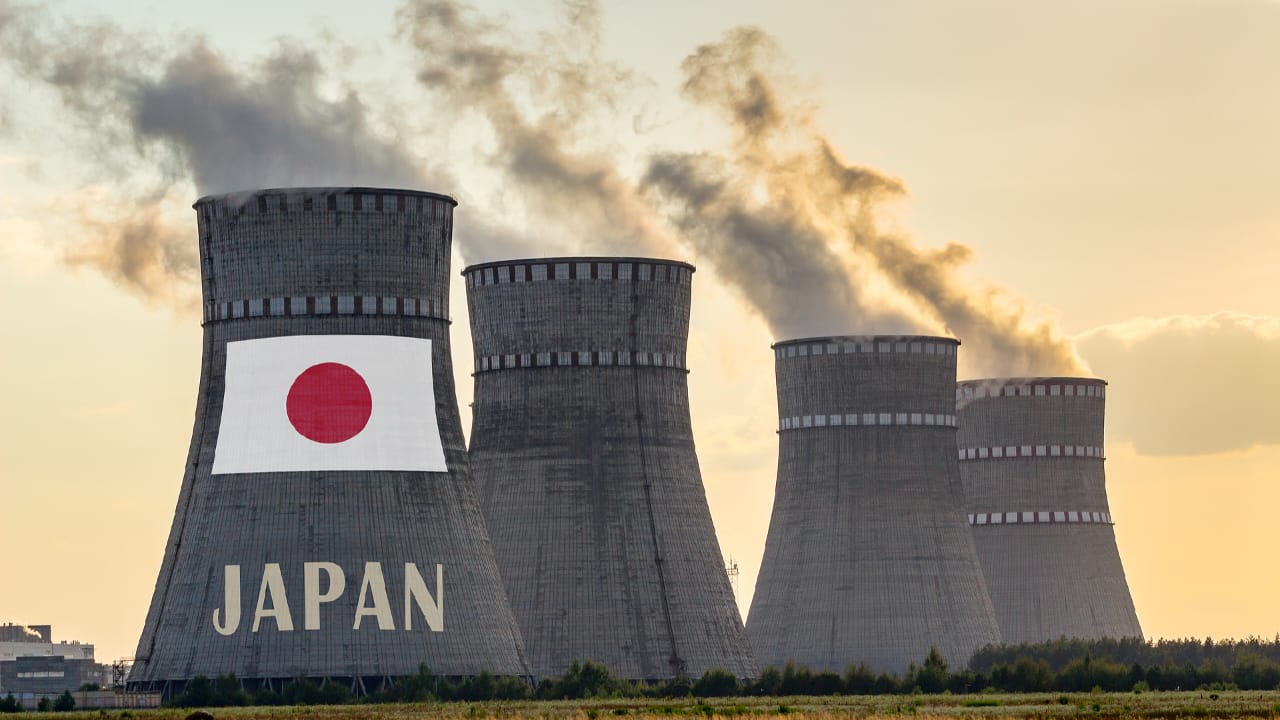
The world’s largest nuclear power plant is set to resume operations on Wednesday for the first time since Japan shut down its nuclear fleet following the 2011 Fukushima disaster, a decision that has revived deep unease among residents living near the site despite assurances from authorities and the plant’s operator.
Tokyo Electric Power said it would begin restarting one reactor at the Kashiwazaki Kariwa facility in Niigata province after receiving final approval from regulators earlier in the day. The company said preparations were under way to remove the control rods shortly after 7:00 pm local time, marking a symbolic and operational milestone nearly fifteen years after the Fukushima meltdown upended Japan’s energy policy.
The restart follows approval last month by Niigata Governor Hideyo Hanazumi, although surveys show the local population remains divided. A poll conducted in September found that around 60 percent of residents oppose bringing the plant back online, while 37 percent support the move. On Tuesday, a small group of mostly elderly protesters gathered in freezing conditions near the plant’s entrance along the Sea of Japan coast, voicing fears about safety and fairness.
Several residents questioned why their communities should bear the risks of nuclear power generation when most of the electricity is transmitted to the Tokyo metropolitan area. Others pointed to lingering distrust of TEPCO, which also operates the crippled Fukushima Daiichi plant that remains in the long process of decommissioning.
Read also: Japan Snap Election Puts Takaichi Agenda to Voters Test
Kashiwazaki Kariwa is the largest nuclear complex in the world by capacity, although only one of its seven reactors is being restarted for now. The entire facility was taken offline after the 2011 earthquake and tsunami triggered meltdowns at Fukushima, killing about 18,000 people and forcing Japan to abandon nuclear power almost overnight.
Japan’s government has since shifted course, driven by high fuel import costs, climate commitments, and surging electricity demand from data centers and artificial intelligence. Prime Minister Sanae Takaichi has backed nuclear energy as a pillar of the country’s long term strategy. Fourteen reactors across Japan have already resumed operations under tougher safety standards, with 13 running as of mid January.
At Kashiwazaki Kariwa, TEPCO has installed a 15 metre tsunami wall, elevated emergency power systems, and additional safeguards. Even so, critics argue evacuation plans are unrealistic and point to the plant’s location near active seismic faults, including damage it sustained during a strong earthquake in 2007. Earlier this month, opponents submitted a petition with nearly 40,000 signatures urging regulators to halt the restart.
Japan’s nuclear sector has also faced renewed scrutiny following recent incidents and data falsification cases elsewhere in the industry. TEPCO disclosed over the weekend that an alarm system malfunctioned during a test at the Niigata plant, reinforcing public skepticism.
Nuclear power once supplied about a third of Japan’s electricity. Today, nearly 70 percent comes from fossil fuels, a dependence Tokyo wants to sharply reduce over the next 15 years. Under current plans, nuclear energy would account for roughly 20 percent of supply by 2040, even as the cleanup at Fukushima is expected to take decades.