
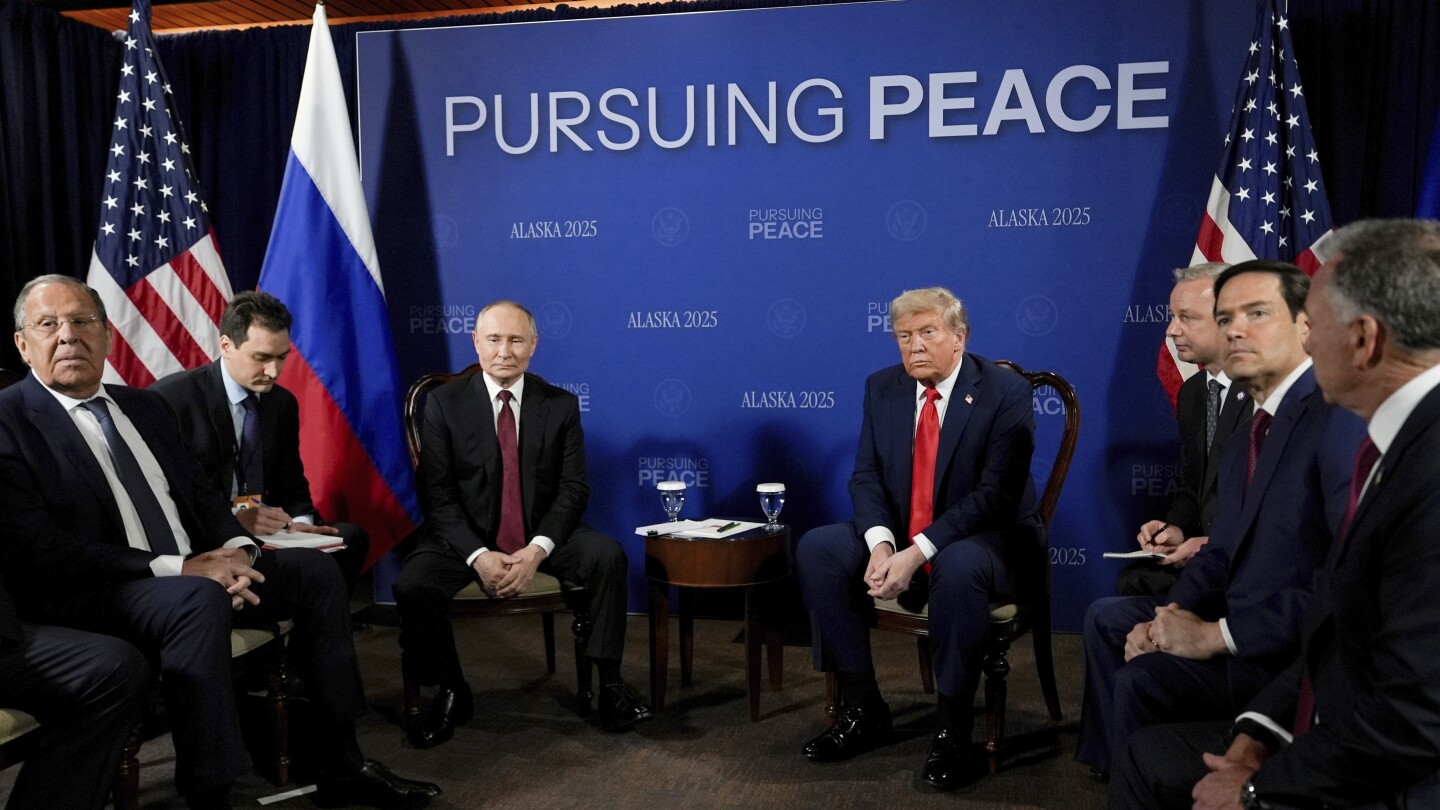
Ukrainian and Russian negotiators convened in Abu Dhabi on Friday for talks dominated by the contentious question of territory, with little indication that either side is prepared to soften its position, even as Russian airstrikes deepen what Ukrainian officials describe as the country’s most severe energy crisis since the war began. The discussions are taking place under growing pressure from the United States, which has intensified efforts to push both sides toward a settlement in the conflict sparked by Russia’s full scale invasion of Ukraine in February 2022.
President Volodymyr Zelenskiy confirmed that territorial control remains the core issue in the negotiations, which involve delegations from Ukraine and Russia alongside US mediators and are expected to continue through Saturday. Speaking on Telegram, Zelenskiy said the essential question is whether Moscow is genuinely prepared to bring the war to an end. He added that he remains in close contact with Ukraine’s negotiating team but cautioned that it was too soon to assess the outcome of the initial round of talks, noting that the direction of discussions would become clearer after further meetings.
Ukraine’s delegation is led by Rustem Umerov, secretary of the National Security and Defence Council, who said the talks focused on possible frameworks for ending the war and on shaping the broader negotiation process. The Abu Dhabi meeting follows Zelenskiy’s encounter with US President Donald Trump earlier in the week at the World Economic Forum in Davos, where discussions included long term security arrangements. Zelenskiy later said that an agreement on US security guarantees for Ukraine had been finalized, with only the timing and venue for its signing still to be agreed with Trump.
Kyiv has consistently argued that binding security guarantees from Western partners are essential to prevent future Russian aggression under any peace deal. These diplomatic efforts are unfolding as Russia intensifies strikes on Ukraine’s energy infrastructure, leaving parts of the country without reliable electricity and heating during a period of severe winter cold. Ukraine’s largest private energy producer warned that the situation is approaching a humanitarian emergency, while government officials described this week as the most challenging for the power grid since major blackouts in late 2022.
Read also: Ukraine Peace Talks Near Final Hurdle, Says U.S. Envoy
Moscow maintains that it is open to diplomacy but insists it will continue military operations until its objectives are met. A central demand from President Vladimir Putin is that Ukraine relinquish all of the Donbas region, including areas Kyiv still controls after nearly four years of prolonged fighting. Zelenskiy has repeatedly rejected surrendering territory that Russian forces have failed to seize, a stance that aligns with public opinion inside Ukraine, where support for territorial concessions remains low.
The Kremlin reiterated on Friday that full Ukrainian withdrawal from Donbas is a non negotiable condition. Sources close to Russian officials say Moscow favors an arrangement that would formalize its control over Donbas while freezing existing front lines elsewhere in eastern and southern Ukraine. Russia has also suggested redirecting frozen Russian assets held in the United States toward rebuilding occupied areas, an idea Zelenskiy dismissed outright, insisting that reparations must flow to Ukraine, not the other way around.