
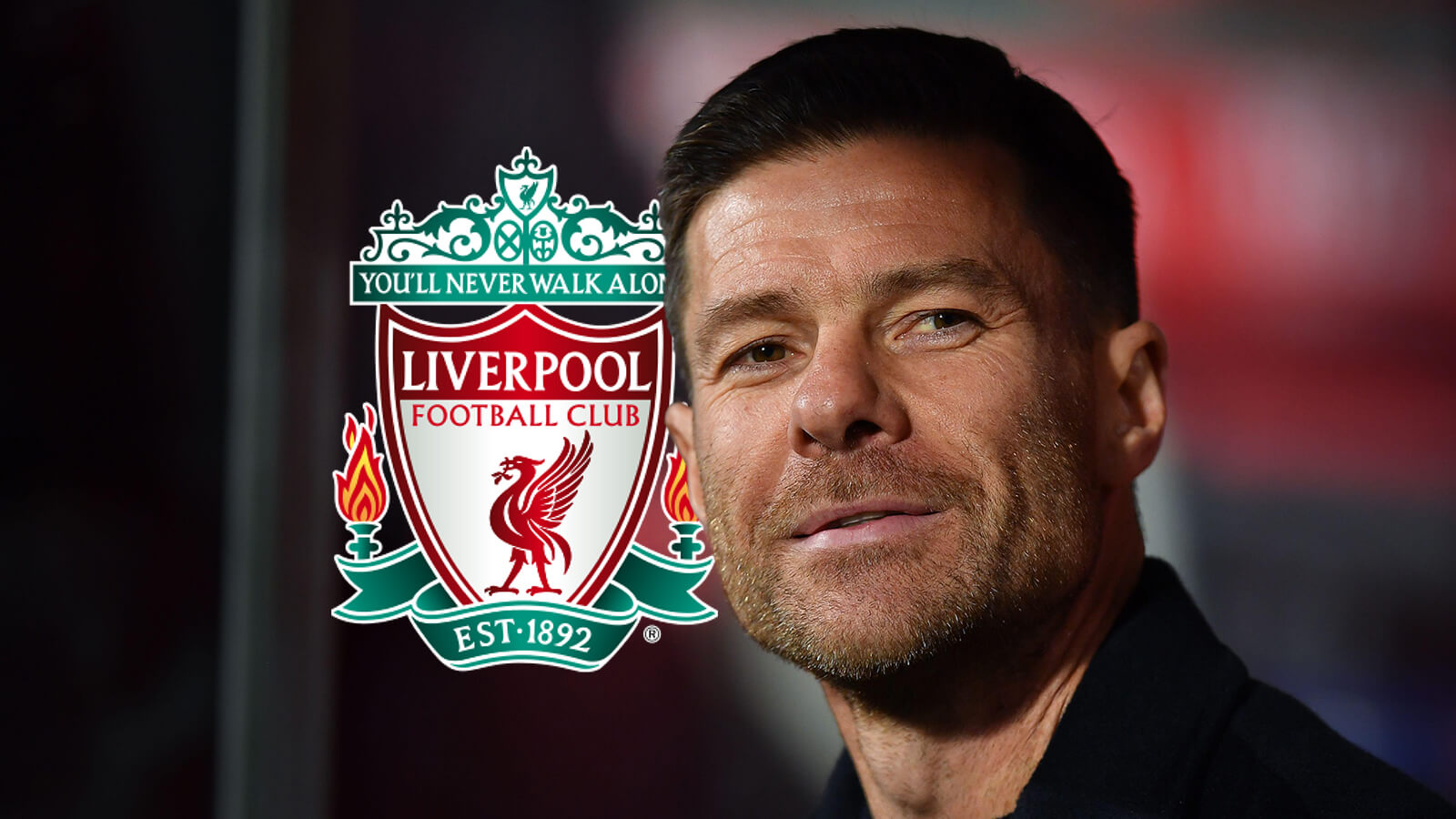
Arne Slot remains in charge at Liverpool for the time being, but contingency planning behind the scenes continues as Xabi Alonso is widely viewed as the leading alternative should circumstances change. According to the latest information, Slot’s position is currently secure, with no immediate move expected, yet senior figures at the club are understood to be keeping long-term options under consideration.
The situation reflects Liverpool’s measured approach to leadership transitions. While Slot continues his work, any potential separation would be handled with care. If a dismissal were to occur, it would be framed as a decision taken by “mutual consent,” a stance that underlines the club’s desire to act with dignity and respect toward its head coach rather than provoke unnecessary turbulence.
That approach is consistent with Liverpool’s broader culture, where managerial changes are rarely abrupt or publicly confrontational. Slot is regarded internally as a serious professional, and the club’s hierarchy is keen to protect stability while allowing space for long-term evaluation. There is no suggestion of urgency or crisis driving these conversations, only strategic awareness.
Within that context, Xabi Alonso’s name continues to carry significant weight. The former Liverpool midfielder is highly regarded across Europe for his coaching profile, tactical clarity, and calm leadership style. Should Liverpool decide to make a change at any point, Alonso is seen as the standout candidate capable of fitting the club’s philosophy and expectations.
Read Also: NYT Framing, Tinubu’s $9m, And Nigeria’s Silence—Part 6
Importantly, the interest in Alonso does not signal dissatisfaction with Slot’s current work. Rather, it highlights Liverpool’s habit of preparing well in advance. Modern elite clubs rarely wait for situations to escalate before considering alternatives, preferring instead to map scenarios quietly and responsibly.
By keeping Slot in place while acknowledging Alonso as a potential successor, Liverpool are balancing continuity with foresight. The emphasis remains on maintaining internal respect, avoiding public conflict, and ensuring that any future decision aligns with the club’s long-term identity.
As things stand, Slot continues to lead, backed by the club’s public support. Behind closed doors, however, Liverpool’s planning reflects a clear principle: decisions are made calmly, reputations are protected, and any transition—if it ever comes—is designed to look less like disruption and more like evolution.