
Indirect negotiations between Washington and Tehran resumed Friday in Oman, where Omani mediators hosted separate meetings with each delegation at a palace on the outskirts of Muscat. The talks are aimed at reviving dialogue over Iran’s nuclear programme, which has remained a source of tension and instability in the region following months of stalled diplomacy and intermittent military escalations.
The renewed US-Iran nuclear discussions are being framed as a preliminary step, focused on exploring whether sustained negotiations could resume rather than marking a full return to formal talks. Officials described the meetings as an early attempt to reduce tensions and prevent further confrontation, while leaving room for both sides to assess conditions for more structured negotiations.
Oman confirmed its role in facilitating the contacts, a diplomatic format that keeps Washington and Tehran apart while messages and proposals are relayed through intermediaries, according to reporting by the Associated Press. The Gulf state has historically played a quiet but critical role in easing tensions between the two countries, including in earlier rounds of indirect diplomacy aimed at maintaining nuclear stability and averting regional conflict.
Read Also: US–Iran Nuclear Talks Set for Oman After Trump Warning
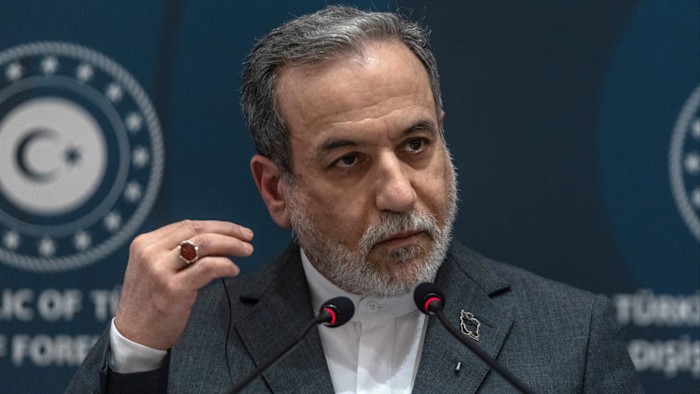
Iran’s Foreign Minister Abbas Araghchi described the opening exchanges as “a very good start,” while stressing that the discussions were limited to determining whether sustained talks could be resumed. His comments followed separate meetings with Omani officials, who coordinated the logistics and communications for both sides. “The focus is on exploring avenues for continued engagement,” Araghchi said, signalling cautious optimism without committing Tehran to any immediate concessions.
The U.S. delegation was led by Washington envoy Steve Witkoff and included Jared Kushner, President Donald Trump’s son-in-law and senior adviser. The American side did not provide an immediate public statement following the sessions, leaving observers to focus on the symbolic and strategic implications of the contacts.
Read Also: US Says It Shot Down Iranian Drone Near Aircraft Carrier
In a notable departure from previous rounds, U.S. Navy Admiral Brad Cooper, the head of U.S. Central Command, attended the Muscat meetings. Analysts say Cooper’s presence underscores that the military dimension remains central to U.S. calculations, sending a signal to Tehran that Washington retains the capacity to apply pressure if diplomatic efforts falter.
Read Also:
The talks come amid heightened tensions between the United States and Iran following U.S. airstrikes on Iranian nuclear facilities and Tehran’s domestic crackdown on protests. Previous rounds of diplomacy over Iran’s nuclear programme have repeatedly faltered, even as mediators attempted to build frameworks for constructive engagement. Friday’s meetings follow this pattern, with officials emphasising that the discussions are exploratory in nature.
Oman’s role as a mediator continues a long tradition of Gulf-based facilitation, allowing both Washington and Tehran to engage without direct contact. In prior rounds, separate meetings coordinated by Oman helped the sides communicate proposals, gauge intentions, and avoid misunderstandings that could escalate into broader conflict.