
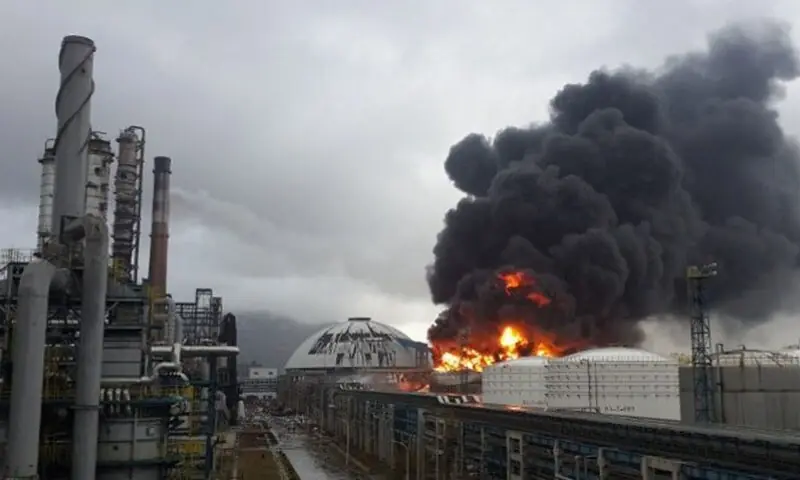
A deadly explosion at a biotech factory in northern China has claimed the lives of eight people, authorities confirmed on Sunday, intensifying concerns about industrial safety in the region. The blast occurred on Saturday morning at the Jiapeng Biotech Company, located in Shanyin County, Shanxi province, approximately 400 kilometers west of Beijing. Initial reports had cited seven fatalities and one missing person, but the death toll later rose as rescue teams completed recovery operations at the site.
According to Chinese state media, Xinhua, the company’s legal representative has been taken into custody as authorities investigate the cause of the explosion. Local officials have formed an investigative team tasked with determining what led to the catastrophic event, which has left the community and industry observers seeking answers. The exact circumstances of the blast remain under scrutiny, though preliminary observations noted dark yellow smoke continuing to rise from the site during clean-up efforts.
The incident underscores the ongoing risks associated with industrial operations in China, where lax safety regulations and rapid industrial growth have contributed to a pattern of frequent workplace accidents.
In recent weeks, the country has witnessed several similar tragedies, including a steel factory explosion in Inner Mongolia at the end of January that resulted in at least nine deaths. Such events have fueled debates over regulatory oversight and enforcement of safety standards across the industrial sector.
Authorities in Shanxi province emphasized that emergency crews were dispatched immediately following the explosion, carrying out rescue operations and evacuating nearby workers. Hospitals reportedly received several injured individuals, though official updates did not specify the condition of survivors. Local residents expressed shock at the blast, noting that industrial facilities in the area are often tightly clustered, raising concerns about potential risks to surrounding communities.
Industrial analysts note that China’s biotech and chemical sectors, while pivotal for economic growth and technological advancement, often face scrutiny over operational safety. High-pressure chemical reactions, inadequate protective equipment, and outdated facility management have been cited as contributing factors in past accidents.
The Shanxi explosion adds to a growing list of incidents that highlight the dangers workers face and the urgent need for stricter oversight.
Read Also: Singapore Driver Arrested in Fatal Chinatown Crash
The government has repeatedly pledged to tighten safety protocols following similar tragedies, but enforcement challenges persist across the country’s sprawling industrial landscape. While penalties are sometimes imposed after accidents, critics argue that systemic reforms are necessary to prevent recurring disasters.
The arrest of the company’s legal representative suggests that authorities may seek accountability and could signal a broader investigation into industry practices in the region.
As investigators continue to examine evidence from the Jiapeng site, questions remain about the exact chain of events leading to the explosion. Analysts suggest that findings could influence future safety regulations for biotech and chemical factories nationwide.
Read Also: Quebec Immigration Protests Spark Backlash Over PEQ Cut
The incident also raises concerns over emergency preparedness, including evacuation procedures, medical response, and containment measures, all of which are critical in mitigating the impact of industrial accidents.
The blast at Jiapeng Biotech highlights the human cost of rapid industrial expansion without adequate safeguards. Beyond the immediate tragedy of eight lives lost, the event serves as a stark reminder of the risks faced by factory workers and the responsibilities of corporate management to maintain safe working environments.
Local officials have pledged to provide updates as the investigation progresses, while national authorities monitor the situation closely. The explosion is expected to prompt renewed discussions about safety enforcement and the need for systemic reforms across China’s industrial sector to prevent future fatalities.