
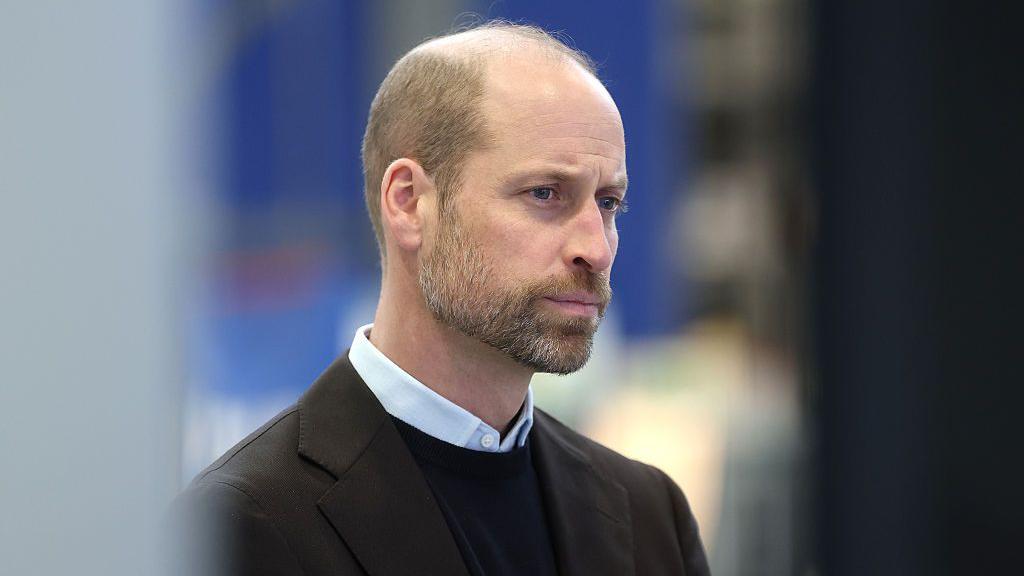
Prince William’s planned visit to Saudi Arabia represents far more than a ceremonial royal appearance. It sits at the intersection of diplomacy, politics, economics and human rights, turning what might seem like a routine overseas trip into a complex international balancing act. As Prince of Wales, his role increasingly involves supporting British foreign policy objectives, and this visit reflects the growing expectation that senior royals help strengthen strategic relationships abroad.
The prince’s willingness to travel when requested by the UK government highlights the evolving function of the monarchy in modern diplomacy. Unlike political leaders, he does not negotiate policy directly, yet his presence signals cooperation and goodwill. That symbolic role becomes especially delicate in a country where global scrutiny over governance and rights remains intense.
Saudi Arabia itself is undergoing a period of rapid transformation. While the kingdom remains an absolute monarchy with tight political controls, it has been pushing economic diversification and social reforms designed to reshape its international image. Entertainment festivals, sporting events and cultural initiatives are becoming more common, presenting a version of Saudi society that differs significantly from its past global reputation.
These changes form a central backdrop to William’s trip, which will reportedly focus on young people and energy transition. Both issues align with the prince’s long-standing interest in environmental sustainability and the future of global development. They also reflect Saudi Arabia’s efforts to reposition itself as a player in renewable energy and innovation, even as oil continues to dominate its economy.
Yet the visit carries undeniable controversy. Human rights organisations have long criticised the Saudi leadership over restrictions on political dissent, the criminalisation of same-sex relationships and limits on freedom of expression. For Prince William, navigating these concerns requires careful diplomacy. He must balance the expectations of British audiences, who often demand strong human rights advocacy, with the realities of maintaining a constructive relationship between two allied nations.
Meeting Crown Prince Mohammed bin Salman, widely known as MBS, is likely to be one of the most closely watched aspects of the visit. As the kingdom’s de facto leader, he is both a driving force behind economic reforms and a deeply polarising figure internationally. Any interaction between the two men will inevitably be analysed for signs of approval, criticism or strategic messaging.
The challenge lies in the subtle nature of royal diplomacy. Conversations that touch on sensitive topics often happen privately, guided by the advice of the British Foreign Office and embassy officials. Publicly, the focus tends to remain on shared goals such as education, climate action and economic partnership, while more difficult discussions occur behind closed doors.
Energy cooperation adds another layer of complexity. Britain is navigating its own path toward net-zero emissions, while Saudi Arabia seeks to expand its influence in emerging energy markets. Highlighting collaboration in this area allows both countries to frame the visit around future-focused progress rather than contentious political debates, even though critics argue that environmental commitments must be weighed against continued reliance on fossil fuels.
For the royal family, trips like this also shape perceptions of relevance in a rapidly changing world. Prince William has been positioning himself as a forward-thinking global figure, especially through environmental initiatives and youth engagement. Visiting a nation attempting to redefine itself economically offers an opportunity to reinforce that image, but it also risks drawing criticism from those who believe engagement legitimises controversial leadership.
Read Also: China Condemns Islamabad Explosion, Backs Pakistan Security
Public opinion in the UK remains divided on how the monarchy should approach countries with challenging human rights records. Some argue that dialogue and presence can encourage gradual reform, while others believe that high-profile visits send the wrong signal. This tension mirrors broader debates in international diplomacy about whether engagement or isolation leads to meaningful change.
At the same time, Saudi Arabia is eager to attract global investment and tourism as part of its long-term economic vision. Hosting major sporting competitions, film festivals and entertainment events has become part of that strategy. The presence of international figures like Prince William can help amplify those ambitions, which is why the visit is being watched closely both domestically and abroad.
The prince’s itinerary is expected to emphasise young people, reflecting a recognition that Saudi Arabia has a large youth population shaping its future direction. By focusing on education, innovation and environmental initiatives, the visit attempts to highlight areas of common ground that feel less politically charged while still addressing global challenges.
Read Also: Takaichi Seeks Avalanche Of Support In Japan’s Winter Poll
However, no amount of careful planning removes the underlying diplomatic sensitivity. Every handshake, speech and photo opportunity will be scrutinised for what it signals about Britain’s stance toward Saudi leadership. Even small gestures can carry significant symbolic meaning when viewed through the lens of international relations.
Ultimately, the trip illustrates how modern royal tours have become intertwined with geopolitical strategy. Prince William is not merely representing tradition or ceremony; he is stepping into a role that requires navigating competing expectations from governments, activists and the public. The success of the visit may depend less on any single announcement and more on whether it manages to project cooperation without ignoring the complex realities that surround it.
As the prince prepares for this journey, the stakes extend beyond a single visit. It reflects a broader shift in how the British monarchy engages with the world, moving toward issues like climate action, youth empowerment and global partnerships. Whether viewed as a bridge-building effort or a controversial engagement, the Saudi Arabia trip stands as a clear example of how royal diplomacy now operates within a maze of political, ethical and strategic considerations.