
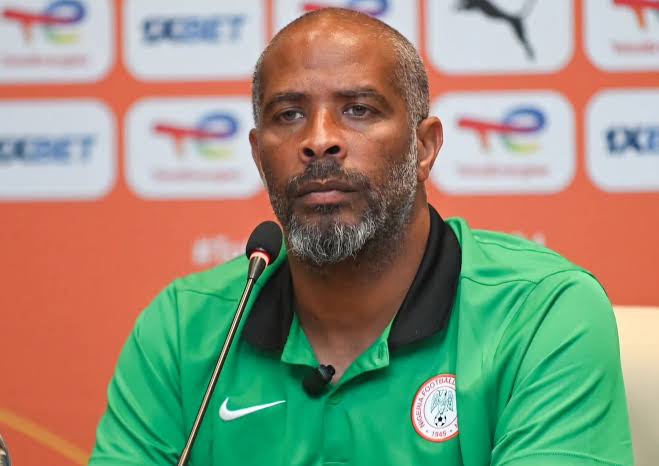
Éric Sékou-Chelle, the African football coach steadily rising through Europe’s competitive coaching ranks, has articulated a long-term ambition: to become the first African manager in the history of Real Madrid. “My dream is to become the first African coach to manage Real Madrid,” Sékou-Chelle told RMC Sport in a recent interview, underscoring his aspiration to reach the pinnacle of club football.
Sékou-Chelle, who hails from [insert country if confirmed], has built a coaching career through a series of progressively responsible roles across European football, earning recognition for his tactical approach, player development skills, and adaptability across different competitive environments. Though he has not yet held a managerial position in La Liga, his trajectory includes work with youth and professional teams in European leagues, contributing to his growing reputation as a coach capable of operating at the highest levels.
Real Madrid, one of the most storied clubs in global football, has historically relied on European or Latin American managers, including prominent figures such as Zinedine Zidane, Carlo Ancelotti, and José Mourinho. Sékou-Chelle’s expressed ambition highlights a broader conversation about diversity in elite European football management. Despite the increasing presence of African players in top leagues, managerial roles at elite clubs have remained largely underrepresented by African coaches.
Read Also: Central Mediterranean Boat Disaster: 53 Migrants Dead or Missing
The coach emphasized that achieving his goal would require sustained professional development and demonstrated success in high-level competitions. “I am focused on building my track record, gaining experience, and learning from every stage of my career,” he said, signaling a methodical approach to reaching the top tier of European club football. Analysts note that such pathways often require both performance in competitive leagues and visibility in international tournaments to attract attention from clubs like Real Madrid, which compete at the highest level in the UEFA Champions League.
Sékou-Chelle’s comments reflect a growing aspiration among African coaches to break into roles historically dominated by European managers. The continent has produced several high-profile coaches who have succeeded in African leagues or second-tier European clubs, but few have reached top positions in elite European football. Figures like Hervé Renard, Patrice Carteron, and Aliou Cissé have demonstrated the tactical competence and leadership that could translate to European club management, yet opportunities at clubs like Real Madrid remain scarce.
In addition to personal ambition, Sékou-Chelle’s statement aligns with a broader movement in professional football toward inclusivity and representation in coaching and executive positions. Governing bodies such as UEFA and FIFA have increasingly emphasized diversity initiatives, including mentoring programs, coaching licenses, and pathways designed to provide underrepresented groups with access to elite training and high-level experience. The European Club Association has also encouraged clubs to diversify their managerial recruitment processes, citing both social responsibility and the competitive advantage of varied tactical perspectives.
While Sékou-Chelle has not disclosed specific short-term plans to join La Liga, he has stressed the importance of incremental progress. His career strategy includes continuing to manage teams where he can showcase his tactical acumen, develop young talent, and secure tangible results that demonstrate readiness for top-tier European football. Success at mid-level European clubs or national teams could serve as a springboard for eventual consideration by a club of Real Madrid’s stature.
Real Madrid’s managerial appointments are closely scrutinized worldwide, reflecting the club’s global fanbase, high financial stakes, and historic successes, including 14 UEFA Champions League titles. Appointment to such a position would not only represent a personal achievement for Sékou-Chelle but also mark a milestone in the diversification of elite football leadership. Currently, few African coaches have managed in the top five European leagues (Premier League, La Liga, Serie A, Bundesliga, Ligue 1), and none have helmed a club with the global profile of Real Madrid.
Sékou-Chelle’s ambition has already garnered attention among sports analysts and commentators who track coaching trends in Europe. While some note that breaking into Real Madrid’s managerial ranks would require navigating intense competition from established European managers, others point to shifting dynamics in professional football. Clubs increasingly value innovative tactical approaches, familiarity with player development pathways, and leadership that can inspire both domestic and international squads. These factors could potentially expand opportunities for managers outside traditional networks.
In interviews, Sékou-Chelle emphasized the need for patience and sustained effort, acknowledging that the journey toward managing a club of Real Madrid’s scale is long and highly competitive. “It’s not about rushing into a position,” he said. “It’s about preparation, consistent results, and demonstrating that I can lead a team at the highest level.”
Read Also: Aquila II Interdicted After U.S. Pursuit in Indian Ocean
The statement also resonates with the broader narrative of African representation in global sports. Players from the continent have achieved significant success in European leagues, including Lionel Messi-era Barcelona and Real Madrid squads with African internationals, yet coaching leadership remains limited. Sékou-Chelle’s aspirations may inspire other African coaches and highlight the structural challenges and opportunities for those seeking to ascend to elite management positions.
Observers note that for Sékou-Chelle to achieve this goal, he would need both a strong professional record and strategic visibility within European football circles, including performance in domestic league competitions and continental tournaments. Success at intermediate stages could strengthen his candidacy and showcase the tactical and managerial skill required by clubs of Real Madrid’s calibre.
For now, Sékou-Chelle continues to focus on his current coaching engagements, building his experience, and preparing for opportunities that could eventually place him in consideration for one of football’s most prestigious managerial positions. His stated ambition represents both a personal milestone and a potential historic moment for African representation in elite European club management.