
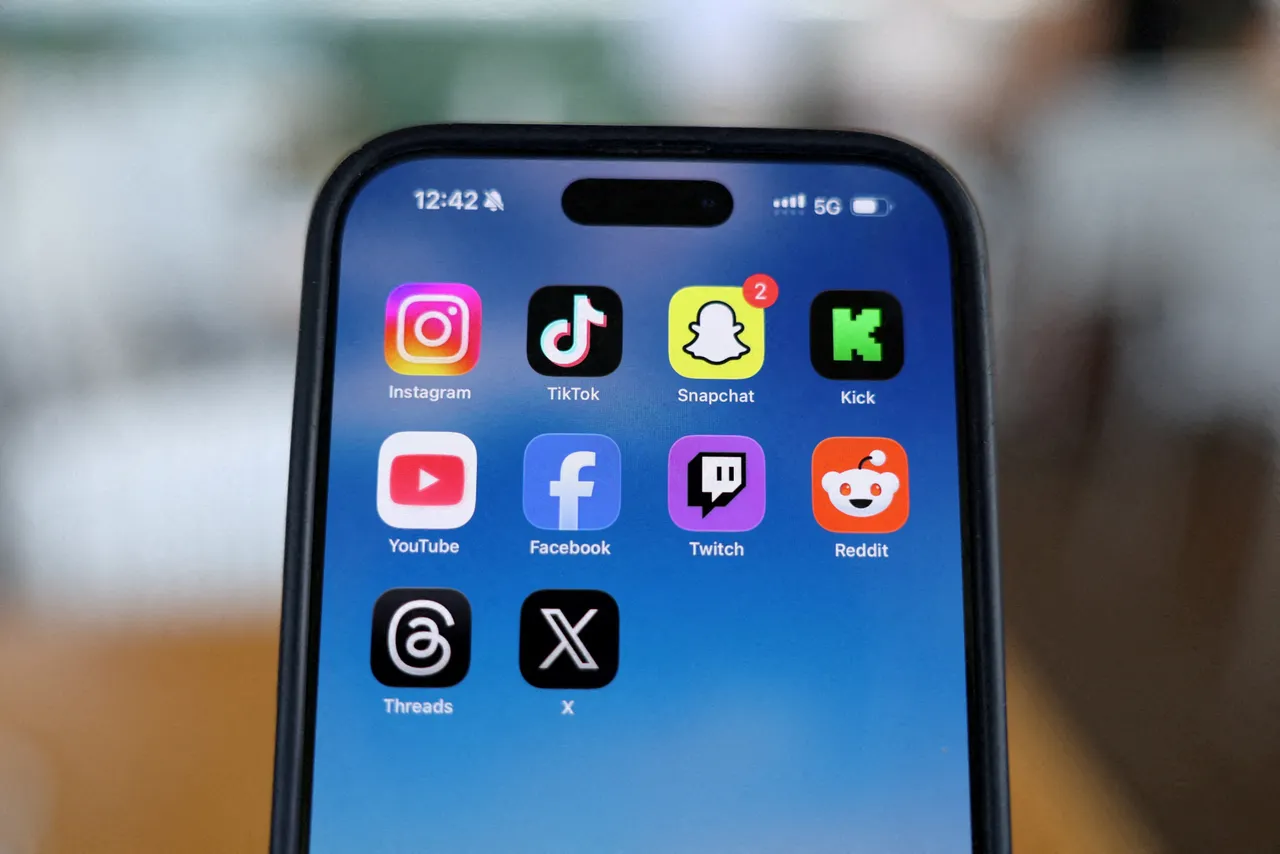
India will require social media platforms to remove unlawful online content within three hours of receiving an official notification, a sharp tightening of existing rules that deepens government oversight of digital speech in one of the world’s largest internet markets.
The change, announced by the Ministry of Electronics and Information Technology on Tuesday, amends India’s Information Technology Rules first introduced in 2021. Those rules had previously given companies up to 36 hours to comply with takedown orders issued by authorised government officers. The revised deadline will apply from Feb. 20, the ministry said.
The move places new operational demands on global technology companies such as Meta, Google and Elon Musk-owned X, which collectively serve hundreds of millions of users in India. It also reinforces New Delhi’s position as a leading proponent of strict state control over online content, a stance that has increasingly drawn scrutiny from digital rights groups and foreign governments.
Under the IT rules, the Indian government can direct intermediaries to remove content deemed illegal under any domestic law. These include statutes related to national security, public order, defamation, and obscenity. Failure to comply can expose companies to legal liability and, in some cases, criminal penalties for local executives.
Read Also: India Russian Oil Purchases Unclear After Trump Claim
Legal and industry experts said the shortened compliance window could prove difficult to meet in practice, particularly for companies operating at scale. Akash Karmakar, a partner at Indian law firm Panag & Babu who specialises in technology law, said a three-hour deadline leaves little scope for internal review or legal assessment. “It’s practically impossible for social media firms to remove content in three hours,” he said. “This assumes no application of mind or real-world ability to resist compliance.”
The 2021 IT rules have been a recurring source of tension between Prime Minister Narendra Modi’s government and global technology firms. The regulations require platforms to appoint local compliance officers, enable traceability of certain messages, and respond promptly to government takedown requests. Several provisions have been challenged in Indian courts, though most remain in force.
India has steadily expanded the number of officials authorised to issue removal orders, delegating powers to officers across multiple ministries and state governments. According to public disclosures by technology companies, the volume of such orders has risen sharply in recent years. Meta reported that it restricted more than 28,000 pieces of content in India in the first half of 2025 following government requests, making the country one of its largest sources of takedown demands globally.
Officials argue the measures are necessary to curb misinformation, hate speech and content that could threaten public order in a country of more than one billion internet users. The government has said the rules are applied within the framework of Indian law and subject to procedural safeguards, including written orders and defined grounds for removal.
Critics, however, say the system lacks transparency and meaningful oversight, raising the risk of overreach. Digital rights advocates have warned that the broad definition of unlawful content allows authorities to suppress legitimate expression, particularly during politically sensitive periods. India has frequently blocked accounts and posts linked to protests, elections and communal tensions.
Read Also: Aquila II Interdicted After U.S. Pursuit in Indian Ocean
The new three-hour requirement is likely to intensify those concerns. A senior social media executive, who spoke on condition of anonymity, said the amendment was introduced without prior consultation with the industry. “International standards provide a longer timeline,” the executive said, adding that companies typically need time to verify the authenticity and legal basis of orders before acting.
The government did not publicly address those criticisms in its announcement. The ministry said the amendment was intended to ensure “swift action” against harmful content, though it did not specify what categories of material would require such rapid removal or whether the deadline would apply uniformly to all orders.
Meta, which owns Facebook and Instagram, declined to comment on the revised rules. X and Google, which operates YouTube, did not immediately respond to requests for comment.
India’s approach mirrors a broader global push to hold technology platforms more accountable for content hosted on their services. The European Union’s Digital Services Act imposes strict timelines for addressing illegal content, while countries including Brazil and Australia have proposed or enacted measures to accelerate takedowns and increase penalties for non-compliance.
At the same time, India’s regulatory framework is notable for the breadth of executive authority it grants. Unlike some jurisdictions where courts play a central role in ordering removals, India’s IT rules allow designated government officials to issue directives directly to companies, with limited public disclosure.
Alongside the takedown deadline, the amended rules also adjust provisions related to artificial intelligence-generated content. An earlier draft proposal would have required platforms to label such material across 10 per cent of its surface area or duration. The final version softens that requirement, instead mandating that AI-generated content be “prominently labelled,” without prescribing a specific format or size.
The government did not explain the rationale for the change, but industry representatives had previously argued that rigid labelling specifications could be technically burdensome and visually intrusive.